

Chive at Home: Walls, Flowers, and the Occasional Opinion
Notes on living with ceramic wall flowers: where they go, how they hang, and which month's flower belongs to whom. Written by the studio that has designed them in Toronto since 2004.
Every post assumes you own a wall and one screw. Beyond that, no experience required.

April Birth Flower: Daisy and Sweet Pea
Daisy and sweet pea hold the April birth flower title, representing innocence, loyalty and gratitude. Sweet pea once travelled with French brides as a charm for luck. Daisies once carried a three-word promise between confidants, one worth knowing before gifting a bouquet.
December Birth Flower: Narcissus and Holly
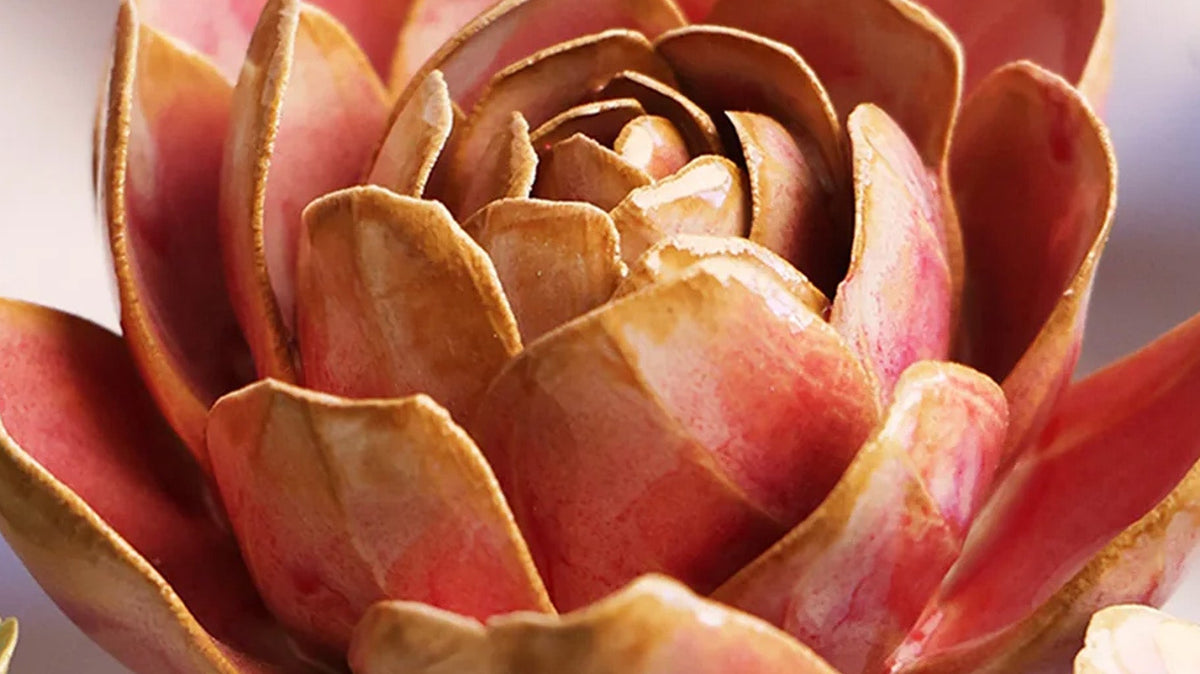
December has two birth flowers: narcissus, a winter-blooming bulb with a polarising scent, and holly, the armed evergreen of defence and domestic happiness. One forces into bloom; the other stays sharp through the darkest month. December's pair covers hope, renewal, and holding the fort.
September Birth Flower: Aster and Morning Glory
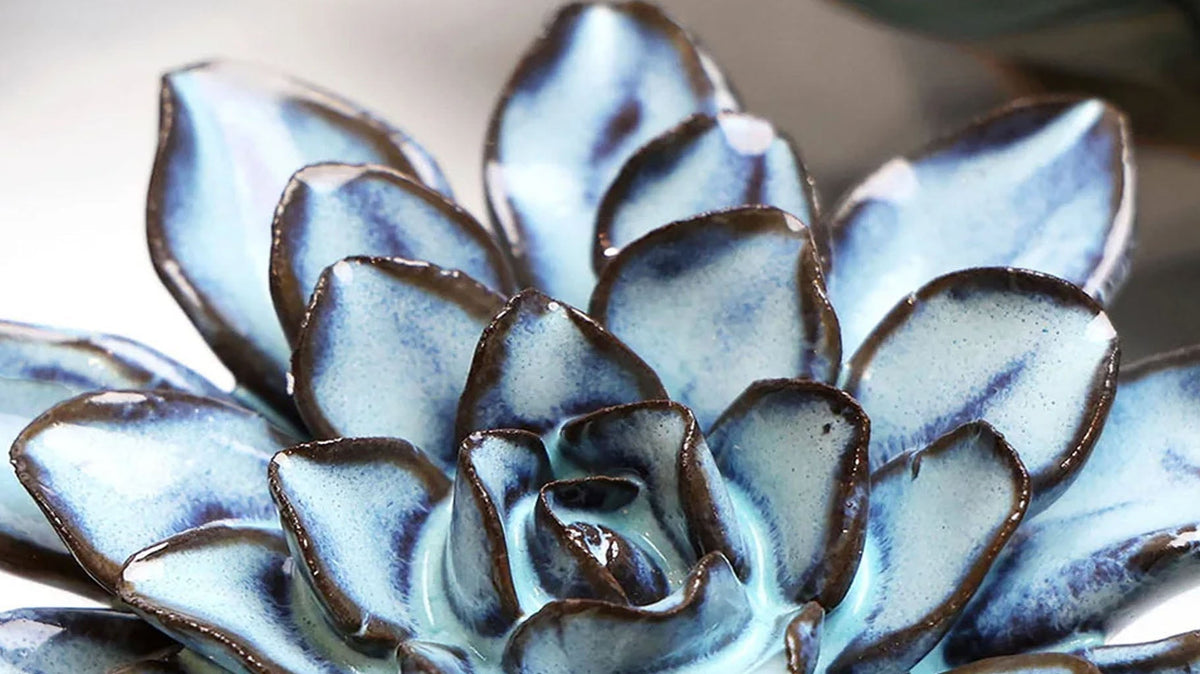
September has two birth flowers: the aster, standing for wisdom and patience, and the morning glory, standing for affection and the brevity of life. Chive Ceramics makes the aster in ceramic — hand-sculpted, permanent, gift-ready. The one that outlasts September is inside.
August Birth Flower: Gladiolus and Poppy
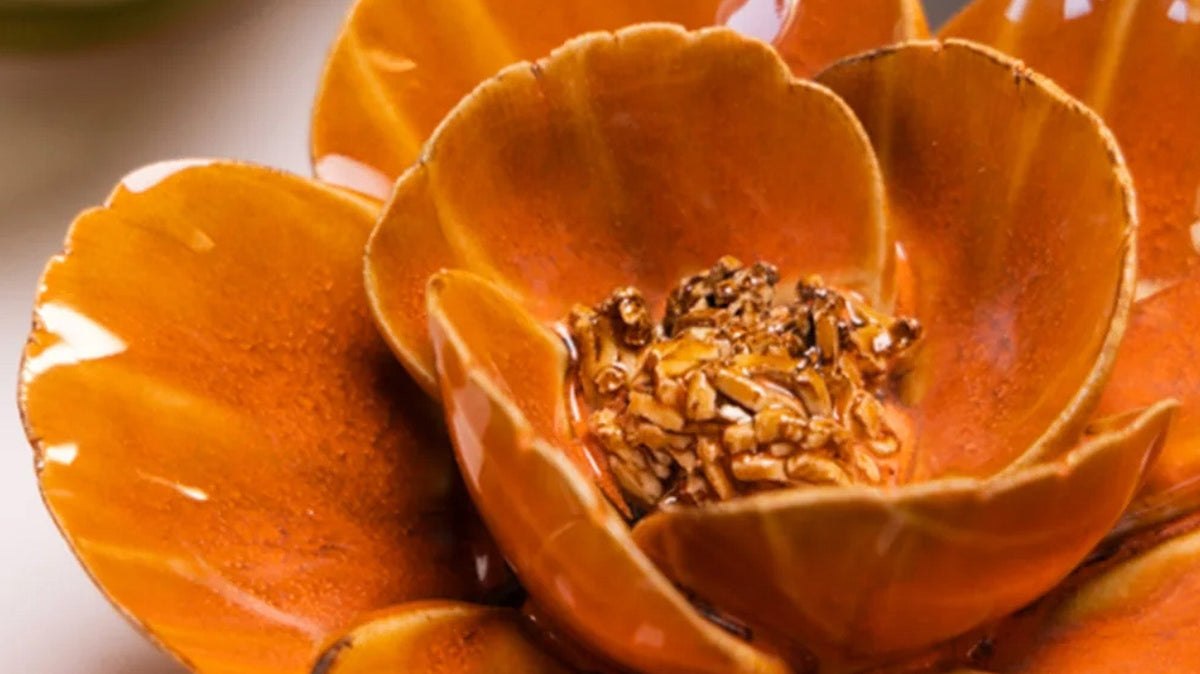
August has two birth flowers: the gladiolus and the poppy. The gladiolus stands for strength and moral integrity; the poppy for remembrance, imagination, and eternal sleep. What each one says about August is worth knowing.
July Birth Flower: Larkspur and Water Lily
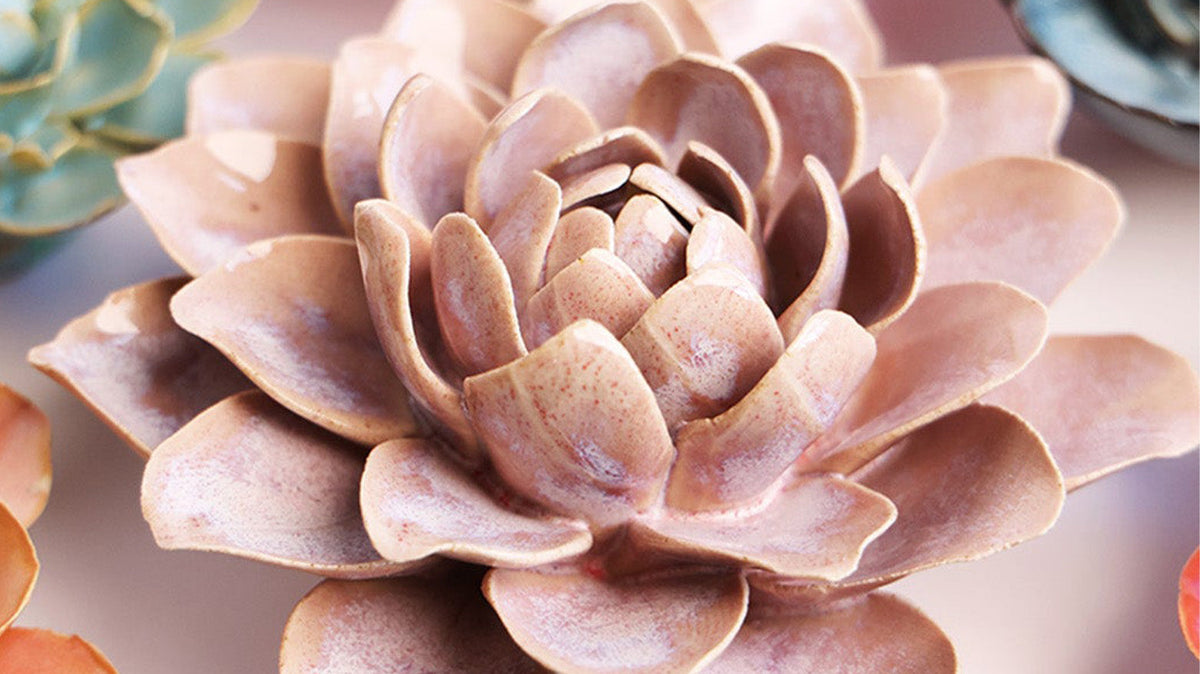
July has two birth flowers: larkspur for positivity and an open heart, water lily for purity, majesty, and rebirth. The larkspur towers and wilts; the water lily rises spotless out of pond mud every morning. Here is what July's pair is actually about.
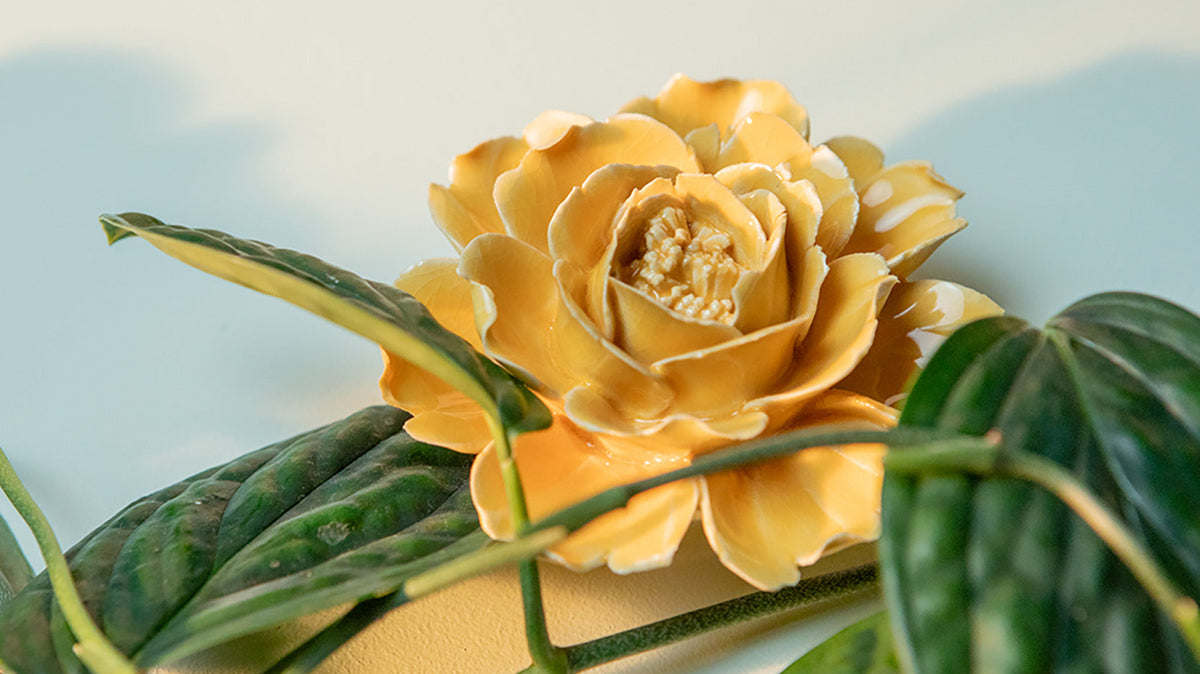
June Birth Flower: Rose and Honeysuckle
June has two birth flowers: the rose, standing for love, passion, and devotion, and the honeysuckle, for happiness and devoted affection. Chive makes the June rose in ceramic — over six styles and counting, each formed by hand. The version that's still on the wall at the next birthday.
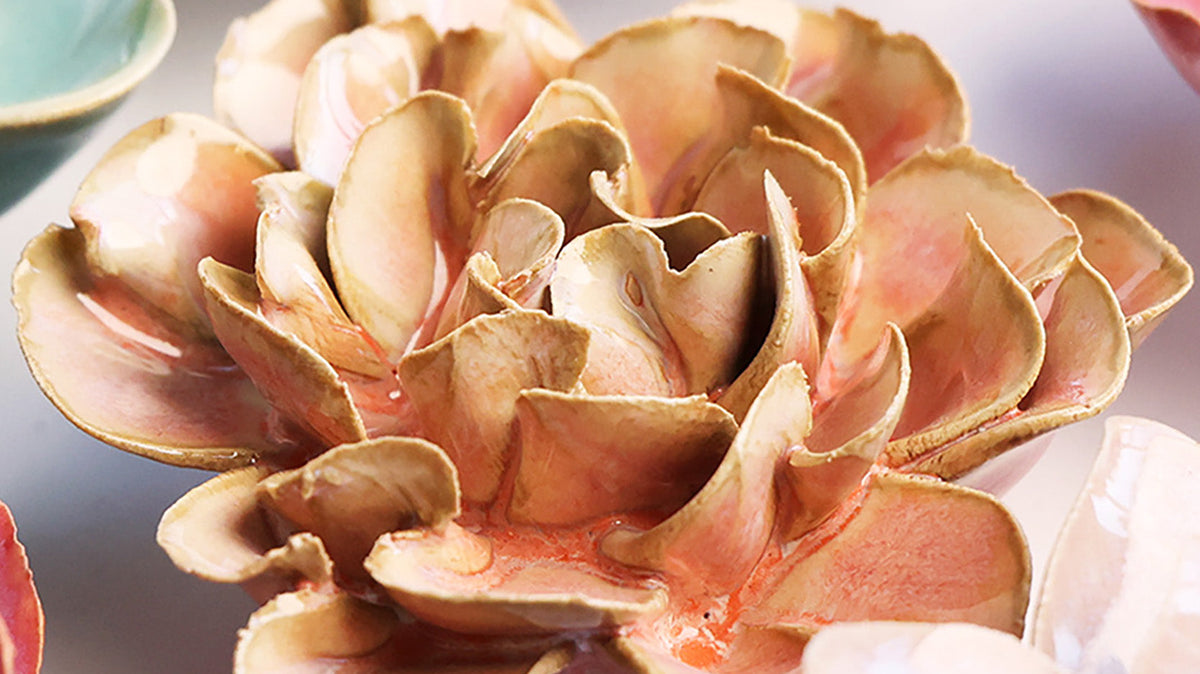
May Birth Flower: Lily of the Valley and Hawthorn
May has two birth flowers: lily of the valley, for sweetness and the return of happiness, and hawthorn, a longstanding symbol of hope and protection. Soft and resilient, delicate and enduring — here is what each one means.
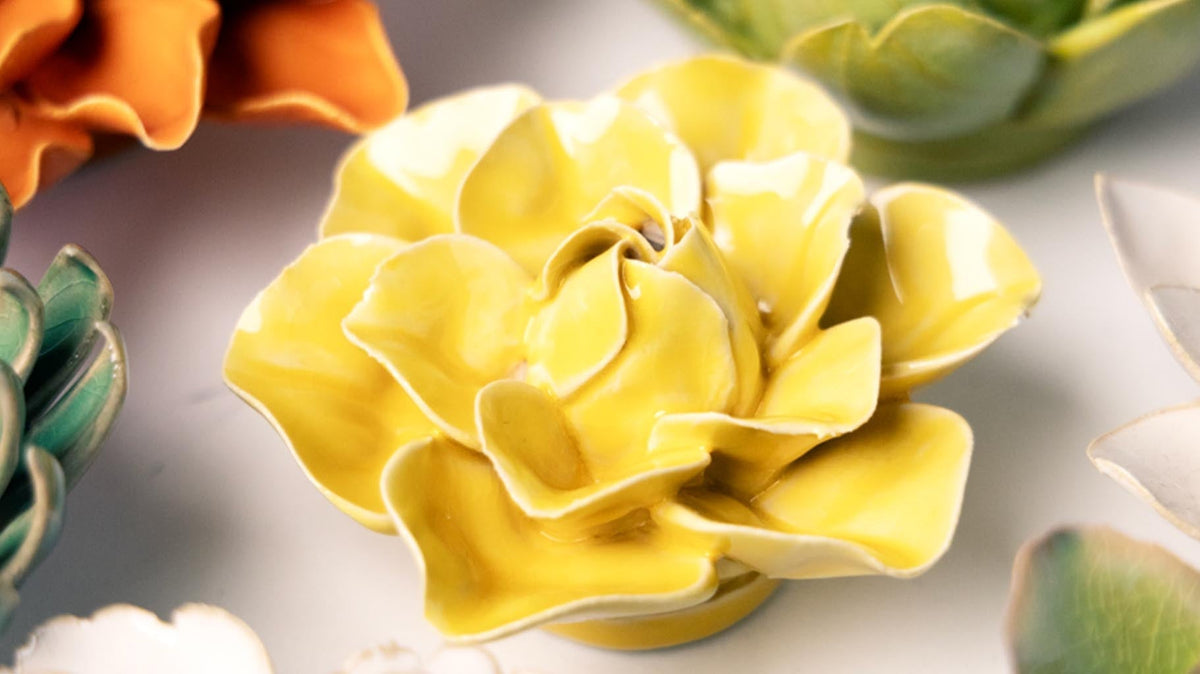
March Birth Flower: The Daffodil
The March birth flower is the daffodil, genus Narcissus — one of the earliest flowers of spring, standing for renewal, hope, and resilience. No other month's flower makes the case this simply. The most findable flower on the calendar has earned that spot.
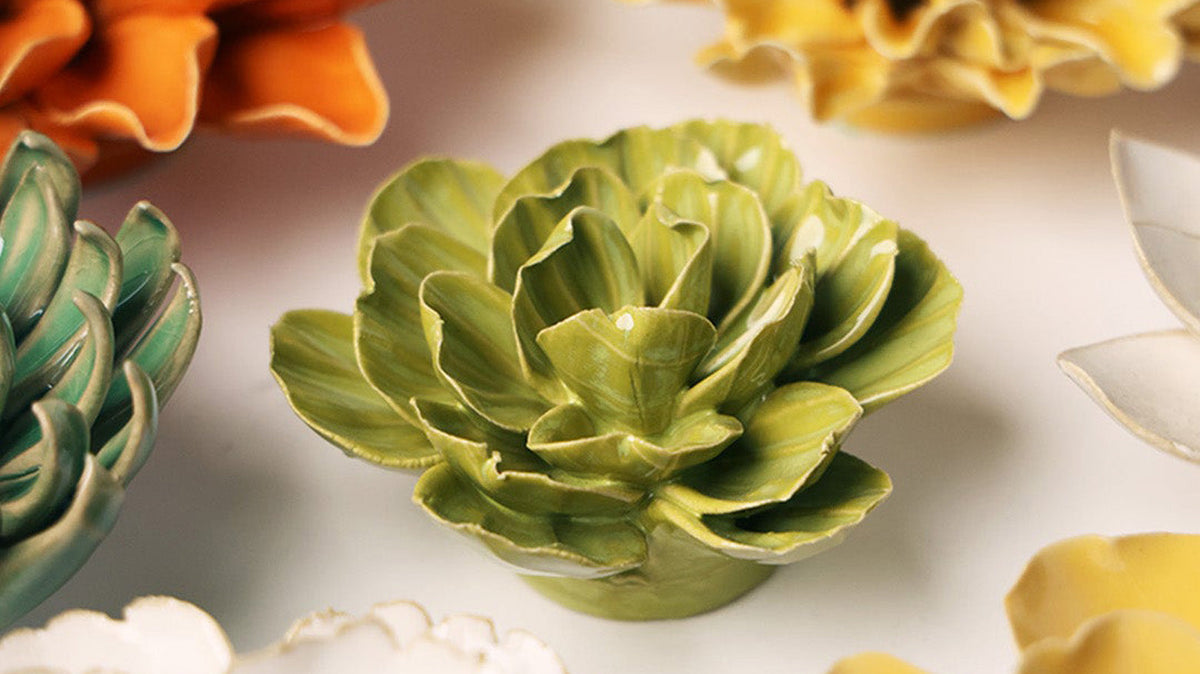
February Birth Flower: Violet and Primrose
Two birth flowers belong to February: the violet, a symbol of modesty and faithfulness, and the primrose, a symbol of young love. Most people only know one of them exists — here's what both mean, where they came from, and why the less famous one is the one worth knowing.
January Birth Flower: Carnation and Snowdrop
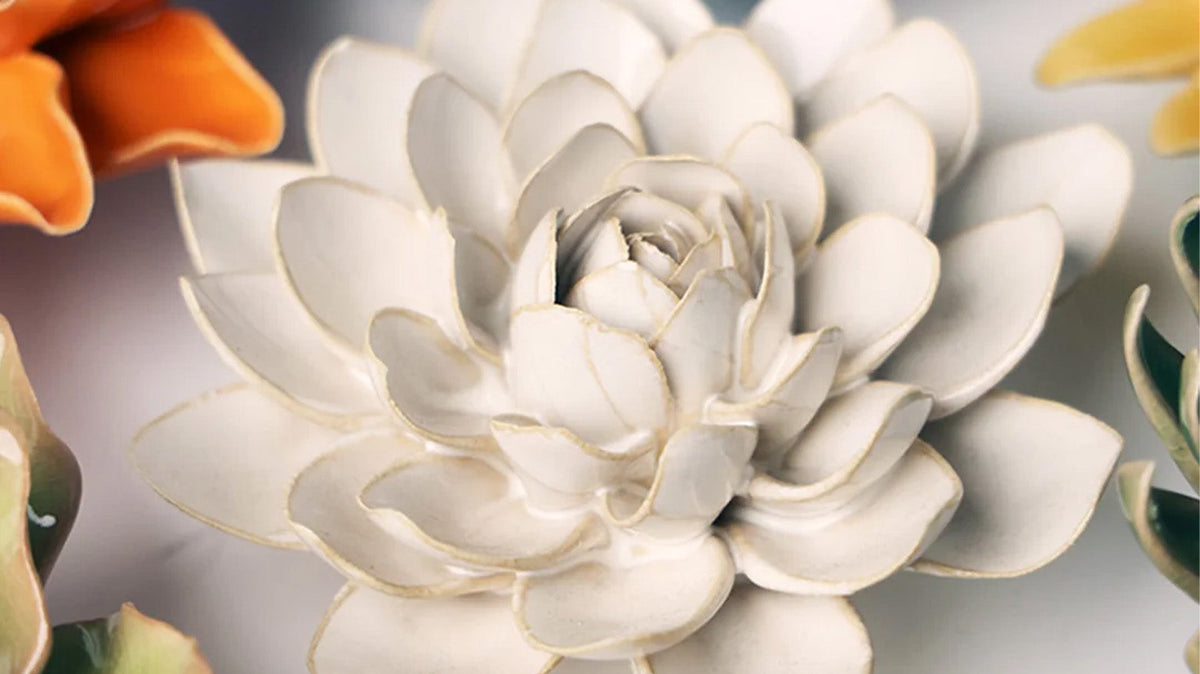
January has two birth flowers: the carnation and the snowdrop. The snowdrop blooms first in the calendar year — the signal that the difficult part is finishing. Find out the personality profile for January people and their pairings.
Birth Flowers by Month: The Complete Guide
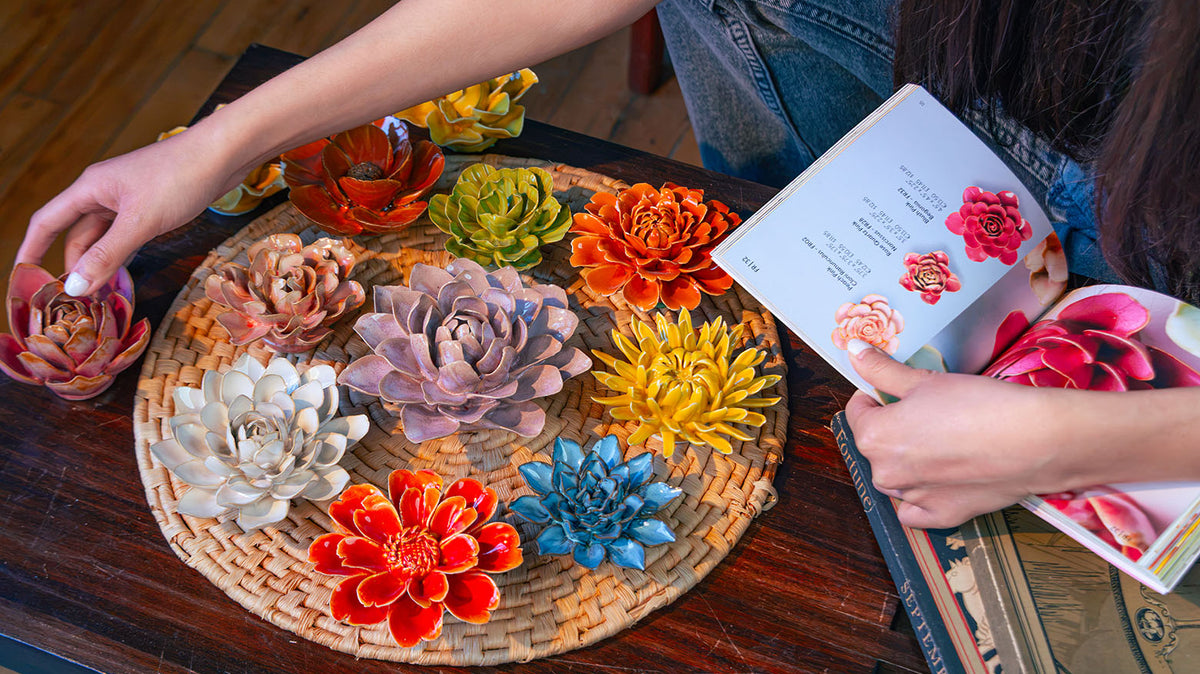
Birth flowers by month — all 12, what they mean, and why the Romans decided this for you centuries ago. Chive makes all 12 in ceramic by hand since 2004. Every month is listed here with meanings. The one assigned to yours has been waiting.
November Birth Flower: The Chrysanthemum
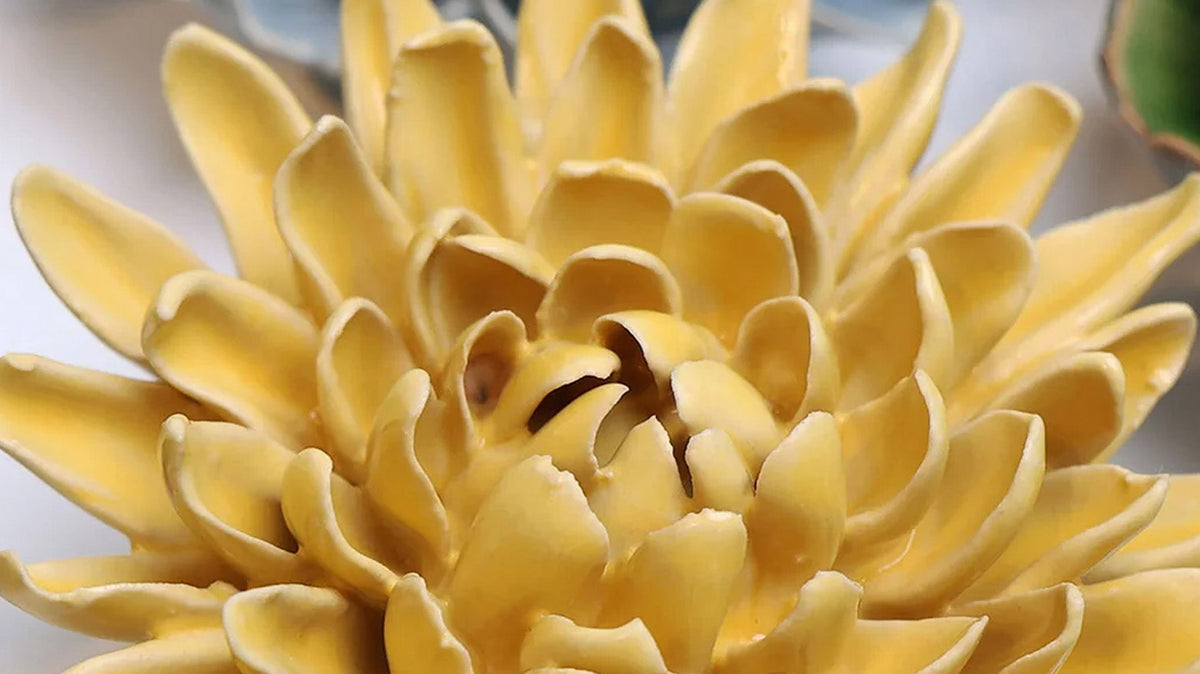
The chrysanthemum is November's birth flower — revered as the Emperor's emblem in Japan, reserved for gravesides across Catholic Europe, and made in fired porcelain by Chive Ceramics. The ceramic version endures long after the season does.