

Ceramic Vases — Pooley and Utopia

Ceramic Vases — Pooley and Utopia

The vase stands its ground. The stems appreciate the commitment.
Two vases: Pooley & Utopia · Hand-glazed, watertight · Handwash only · Ships from Rotterdam in 2–5 days, no EU duties · Designed in Toronto, made by hand · Prices include VAT

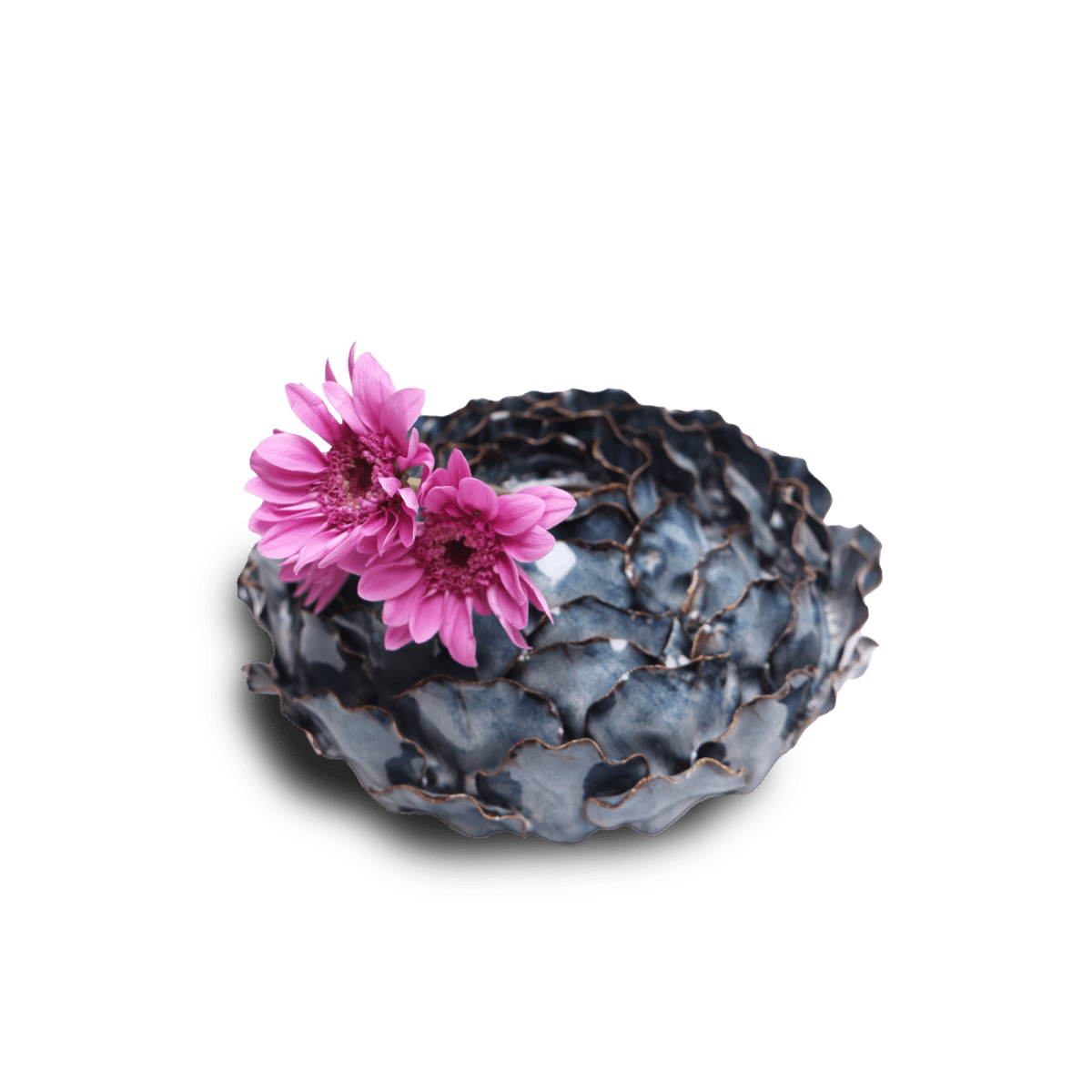
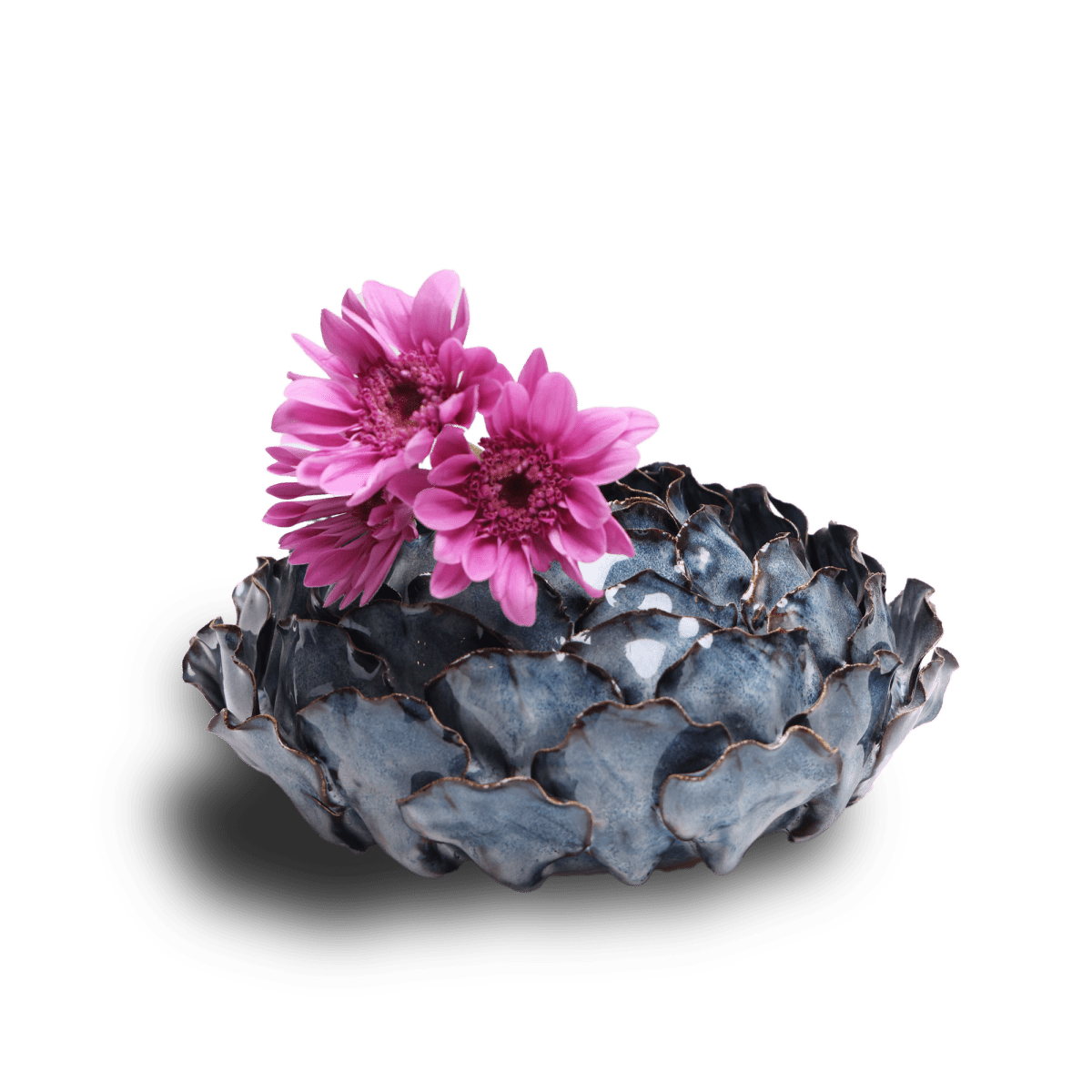
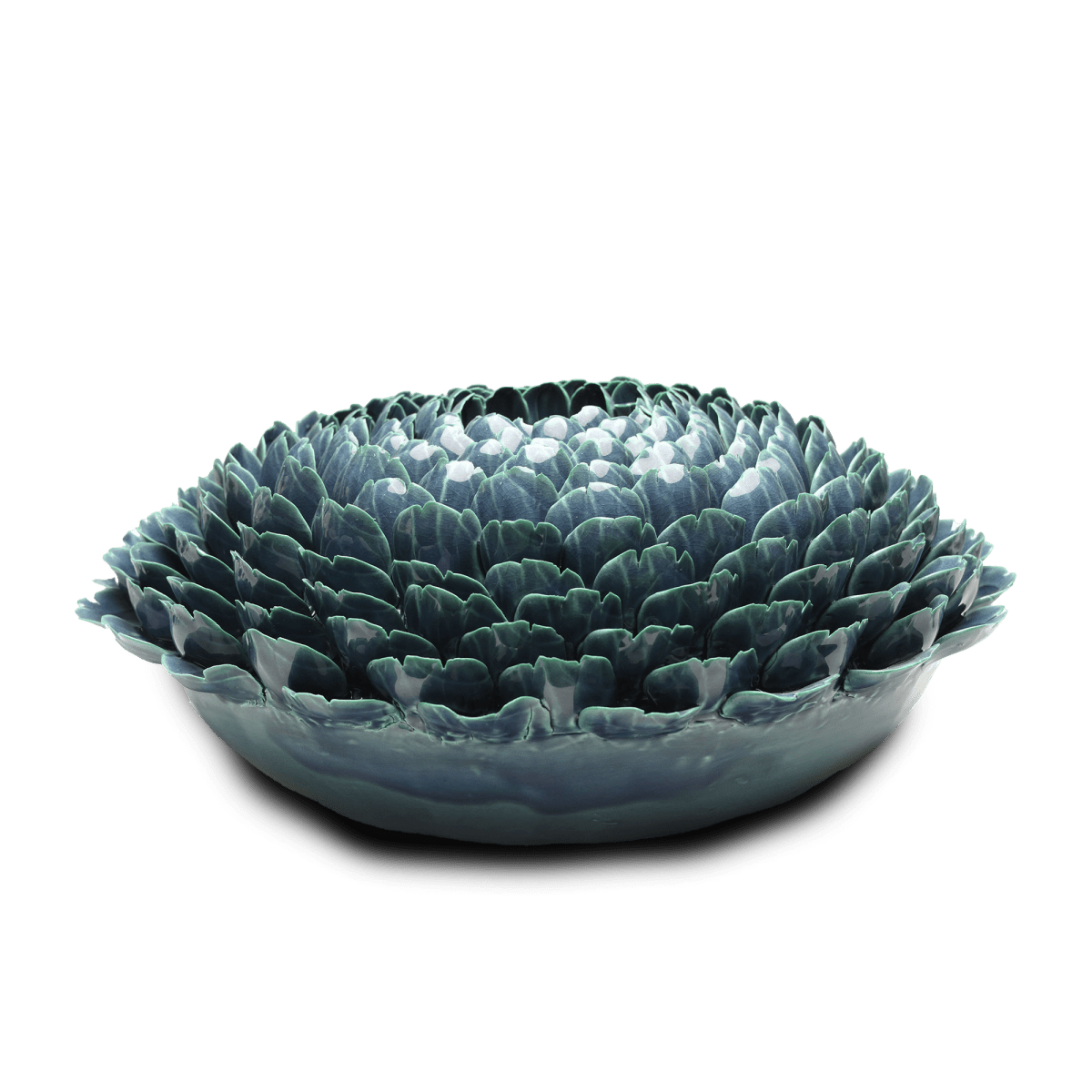
A ceramic vase does two jobs glass can't: its weight anchors tall or top-heavy stems, and its opaque walls block the light that feeds algae in standing water. Chive makes two — the Pooley bud vase in more than twenty glazes, and Utopia, a ceramic flower vase in blue, green and white — both hand-glazed, watertight, and made by hand. 

Filters
Sort by
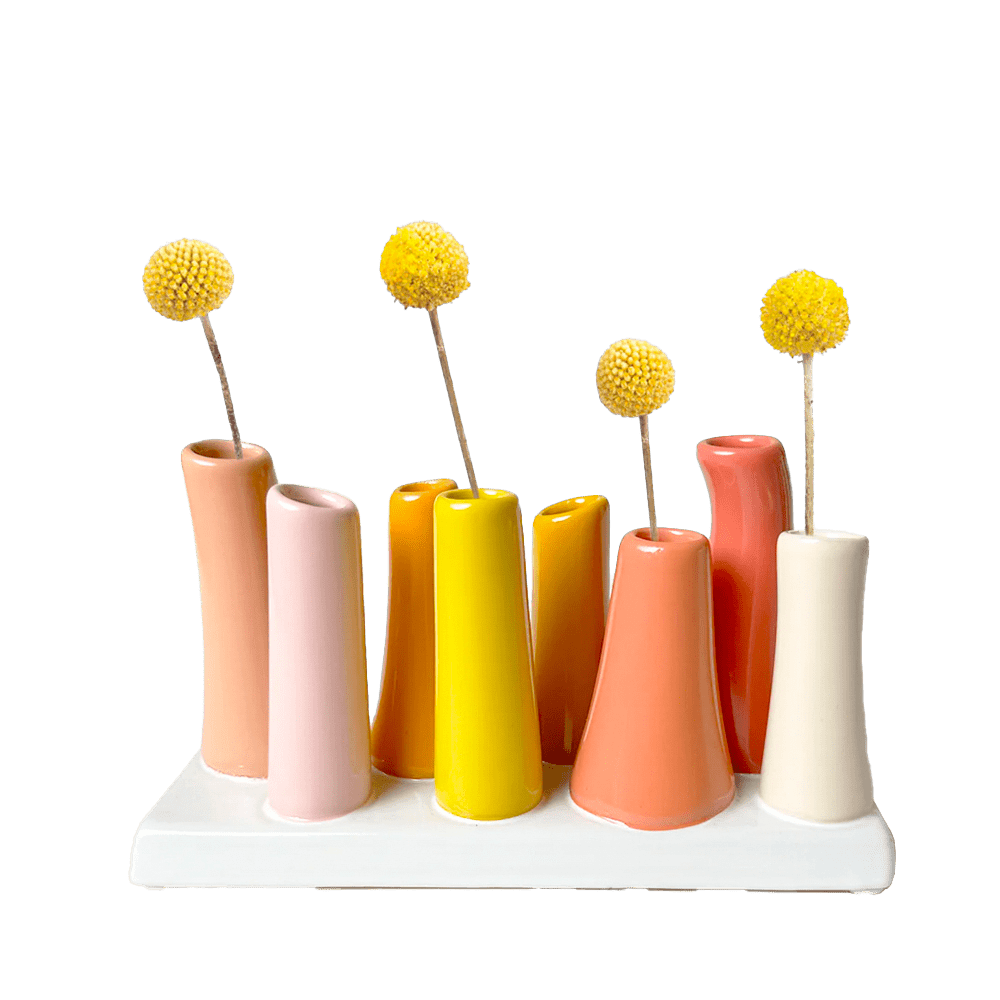
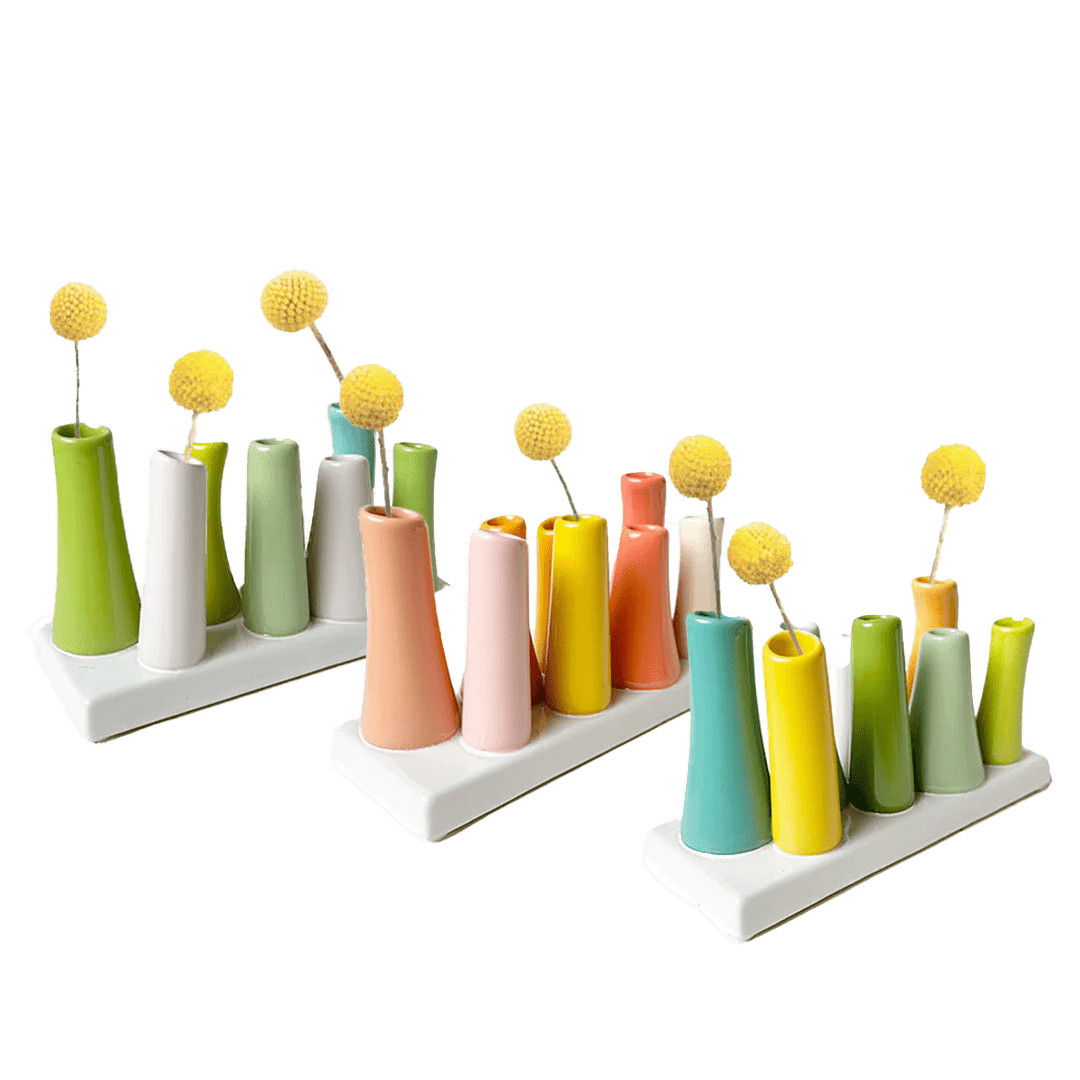
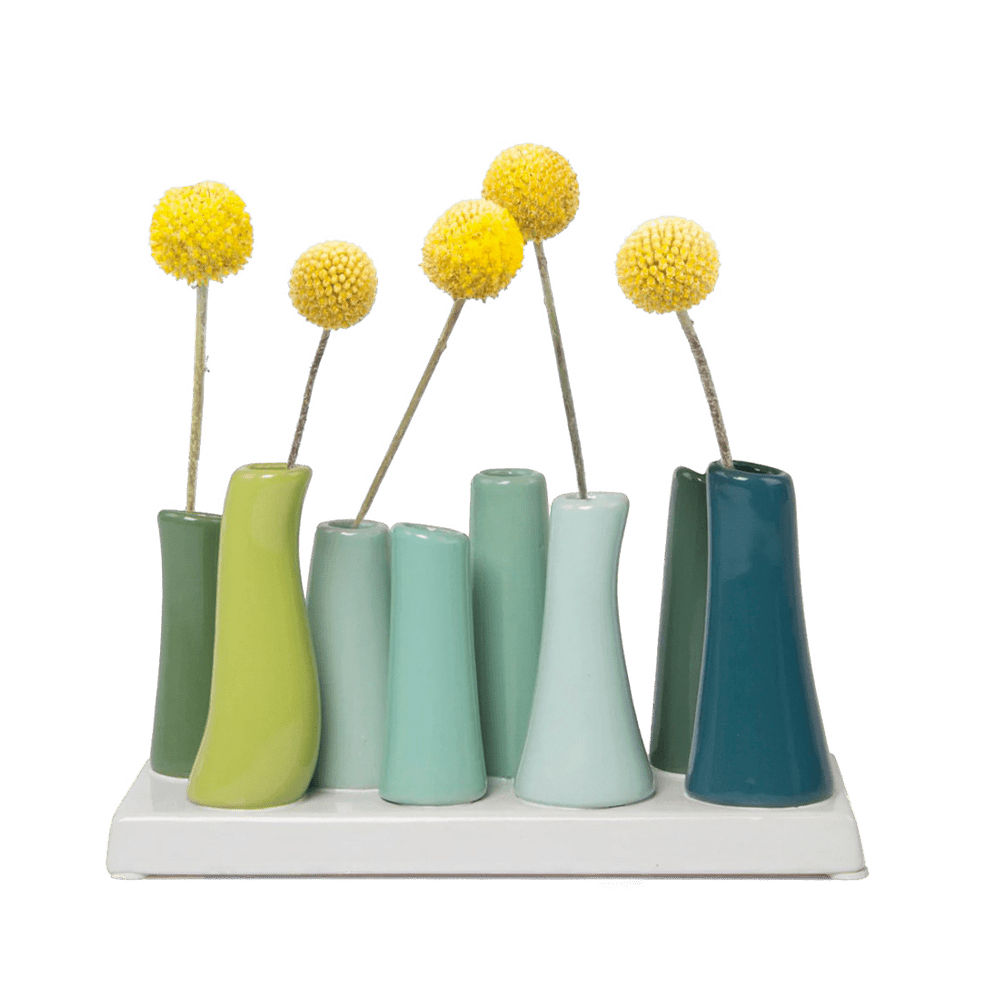
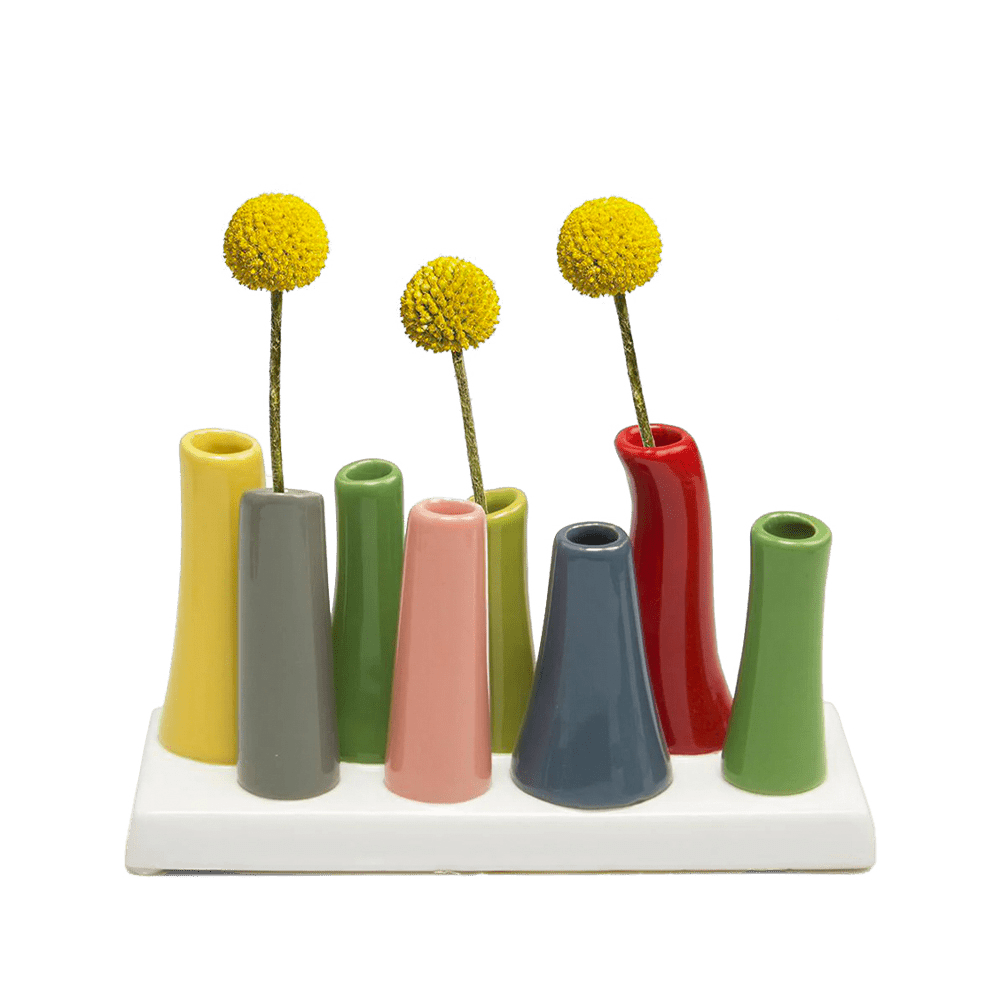
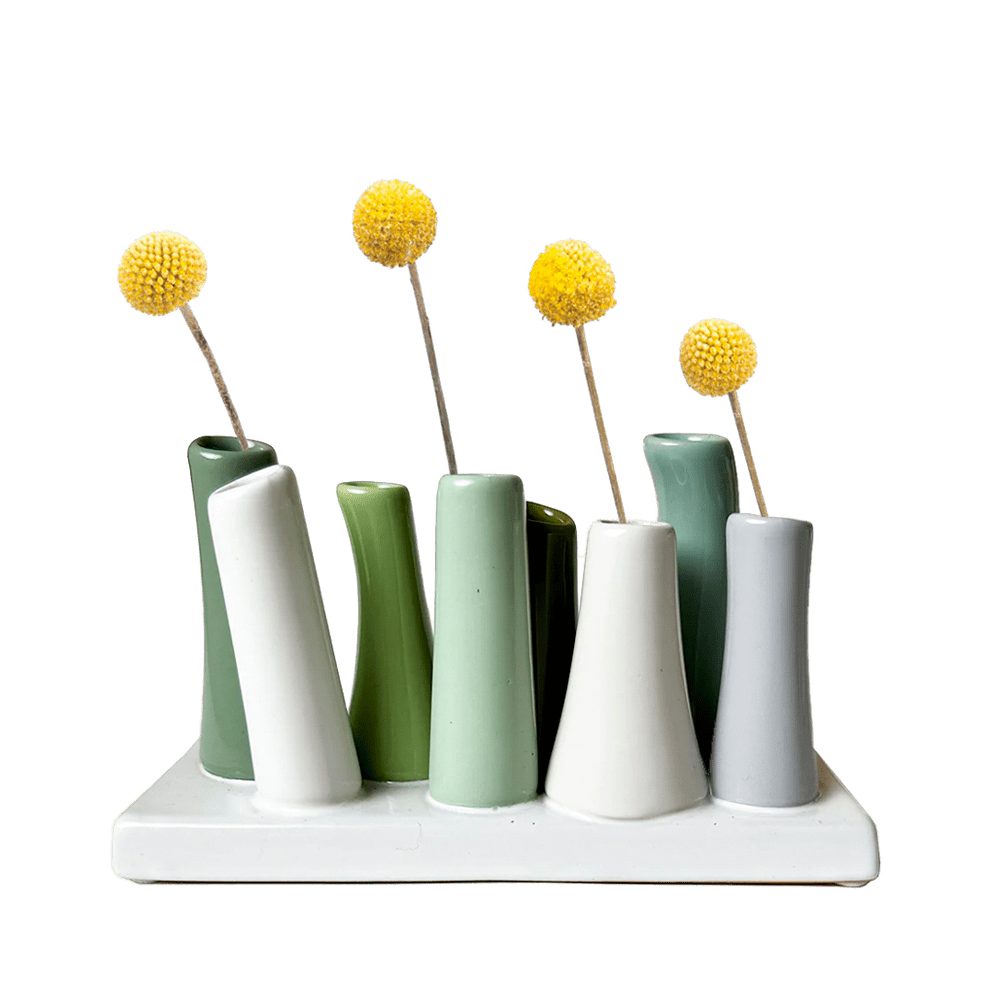
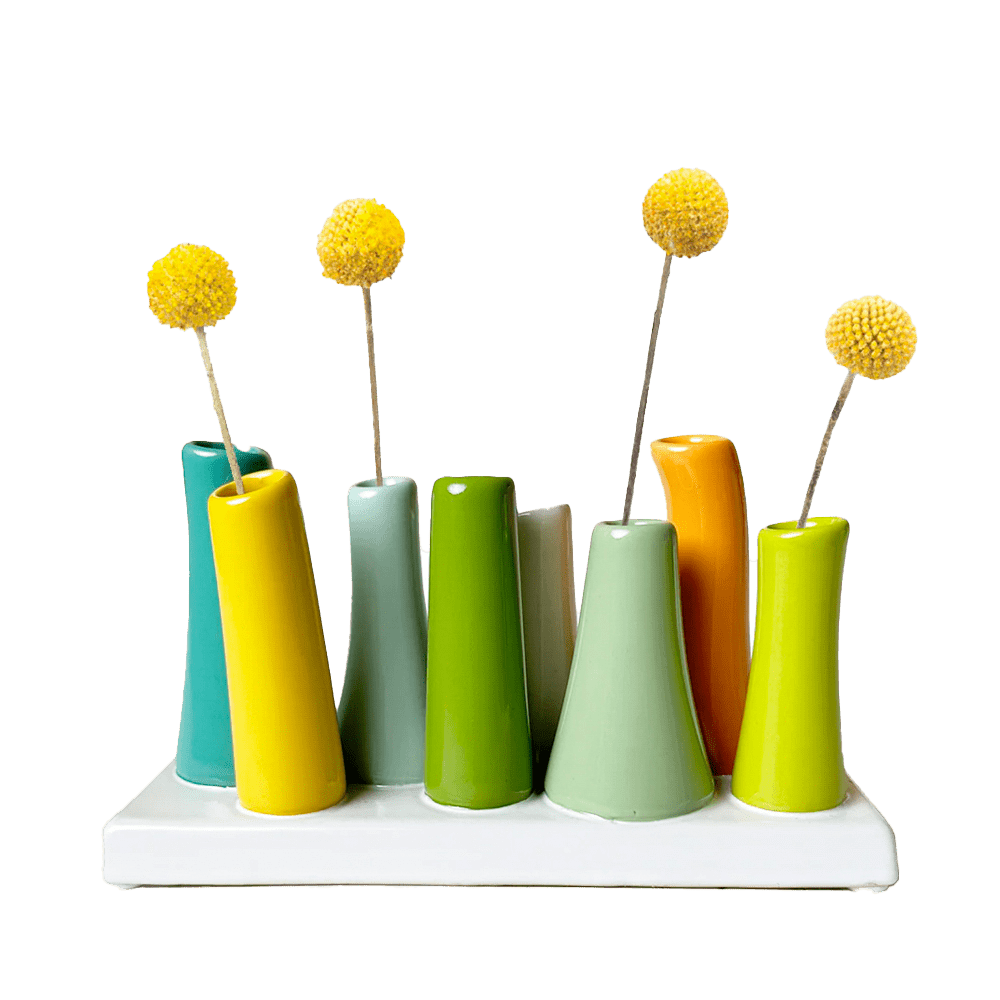
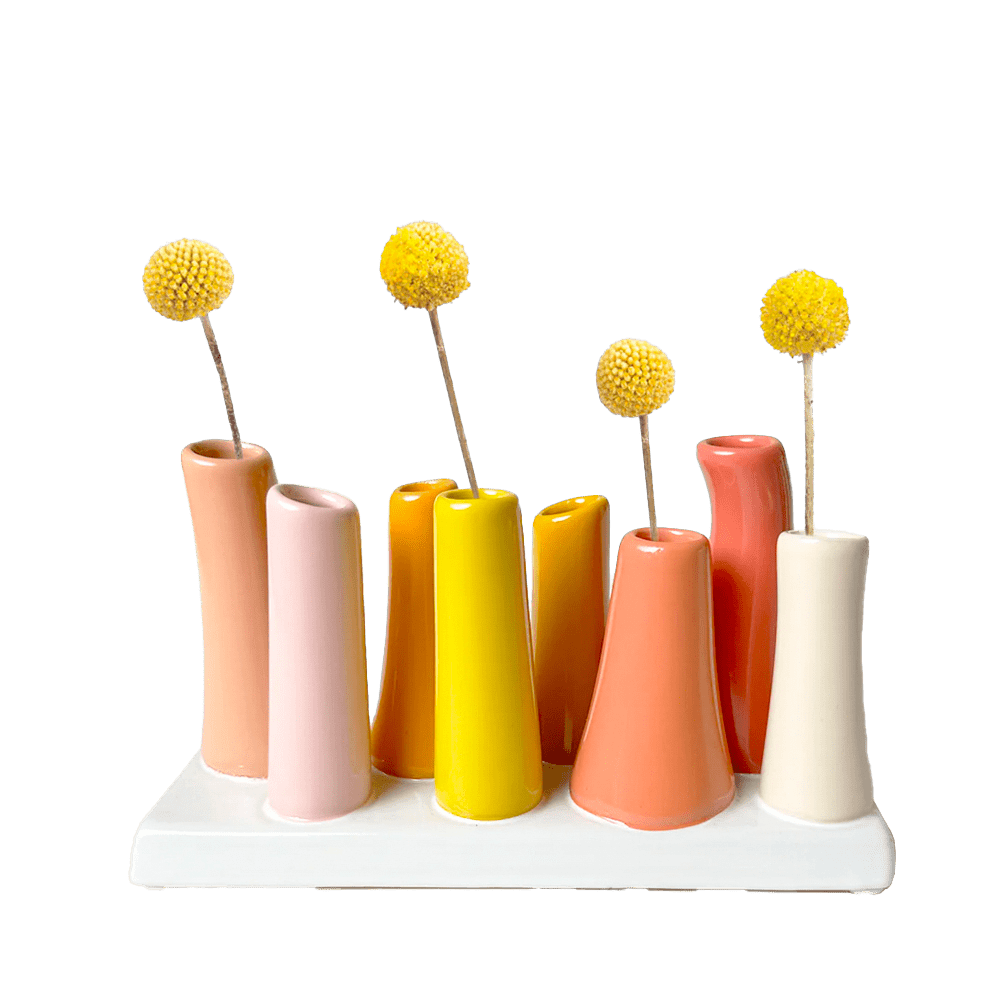
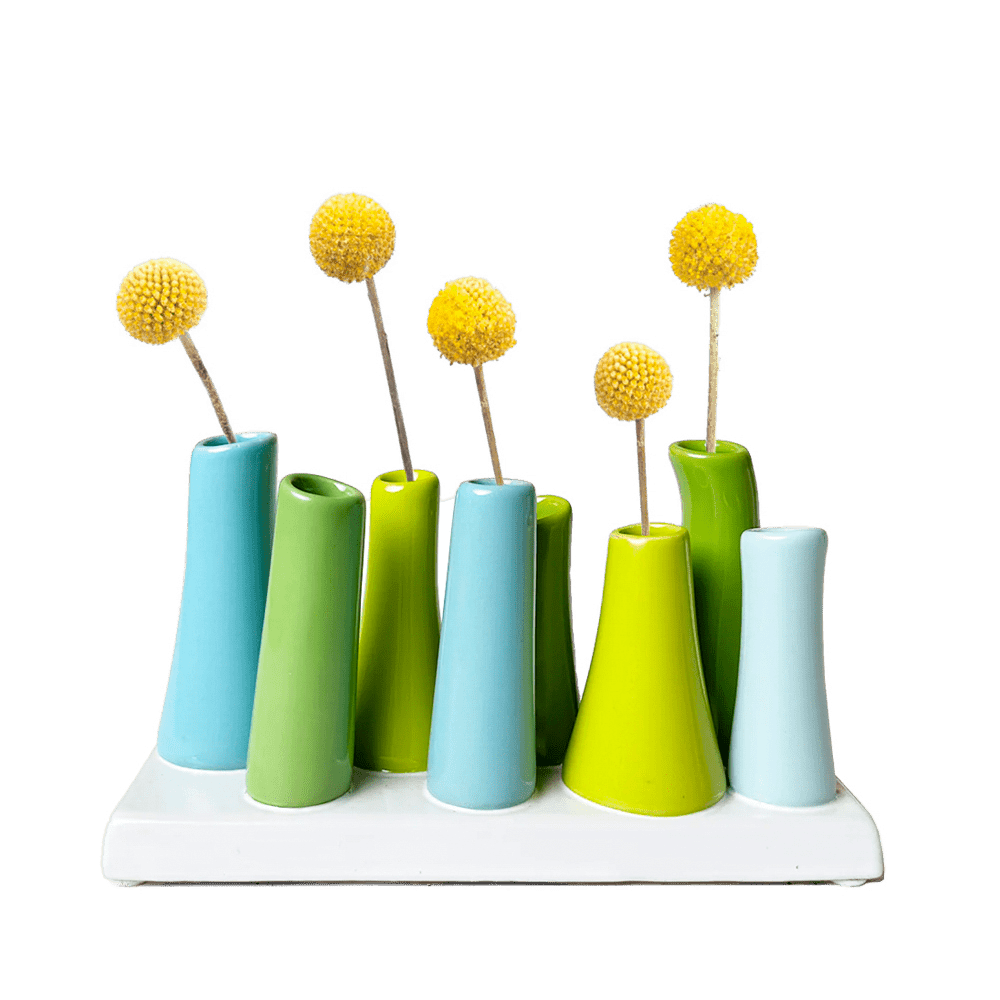
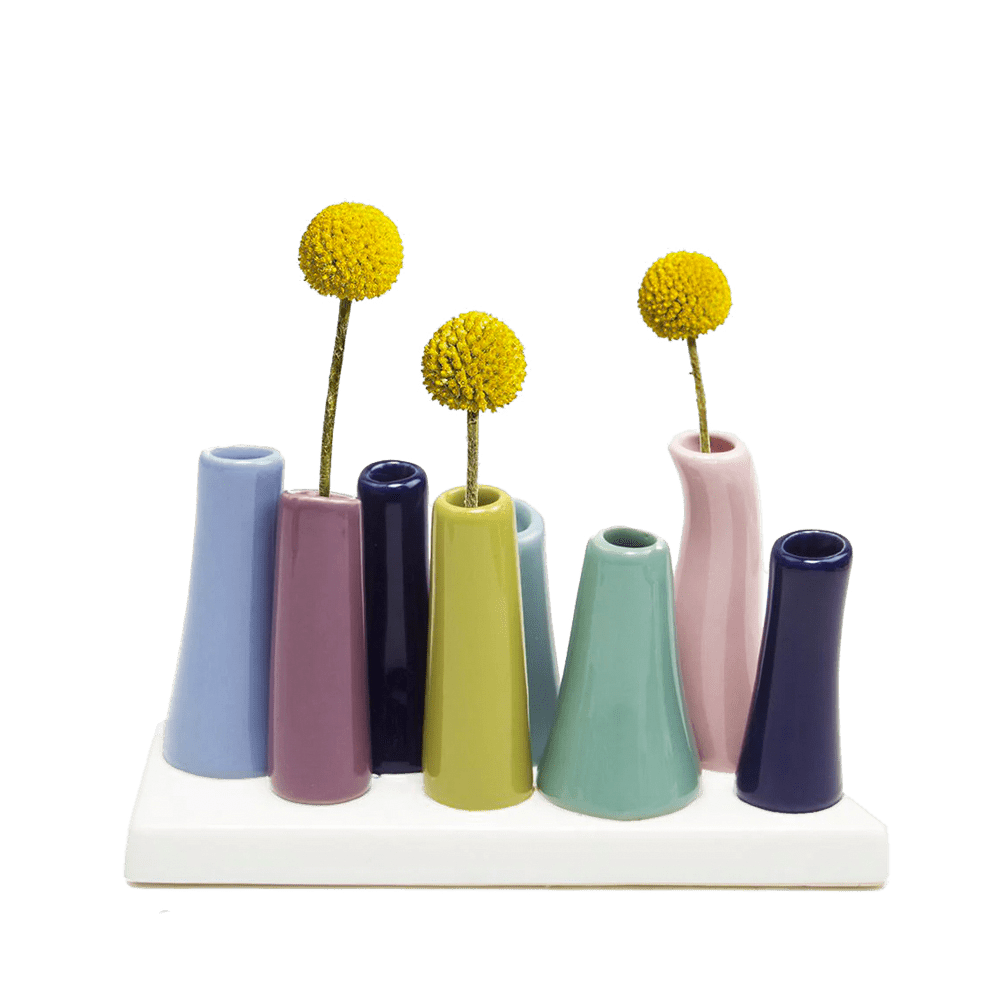
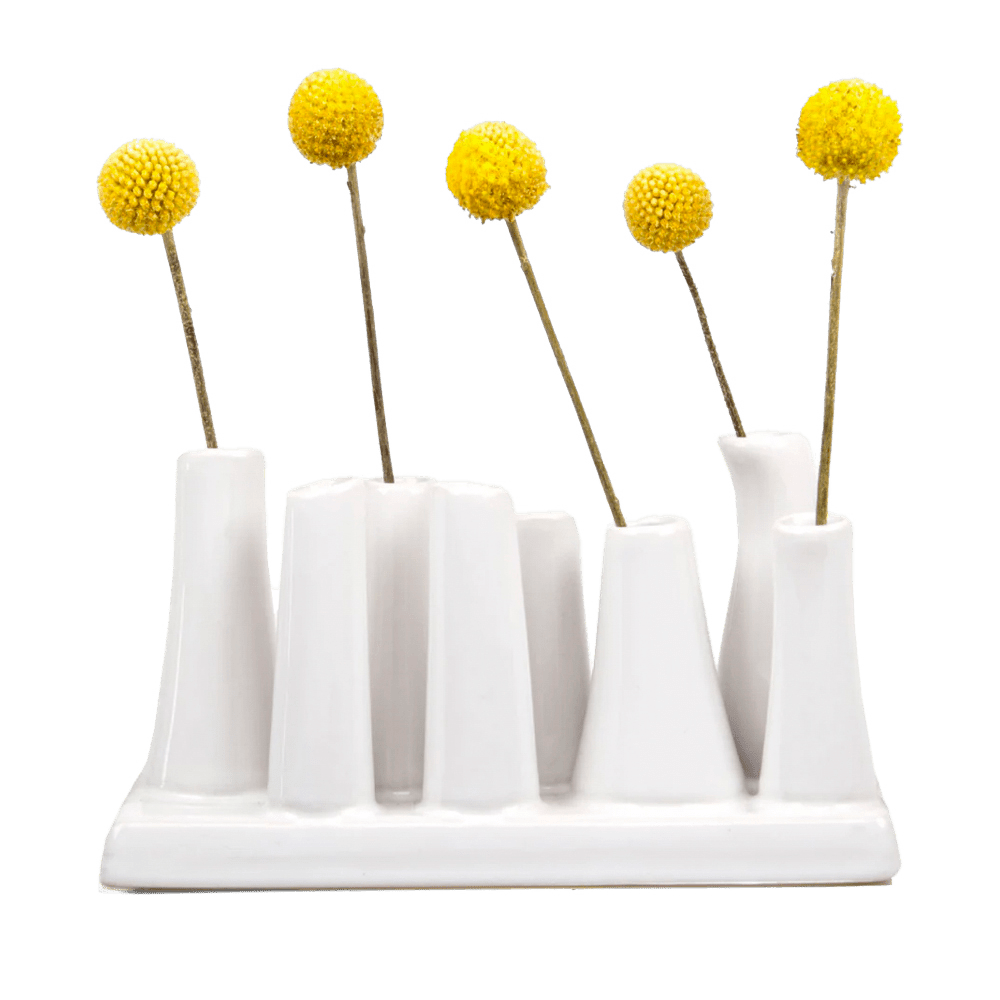
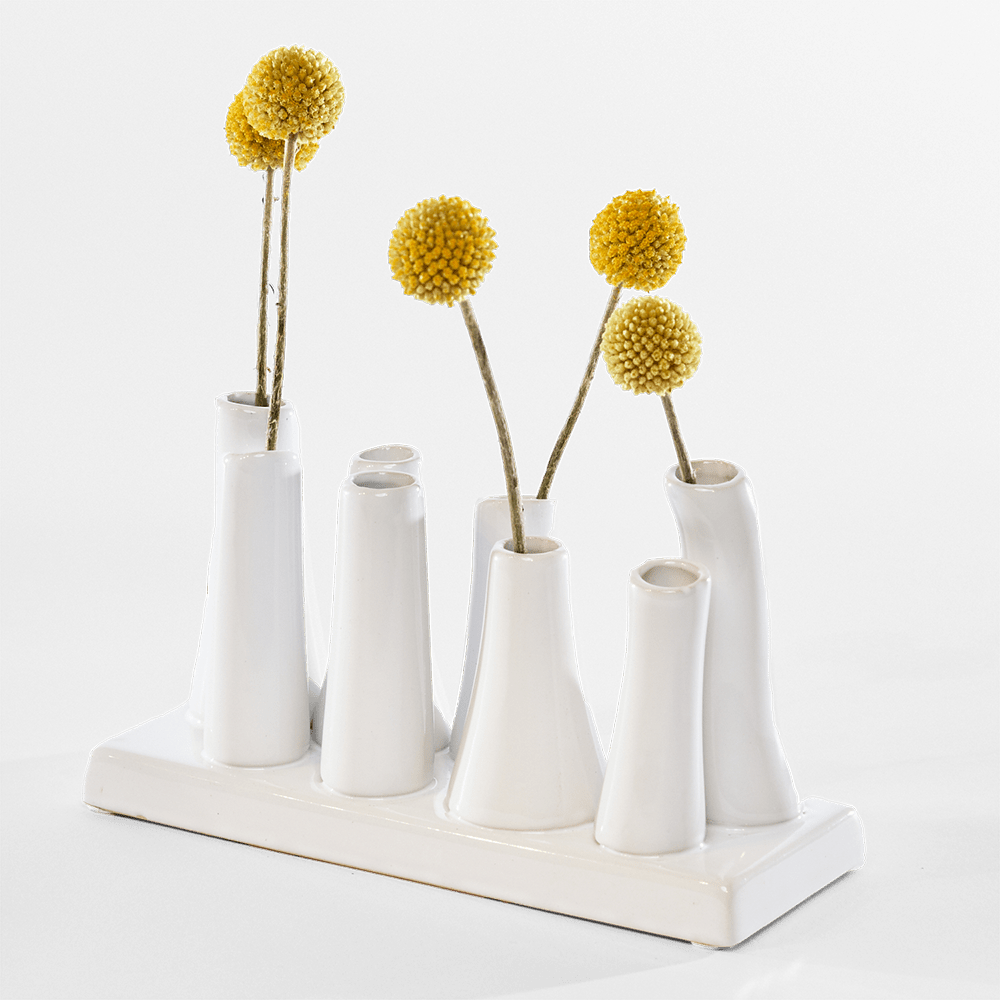
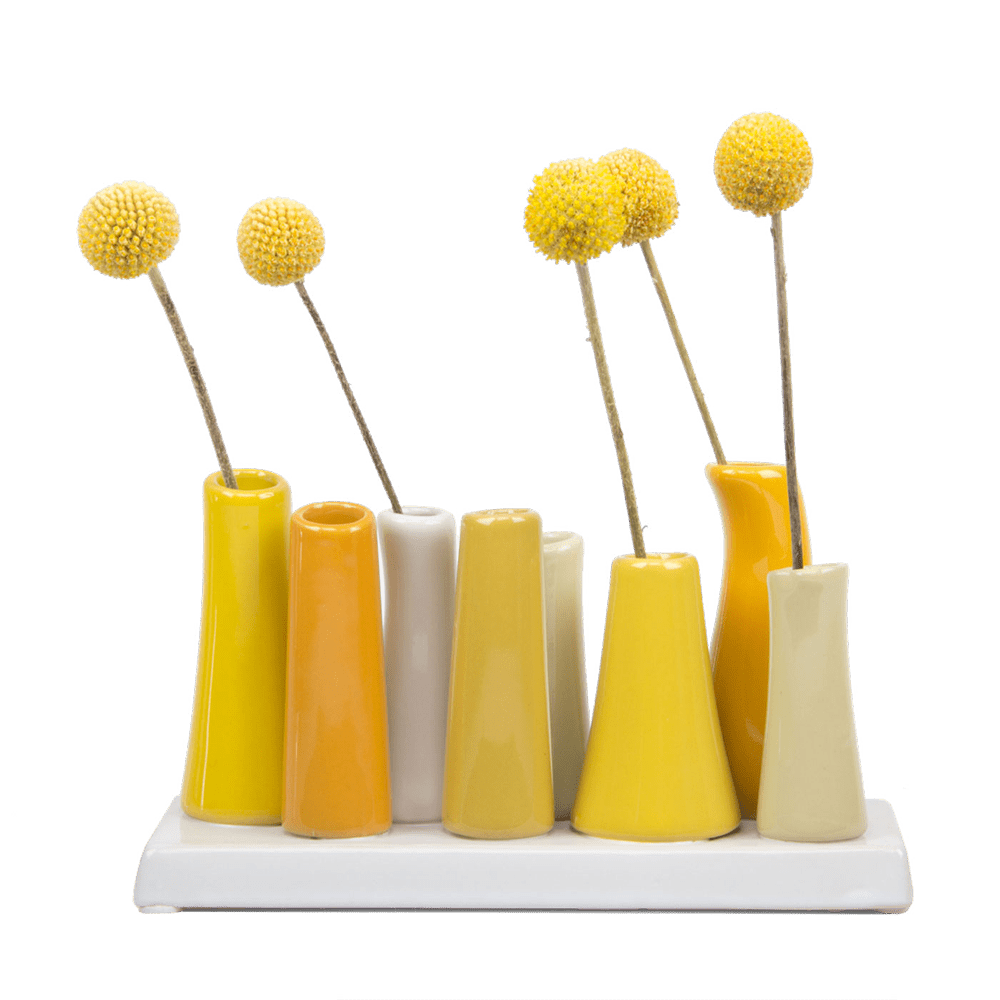
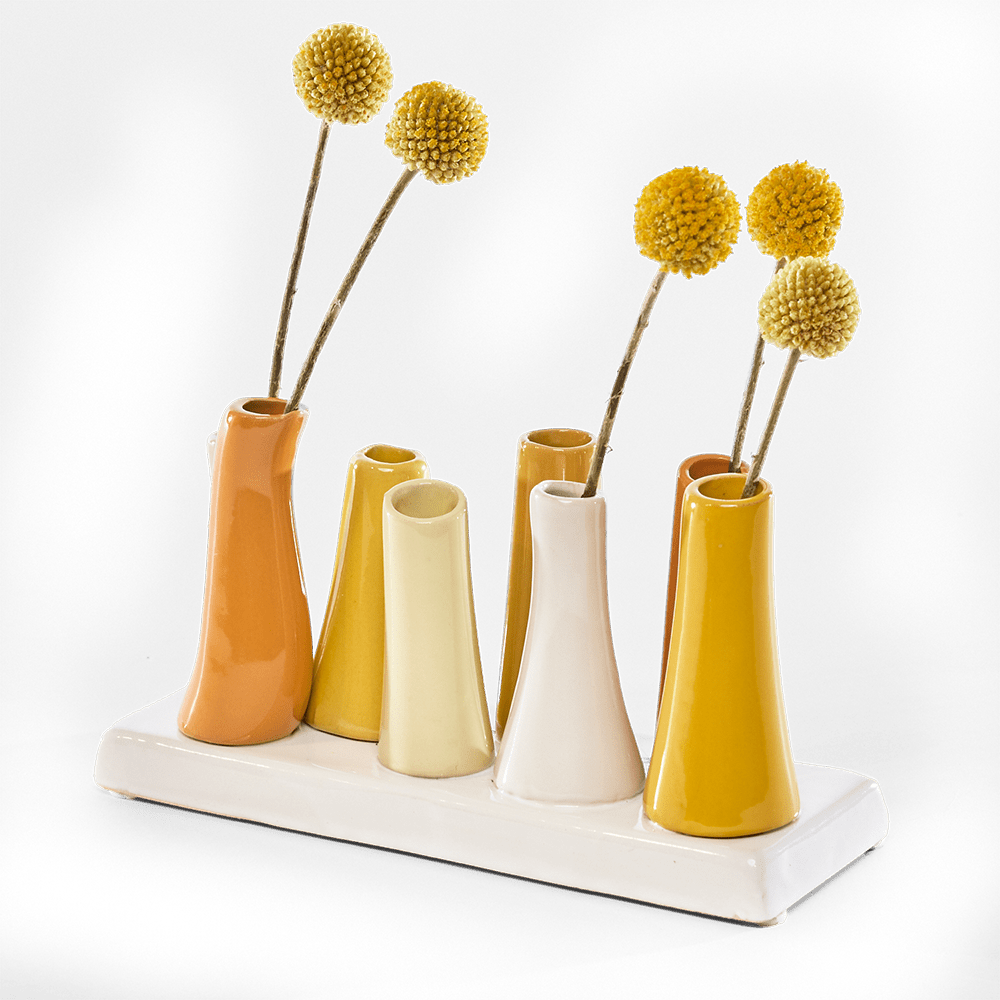
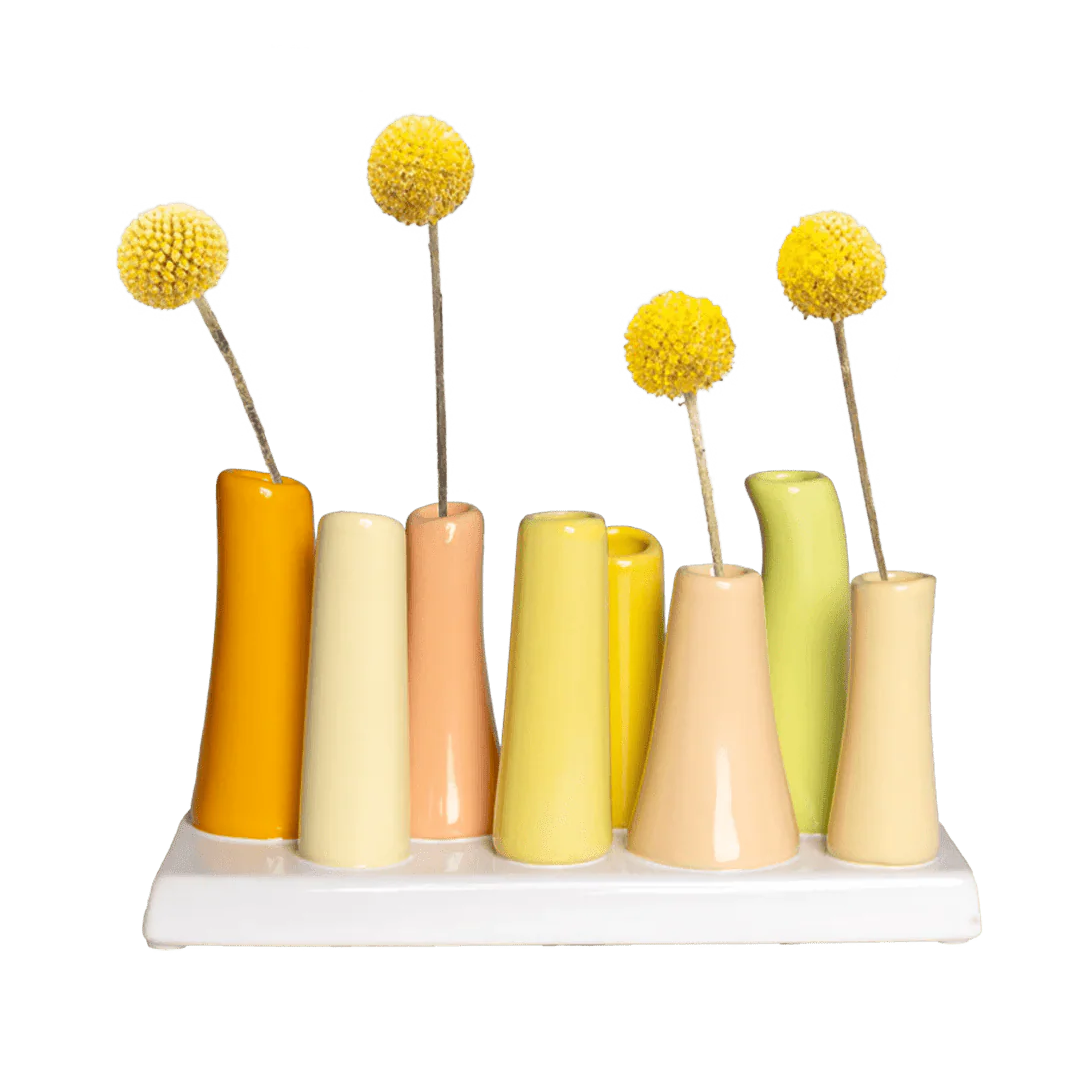
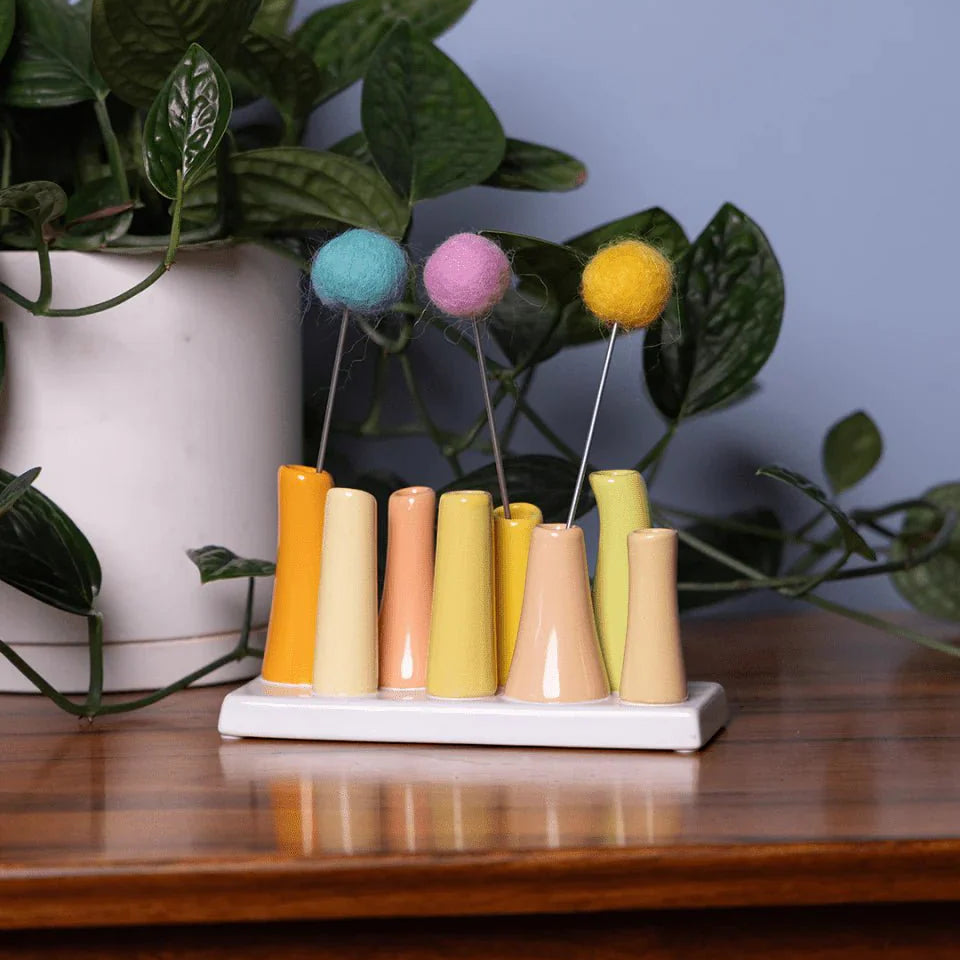
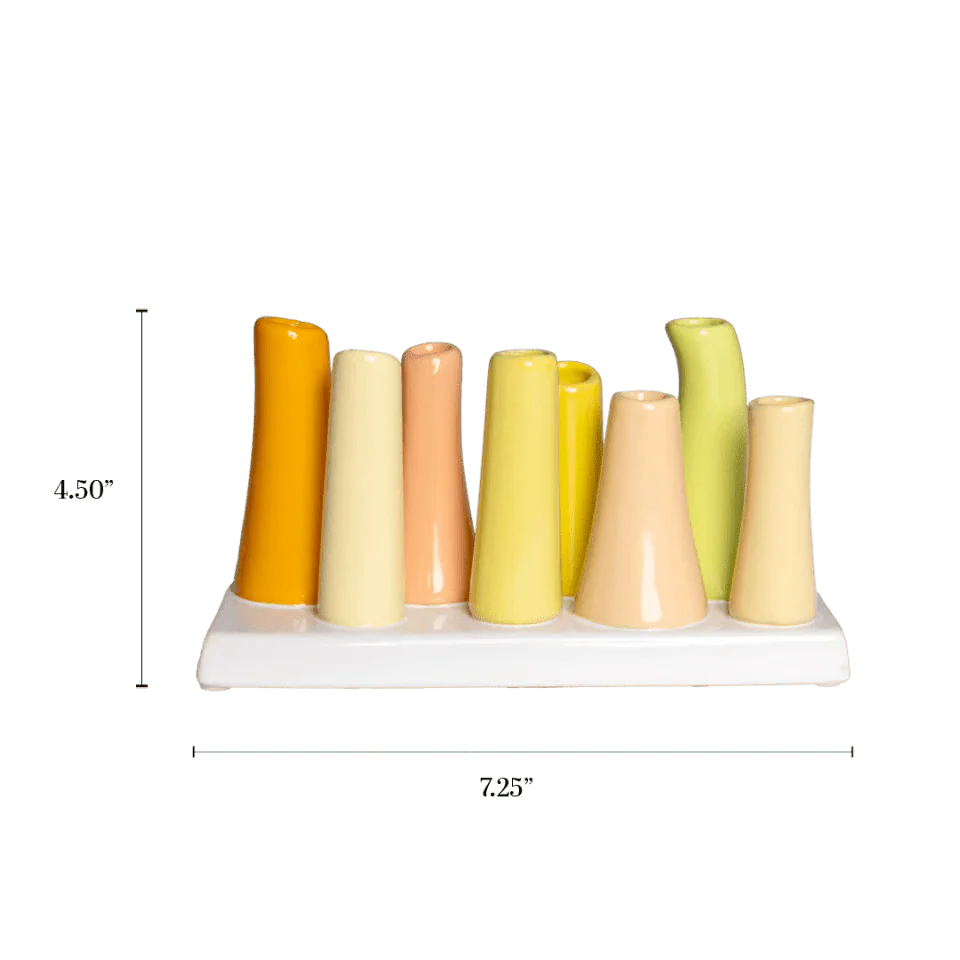
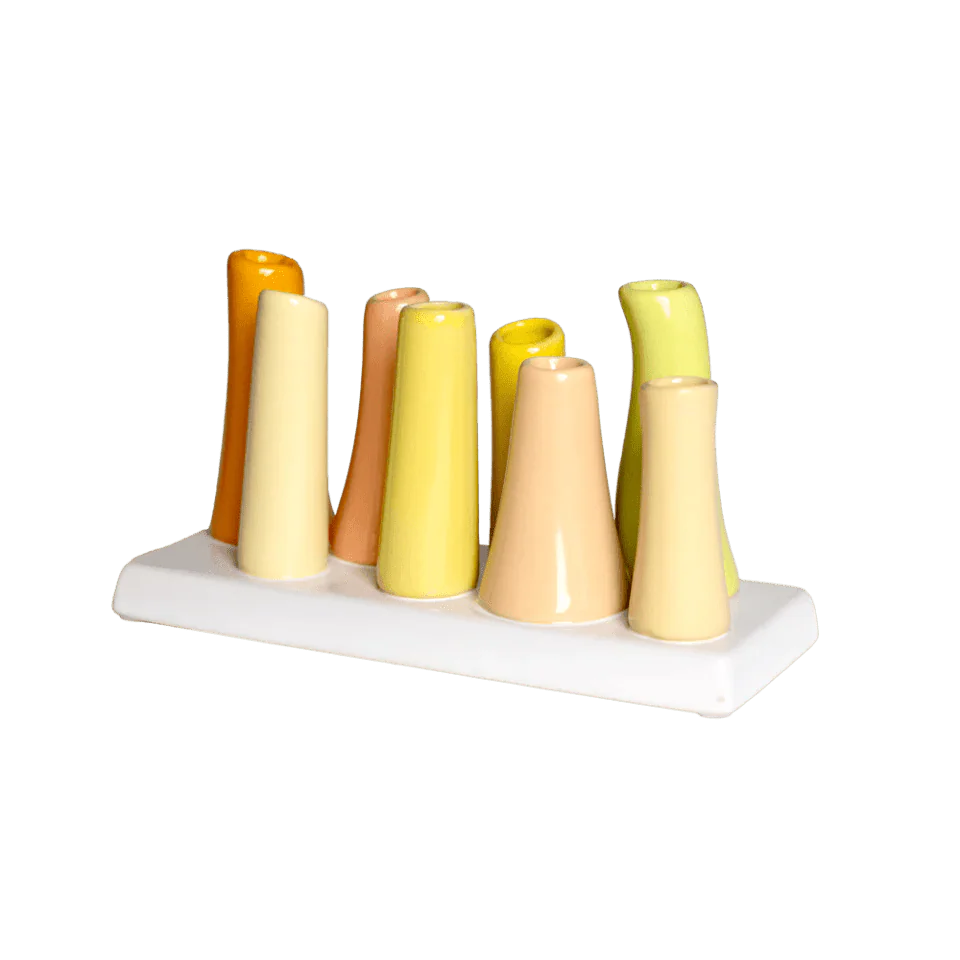
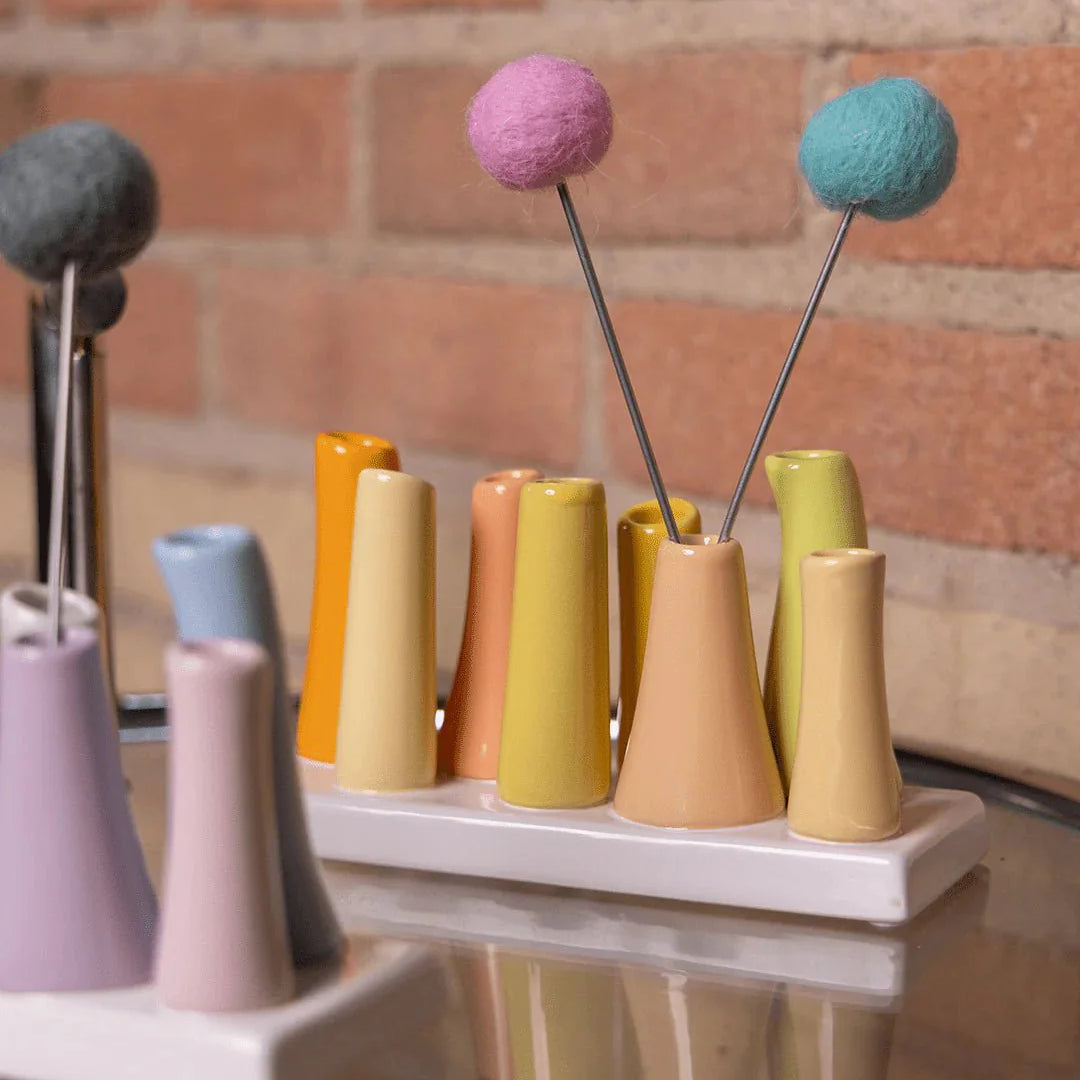
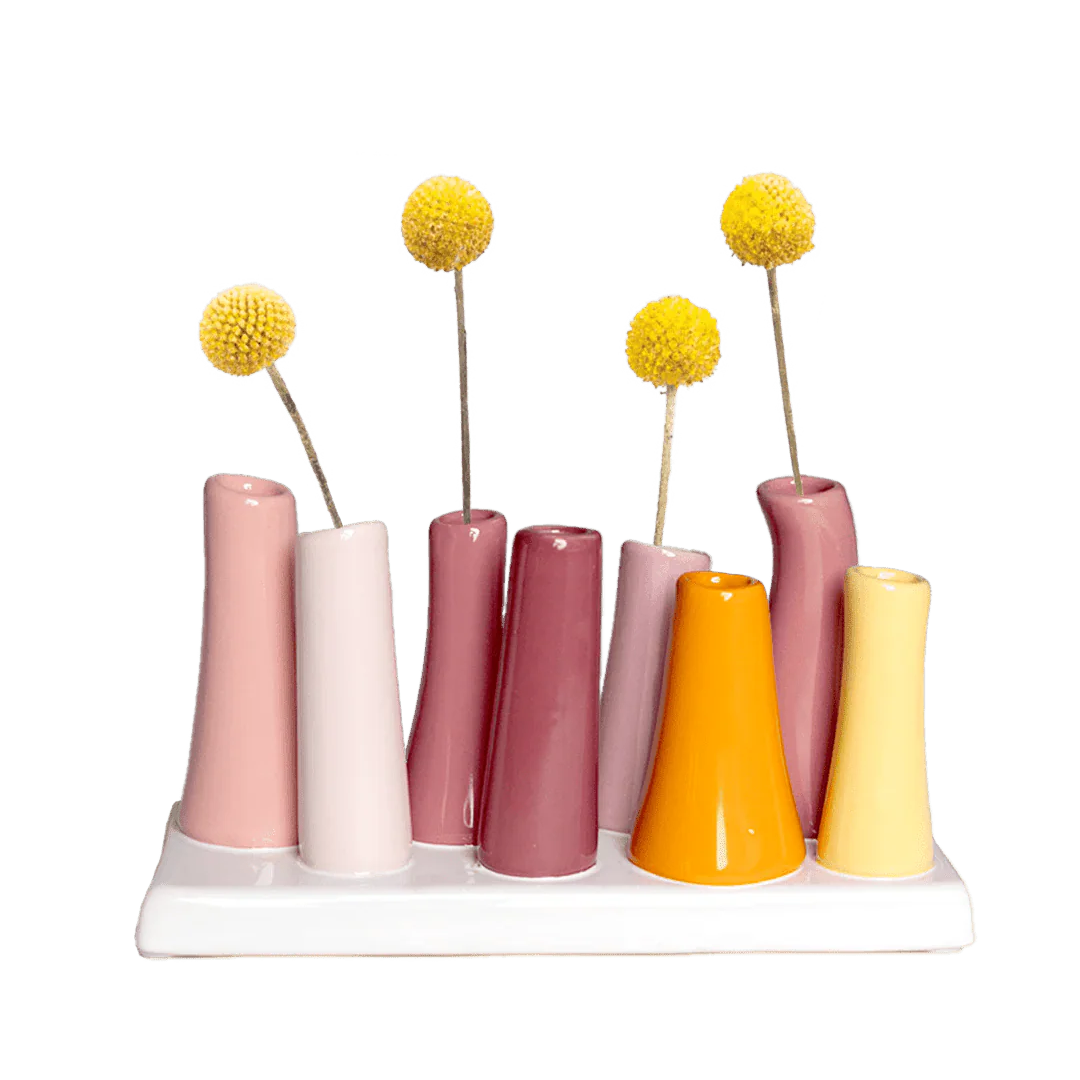
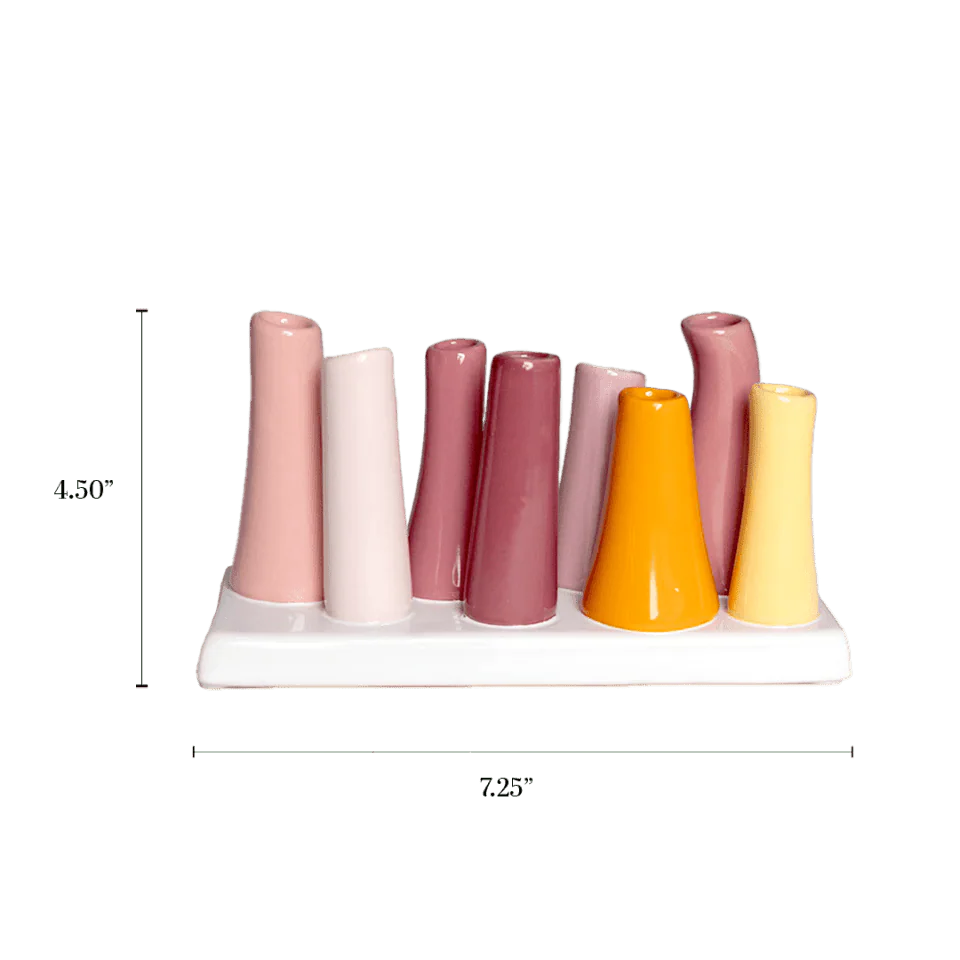
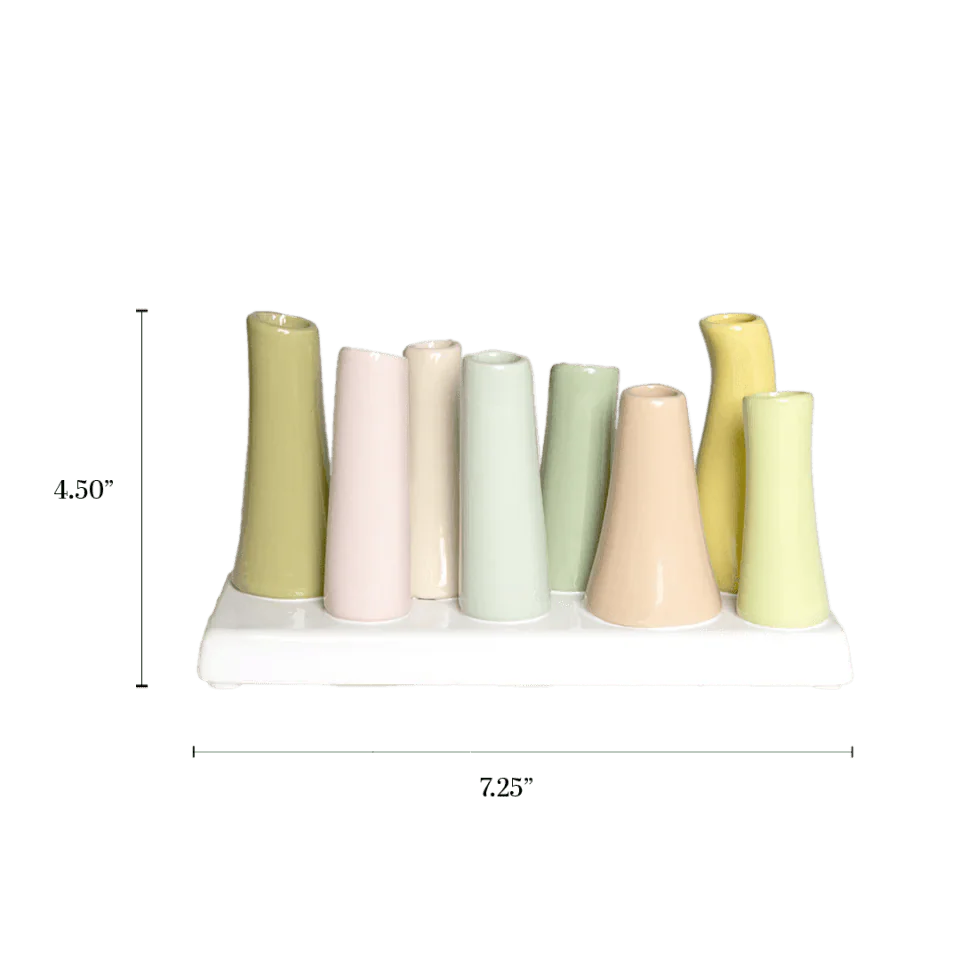
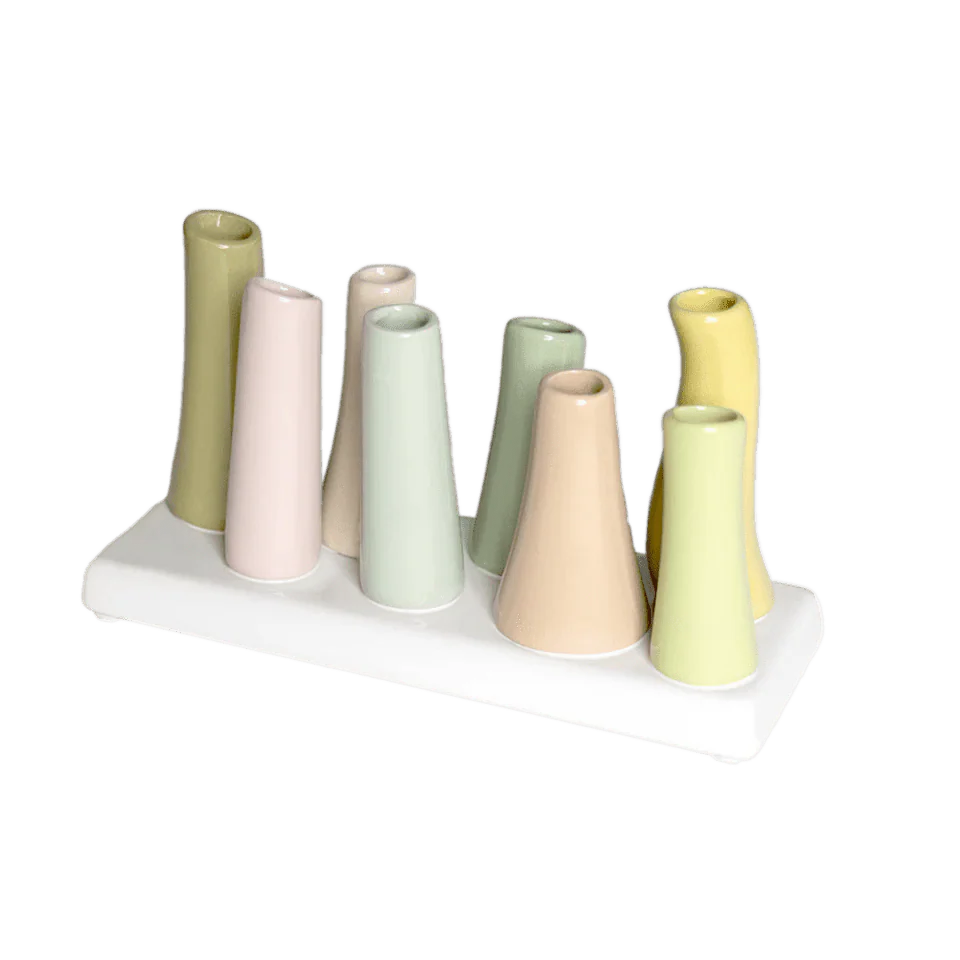
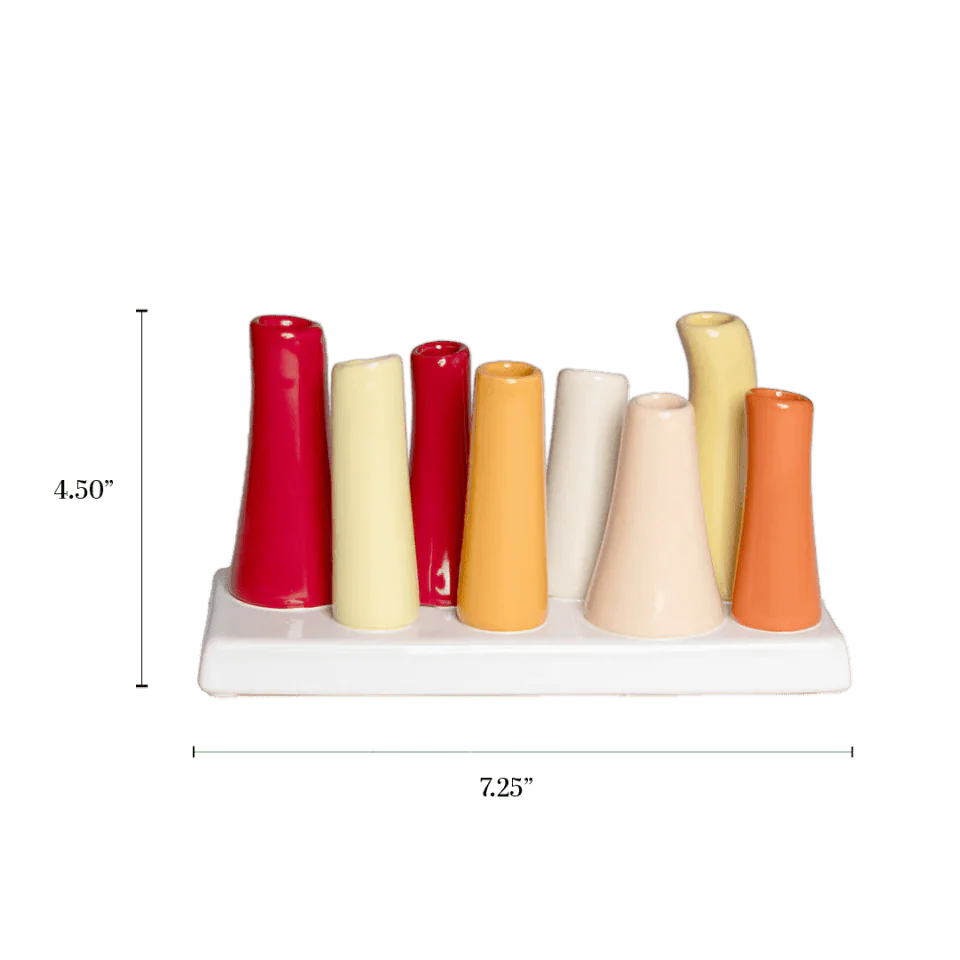
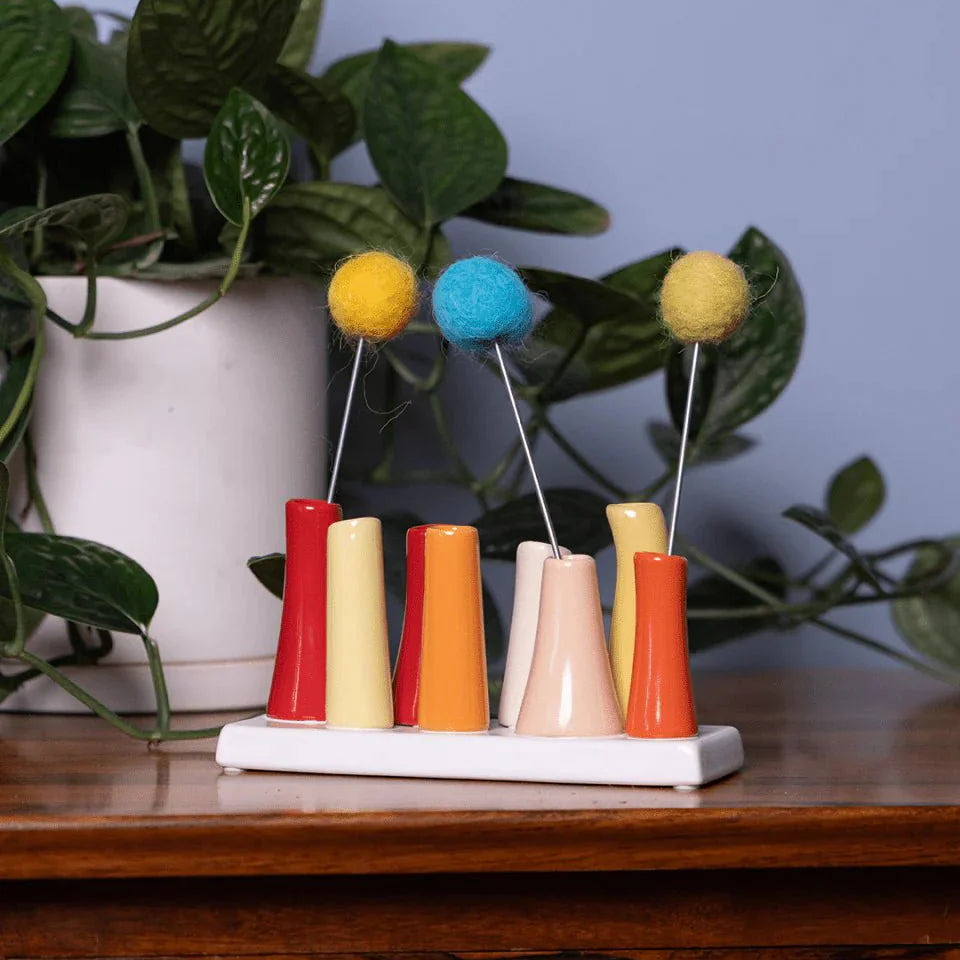
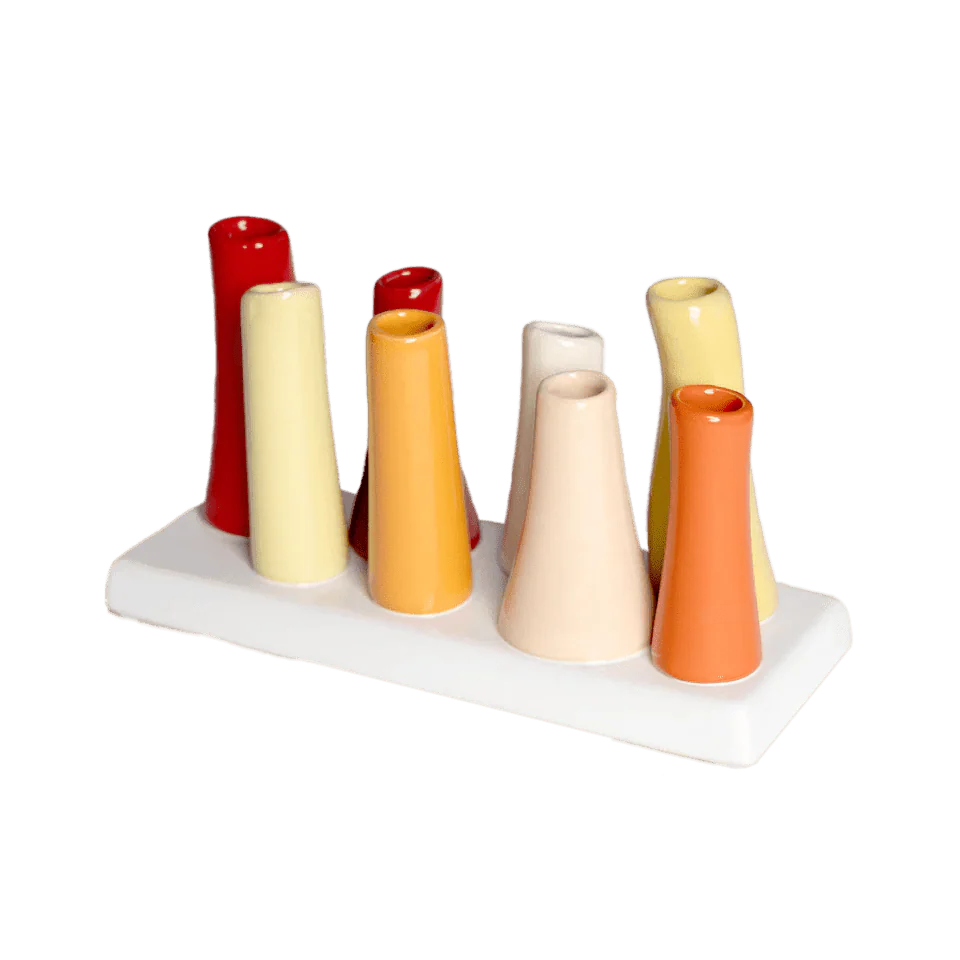
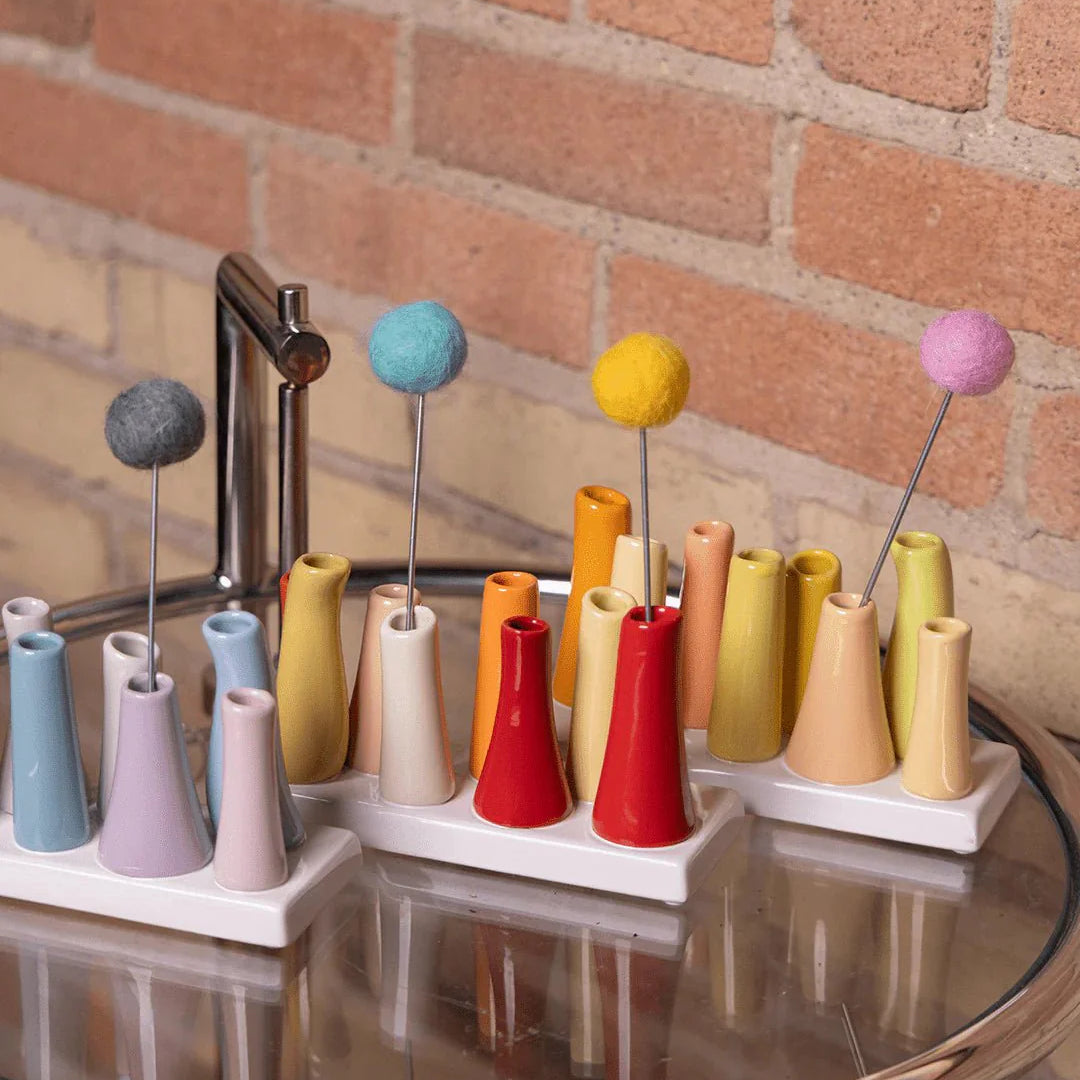
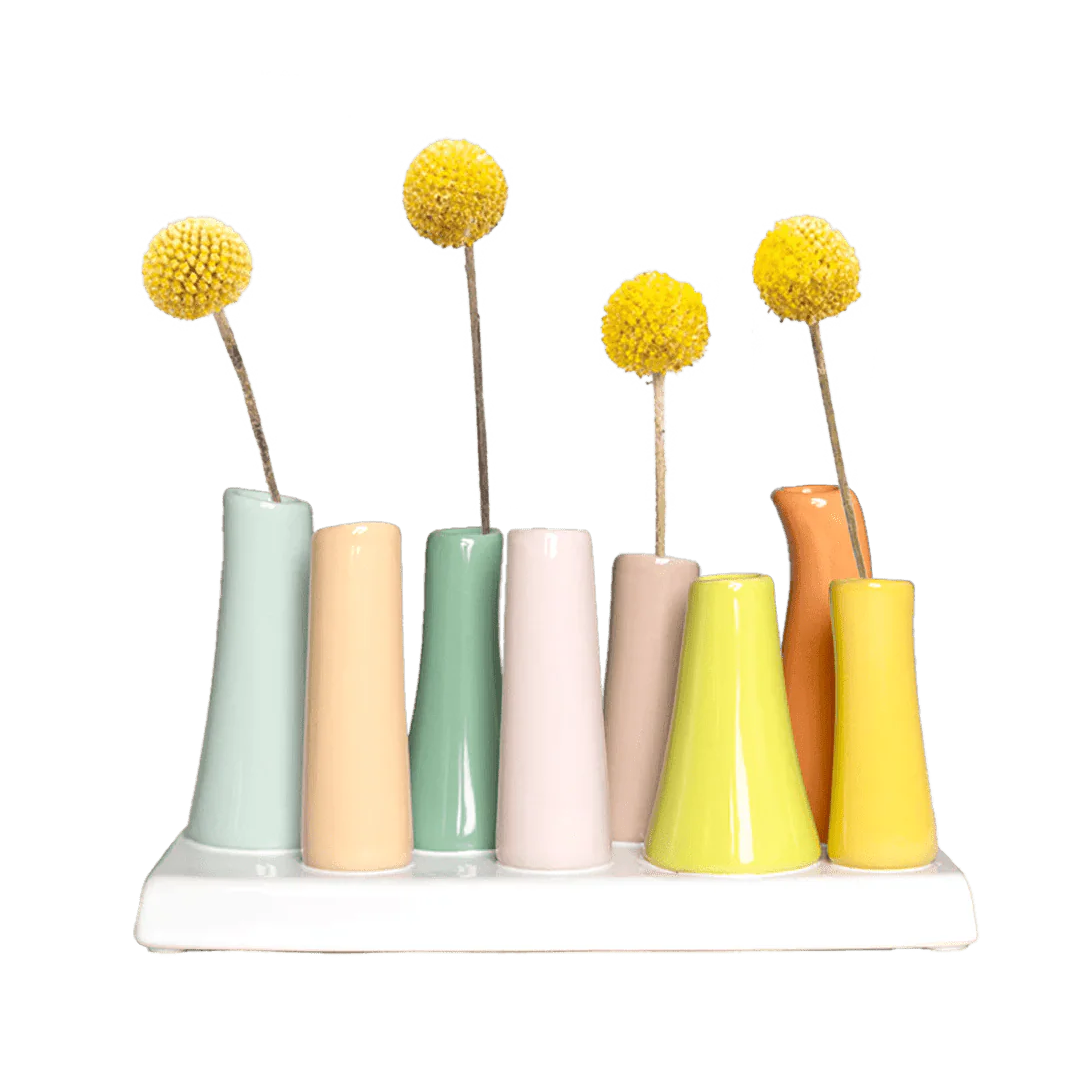
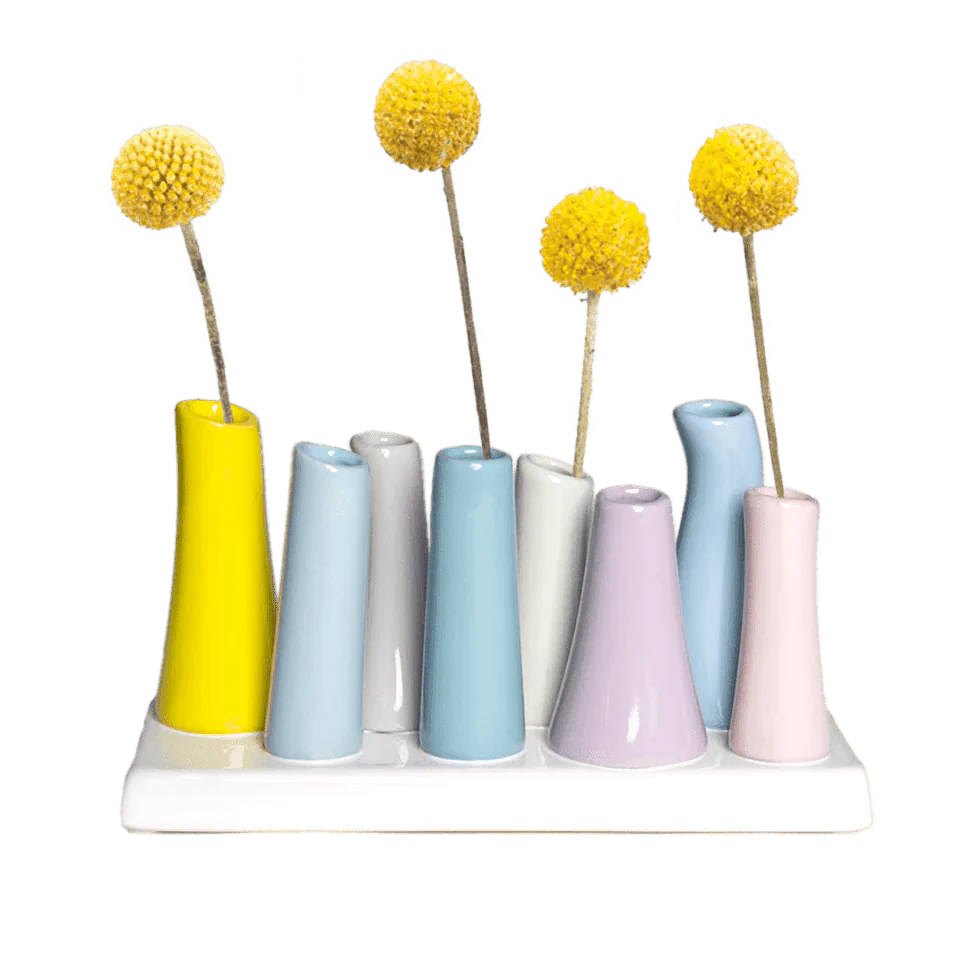
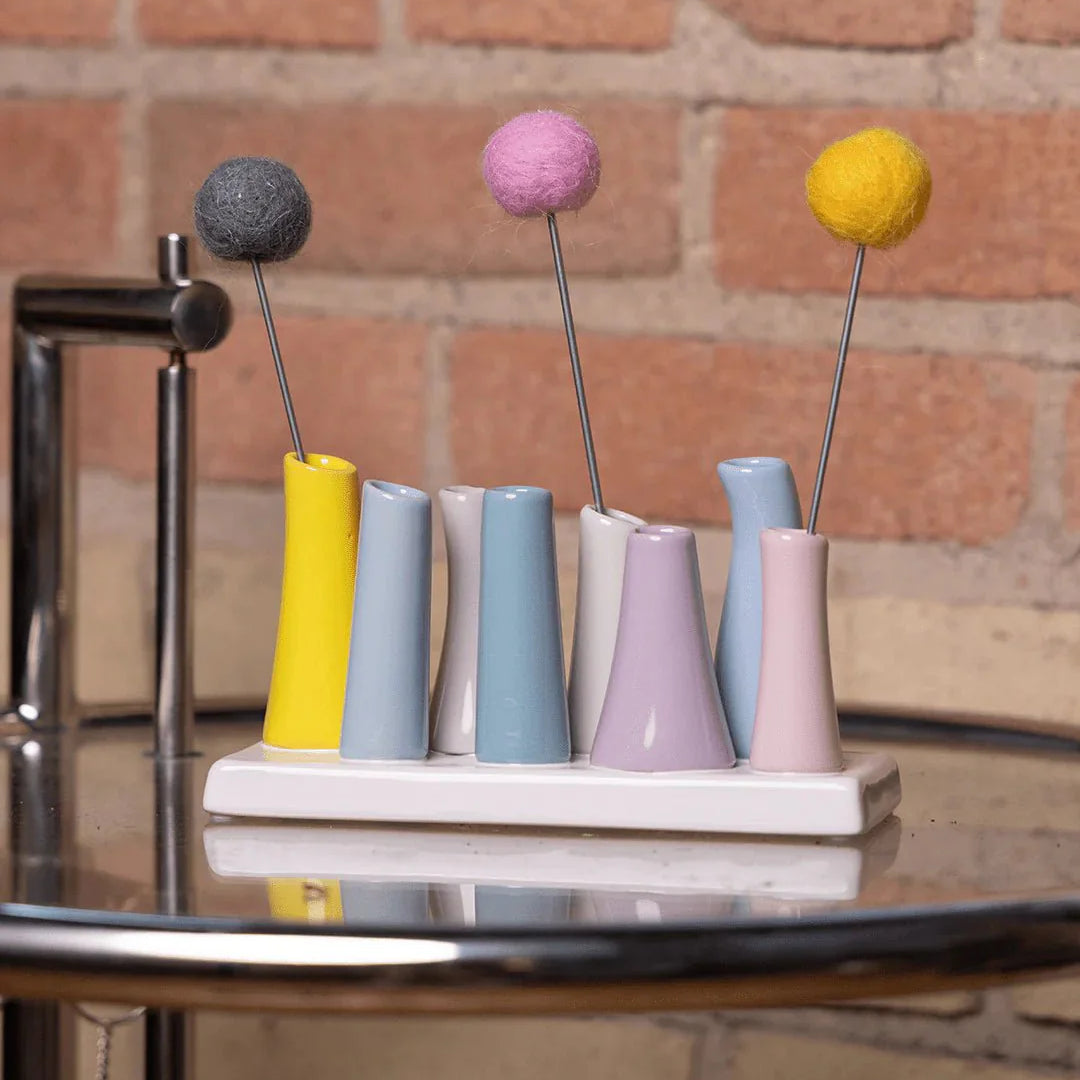
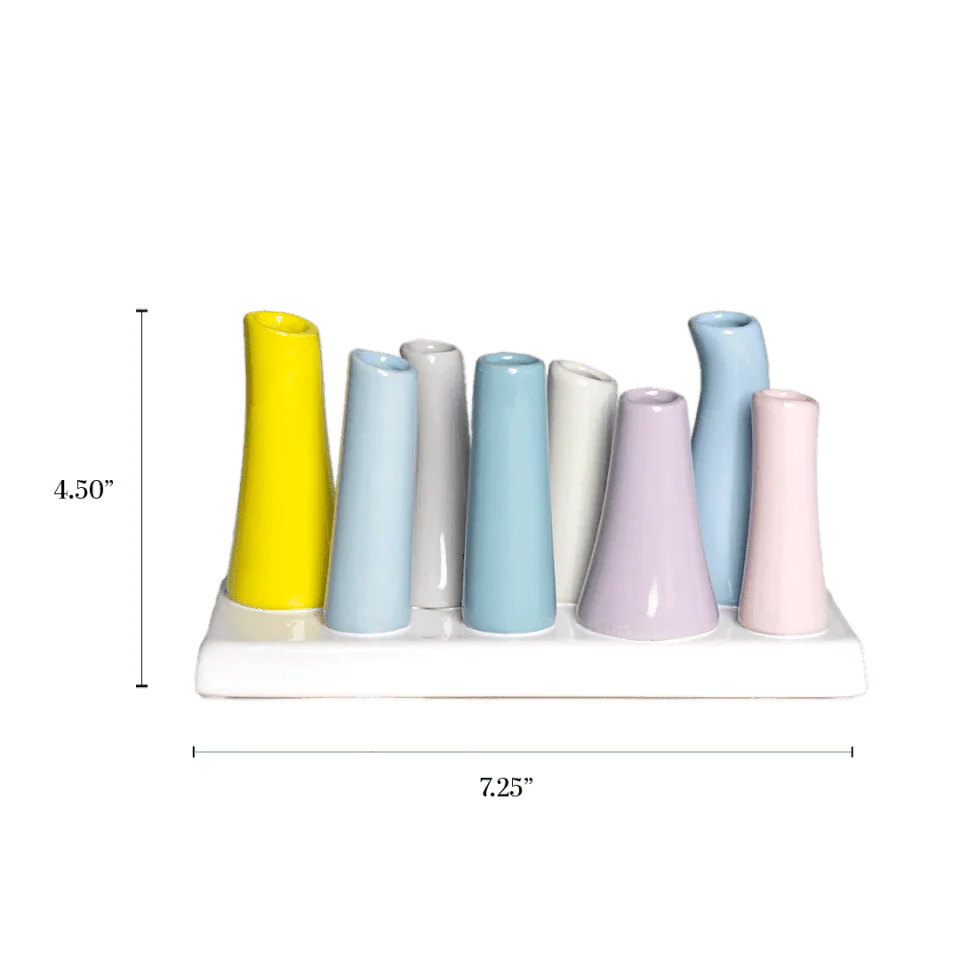
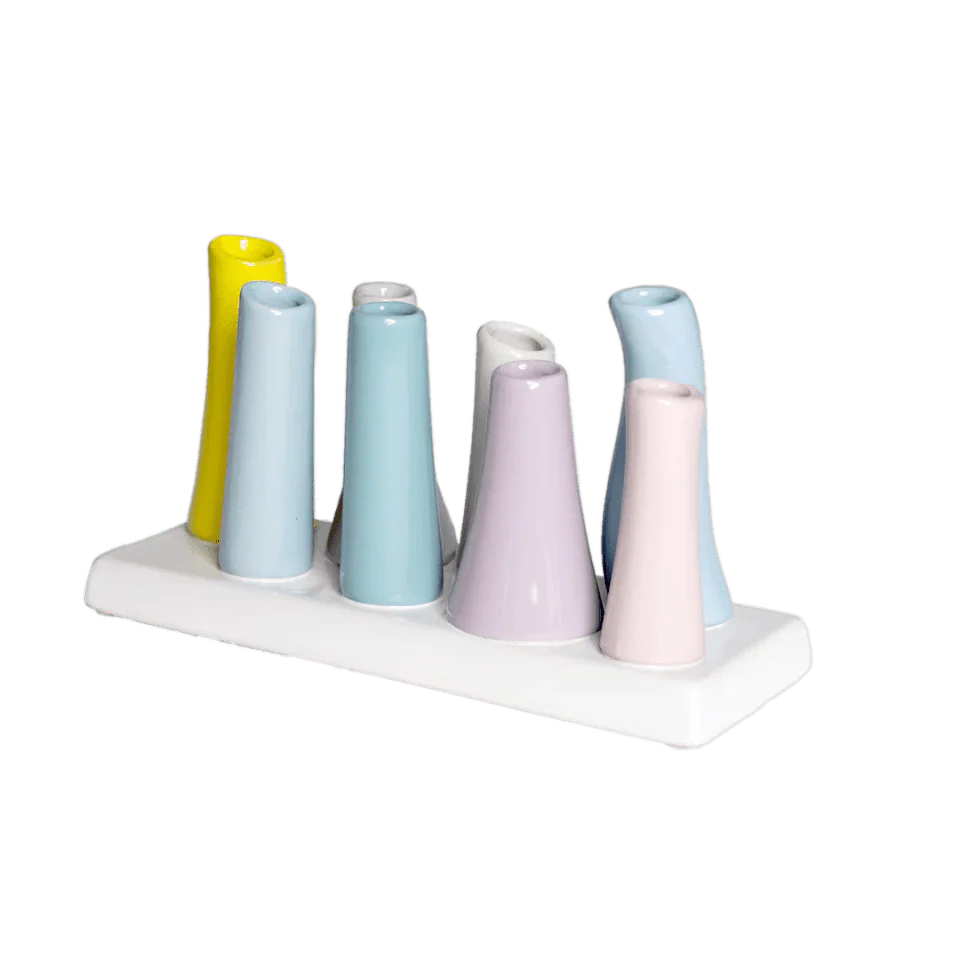
Pooley Modern Bud Vase For Flowers
Regular price €53,81
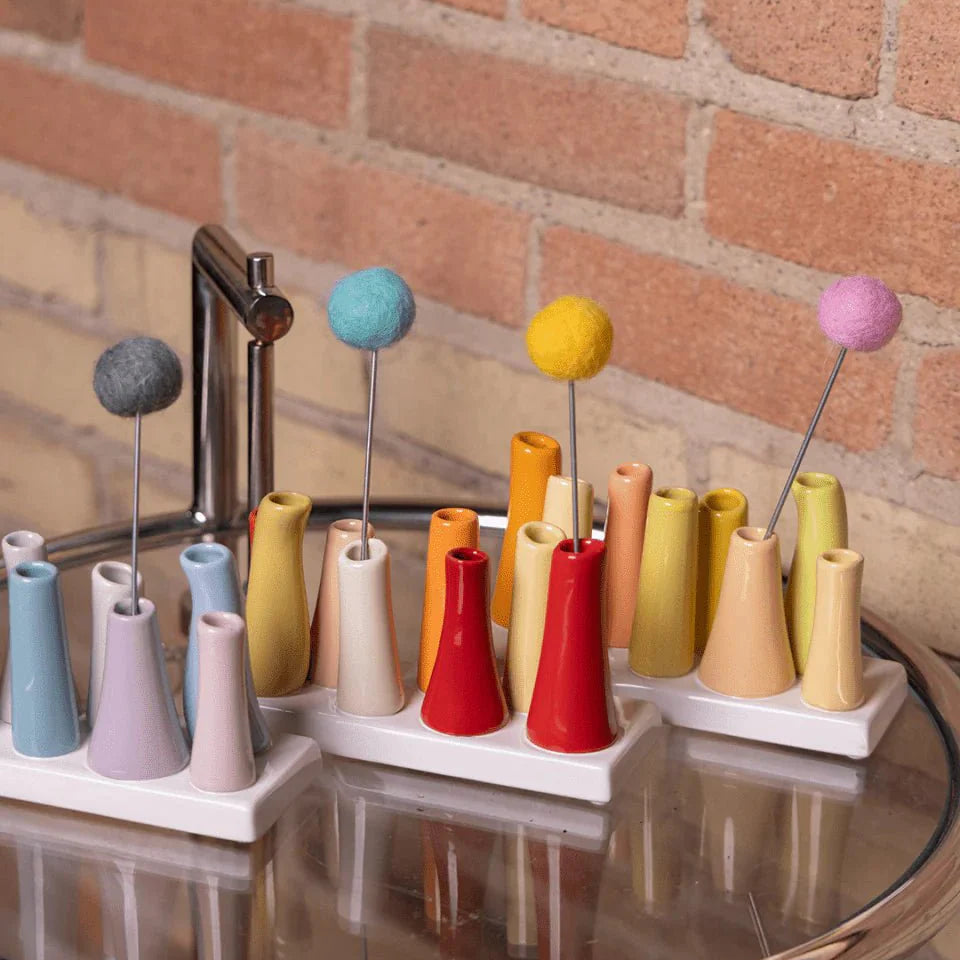
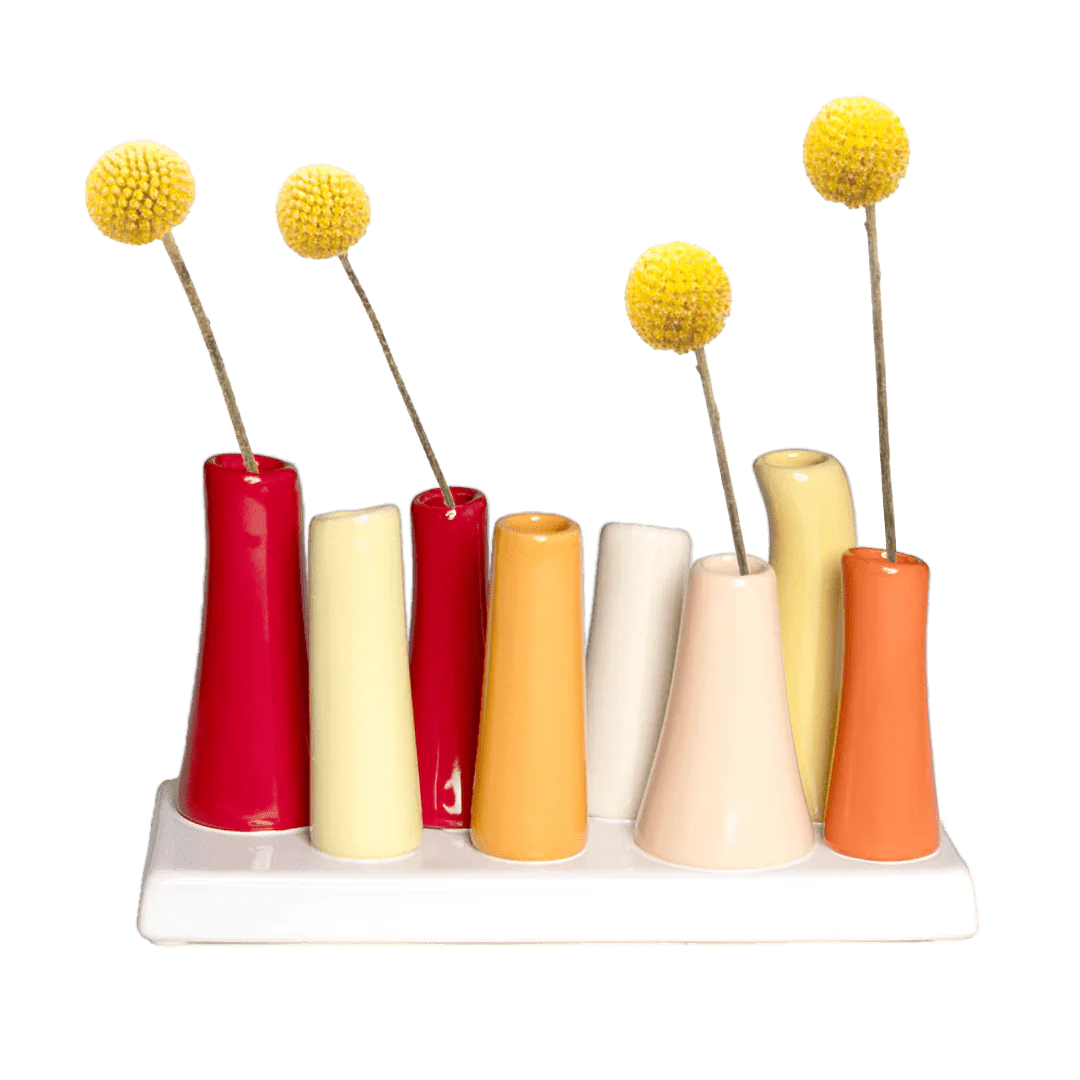
Chartreuse Hunter Grey Macaw Mango Mia Pink Moss Ocean Papaya Pear Scout Blue Serenity Strawberry Shortcake Tangerine White Wilson Yellow Yellow + 13 more

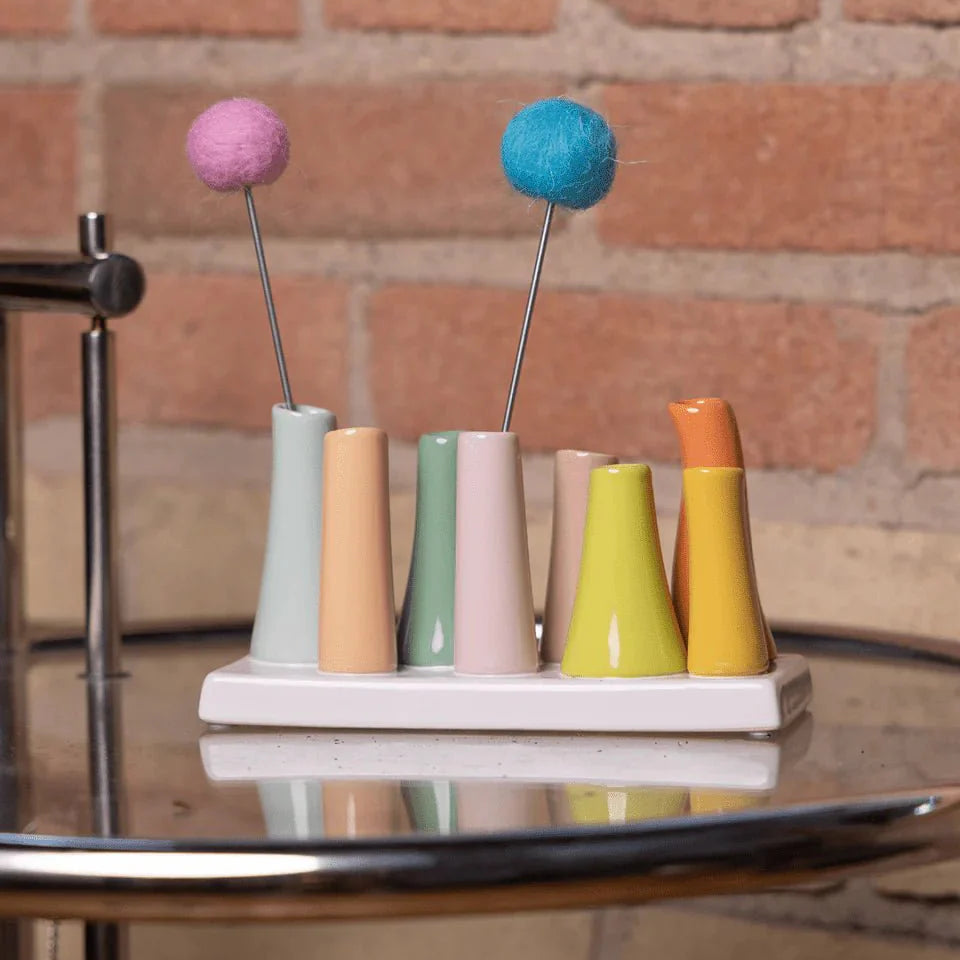
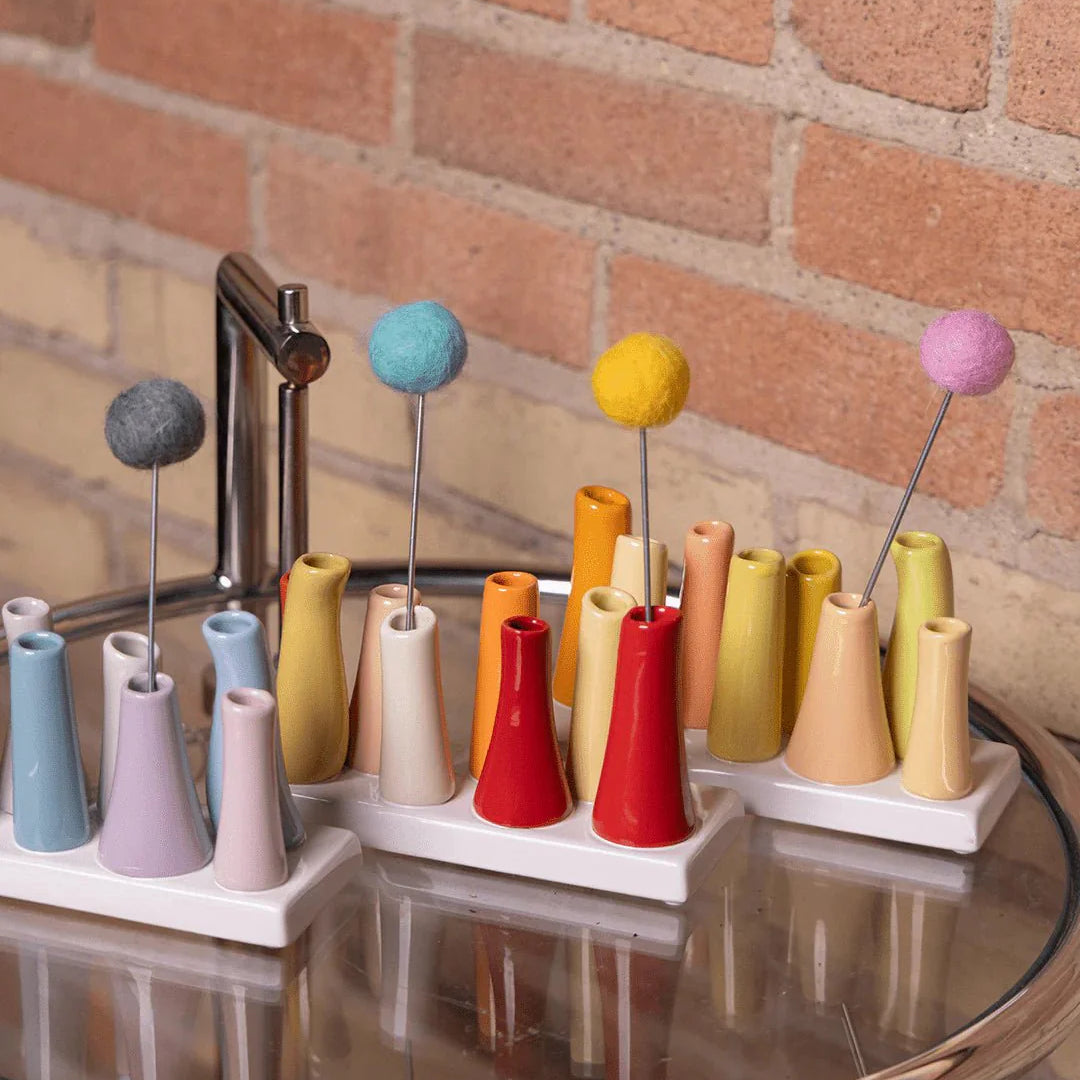
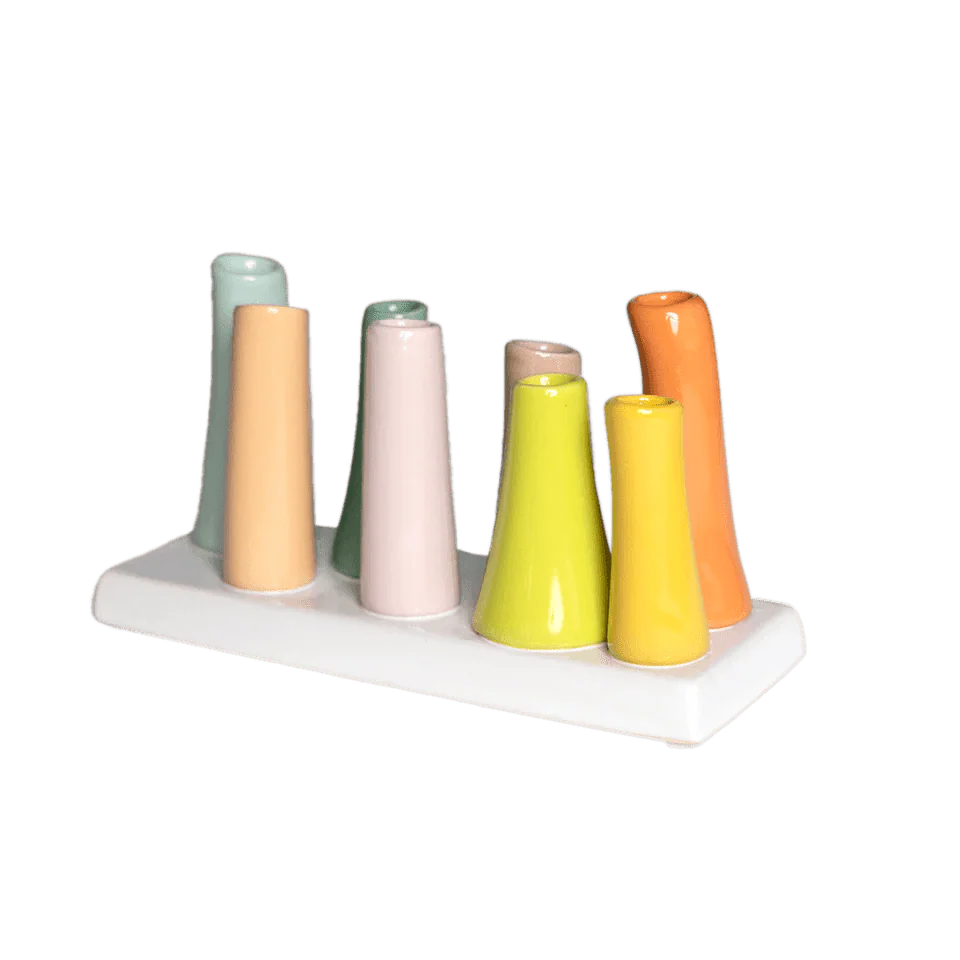
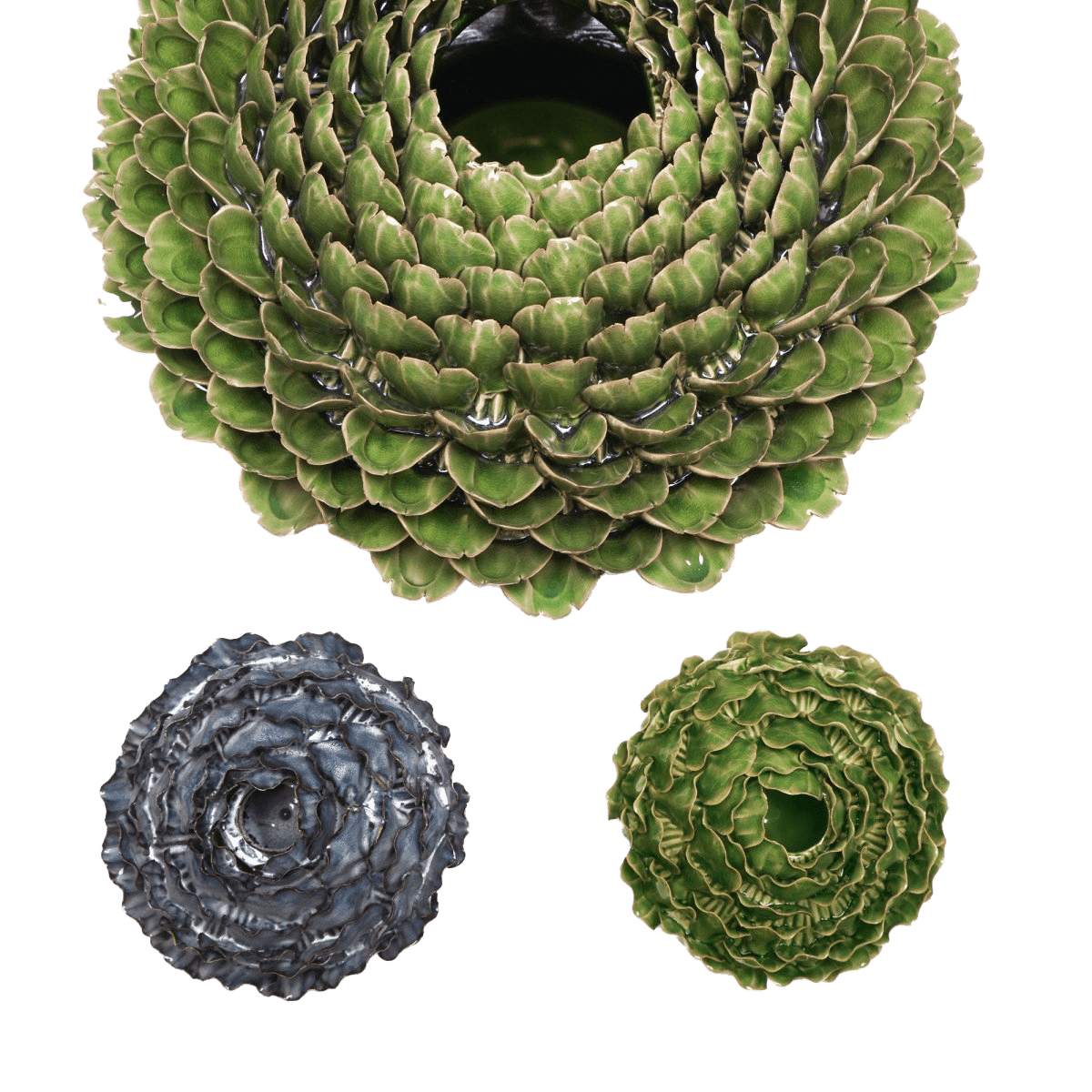
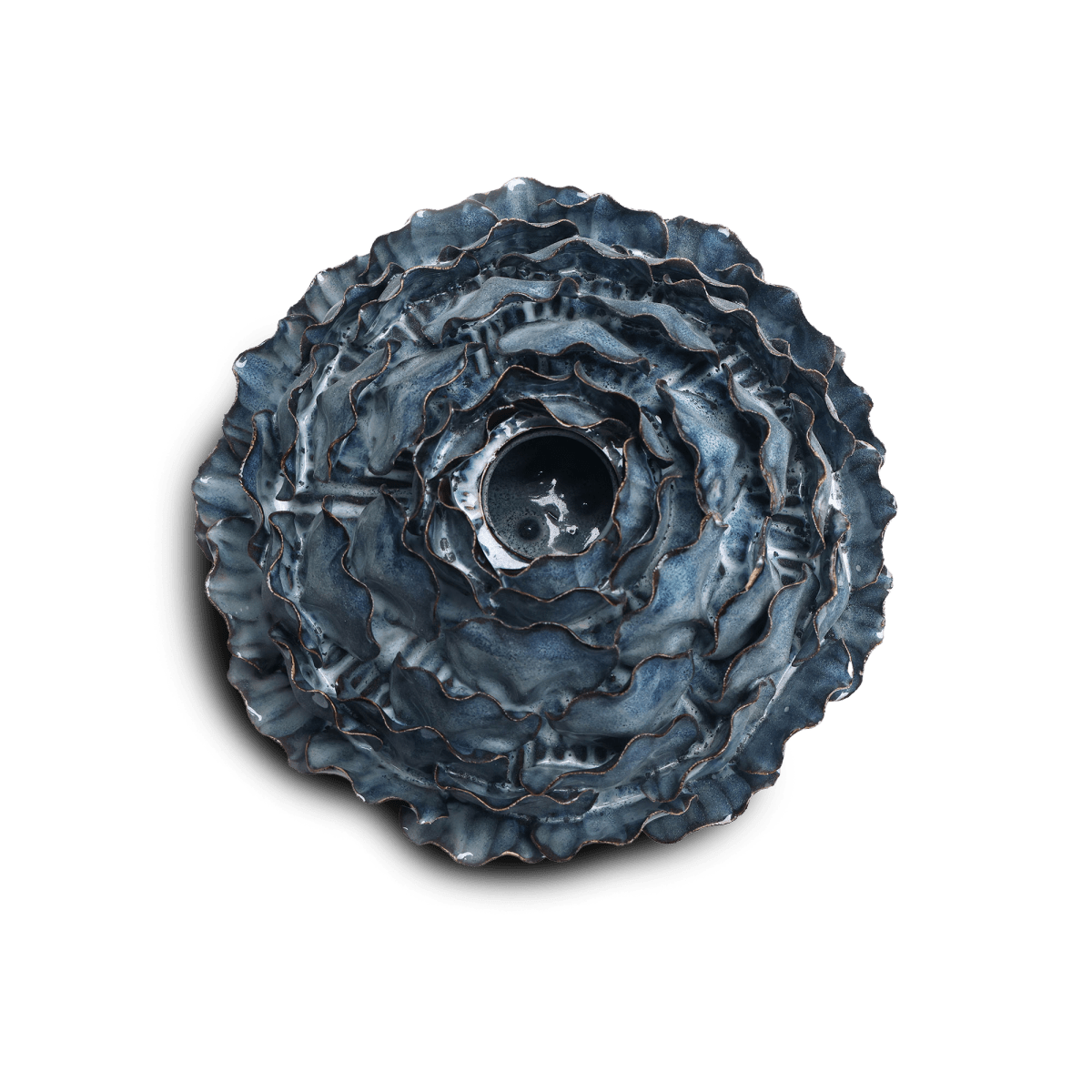
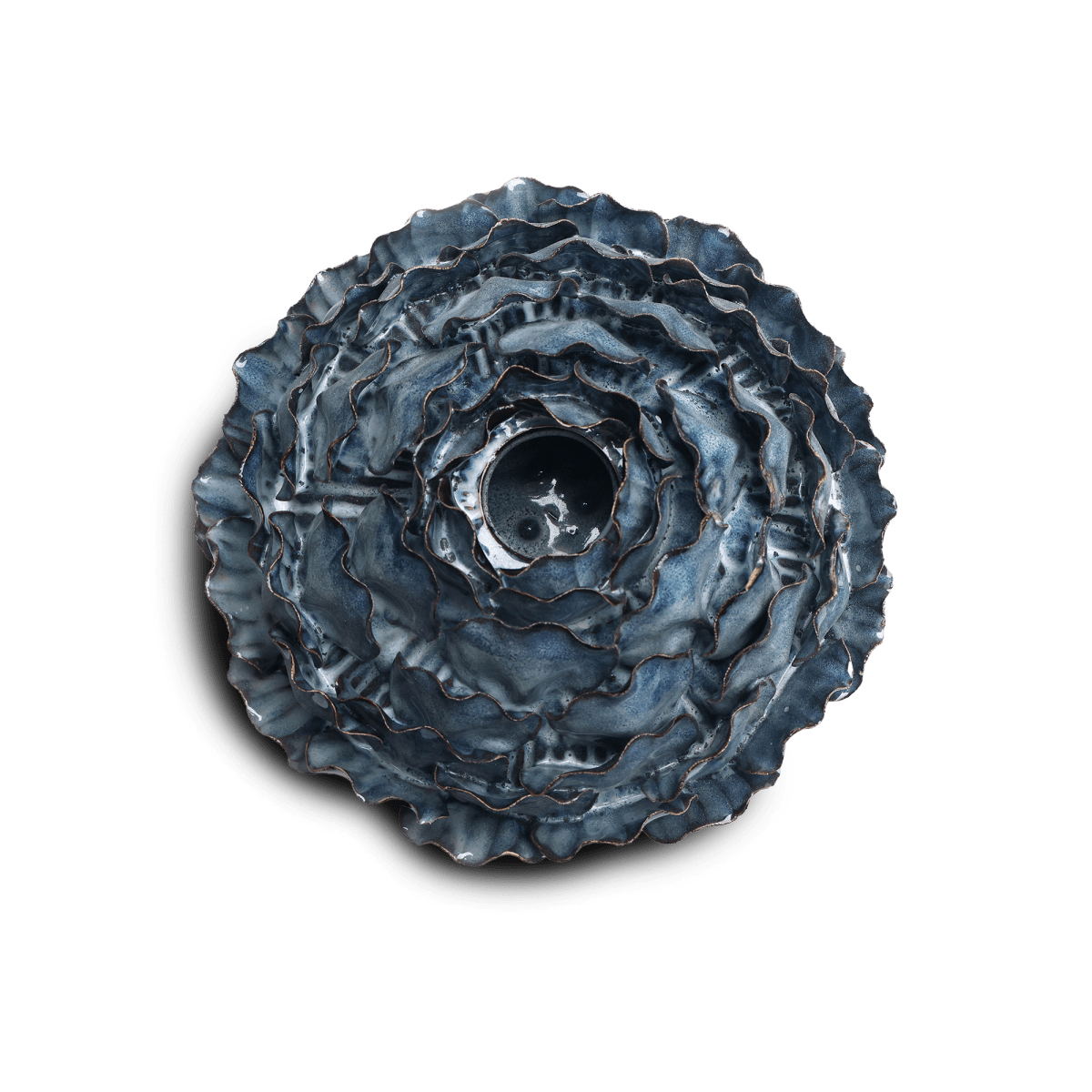
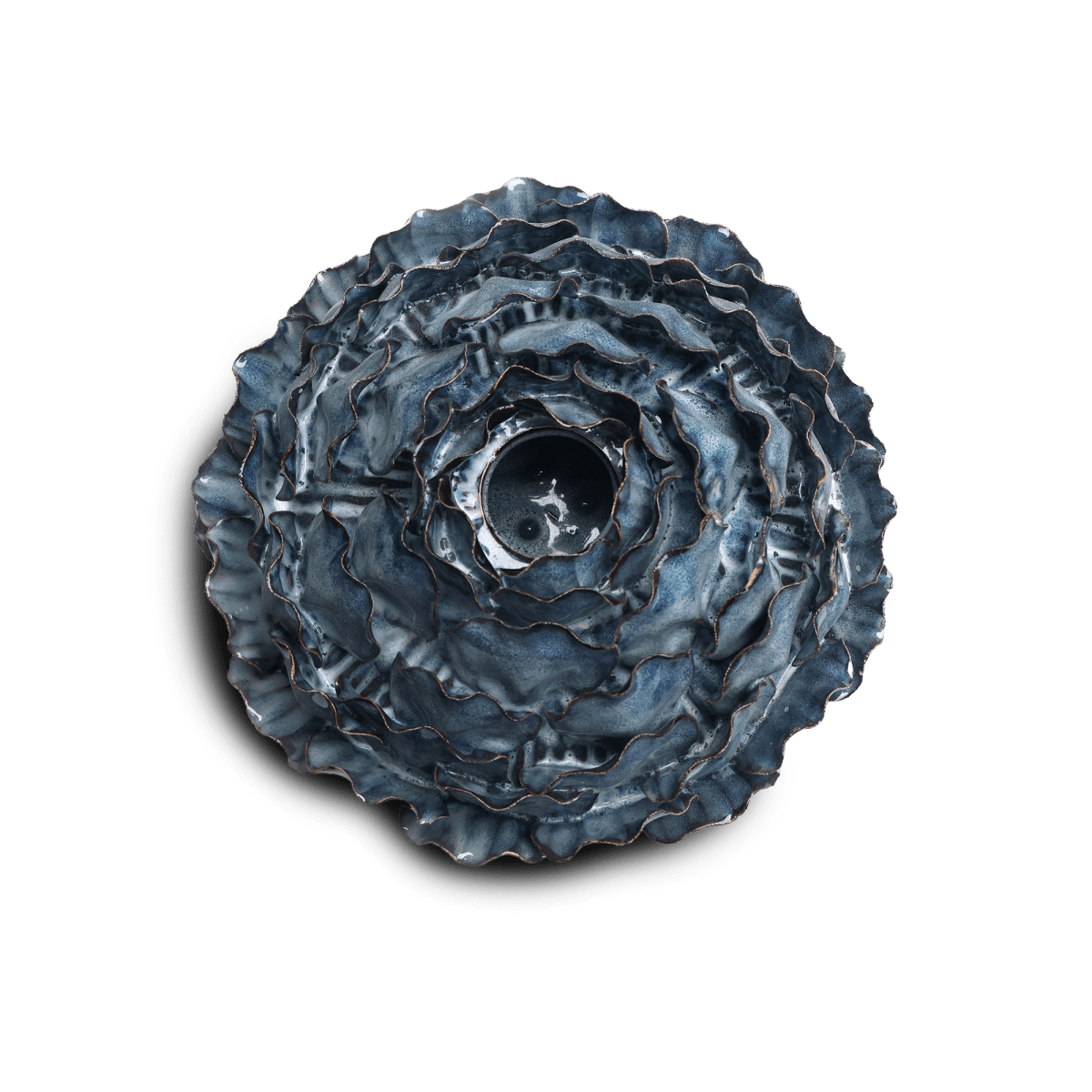
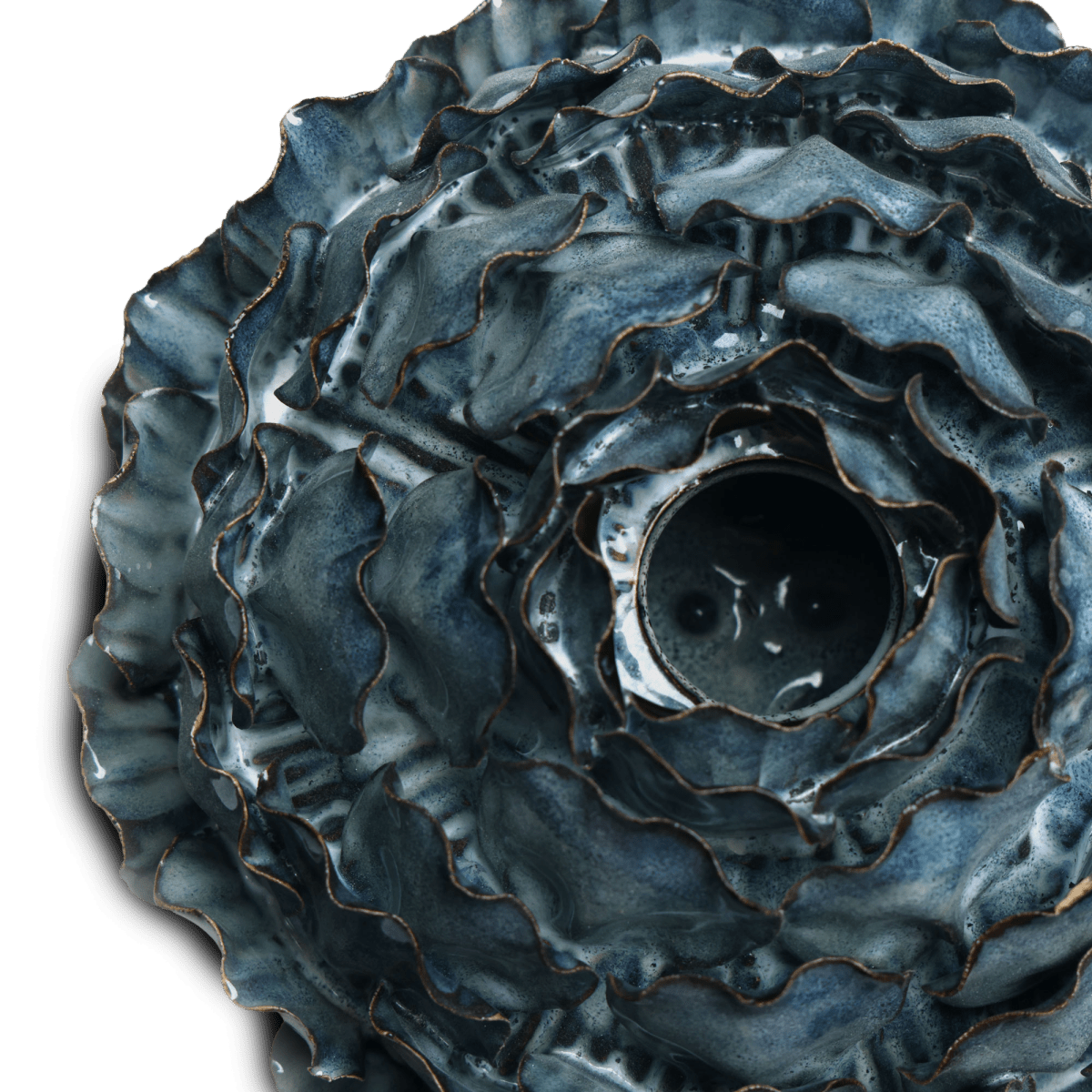
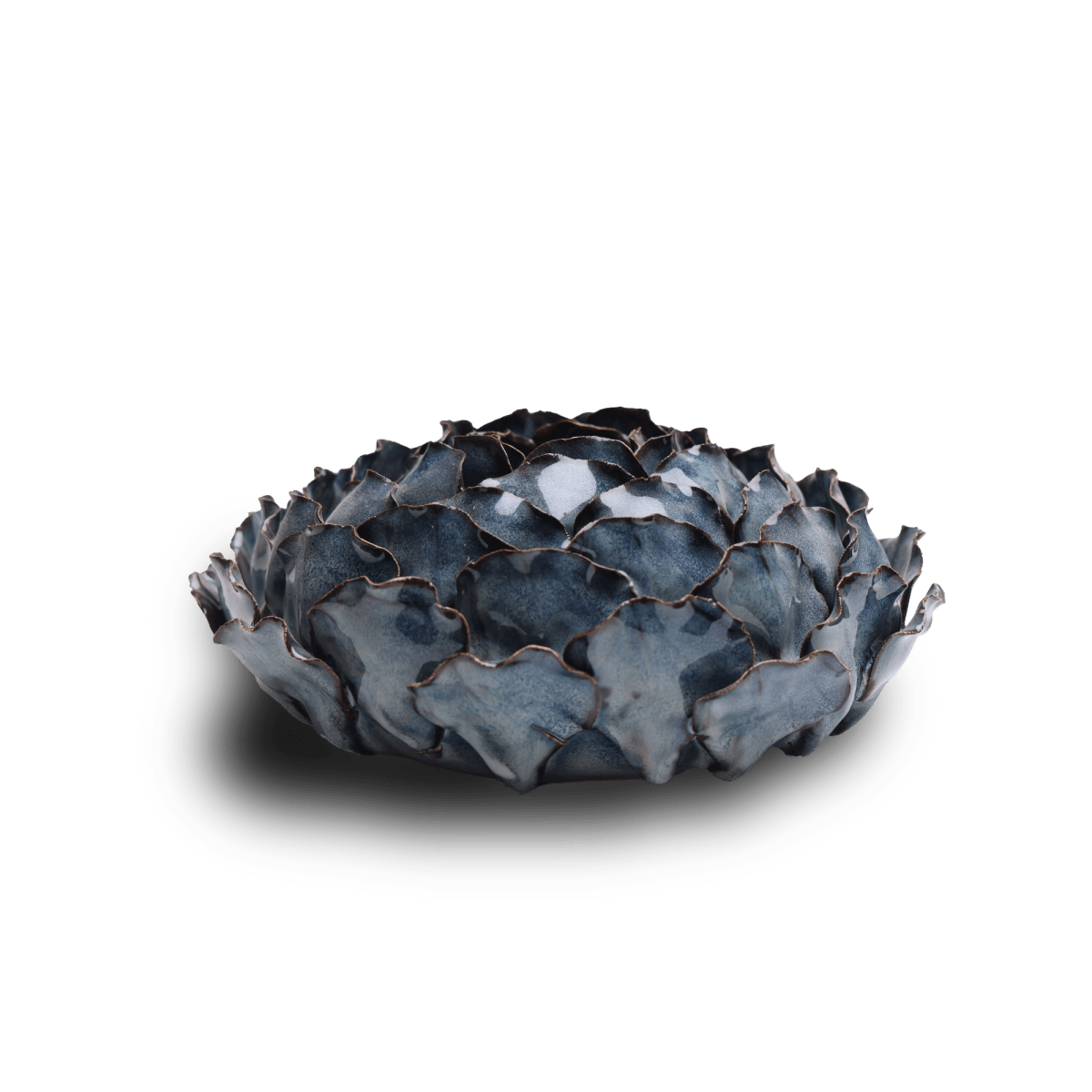
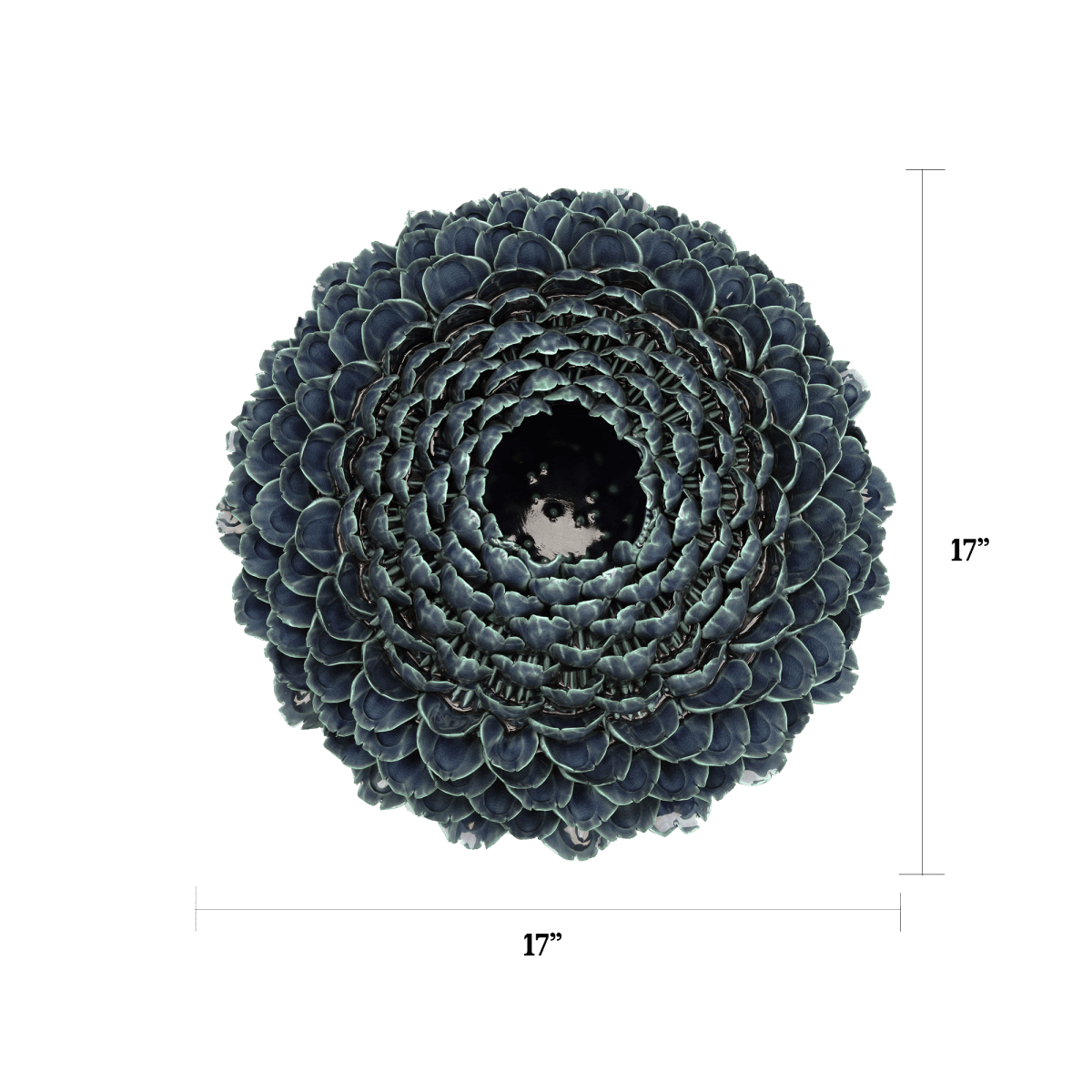
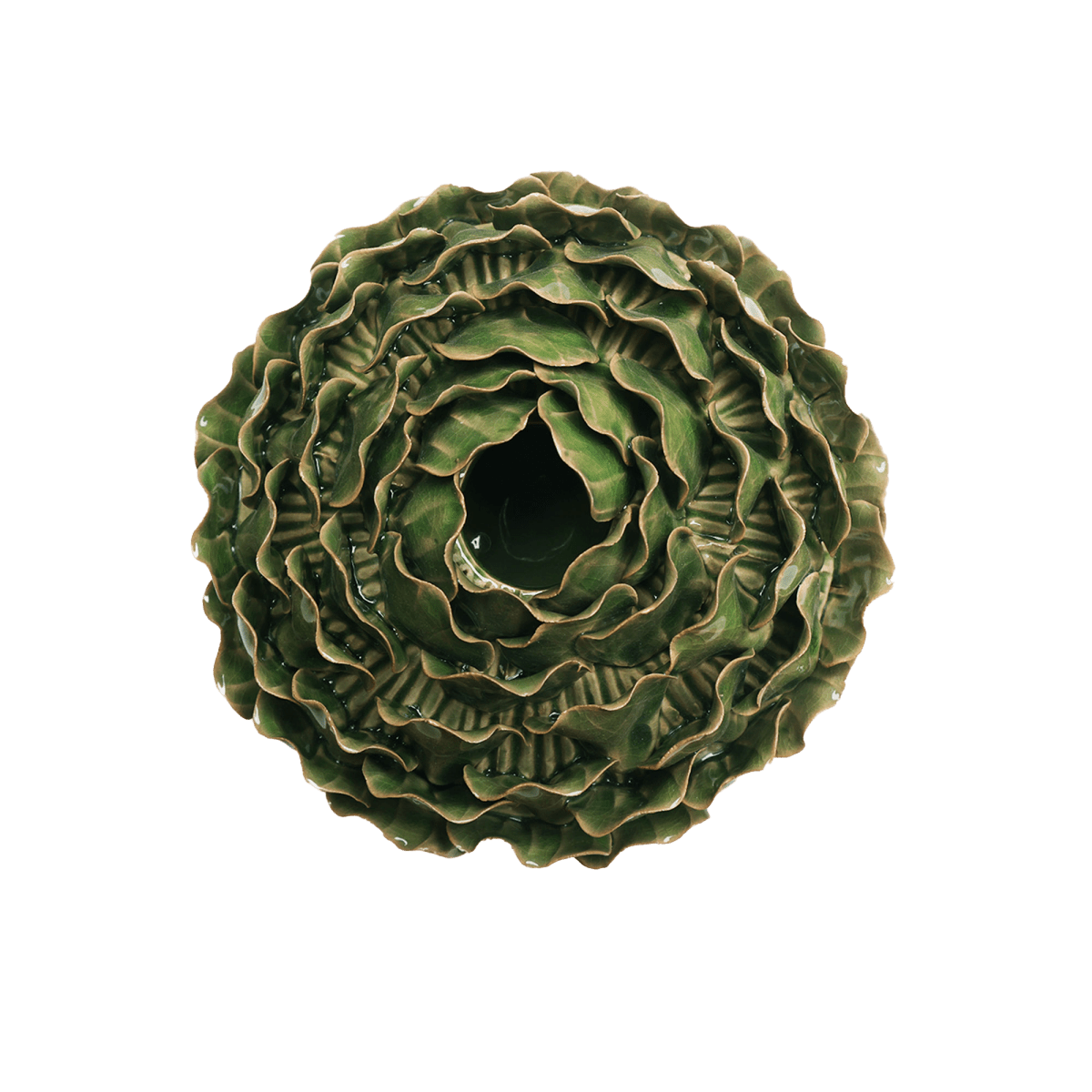
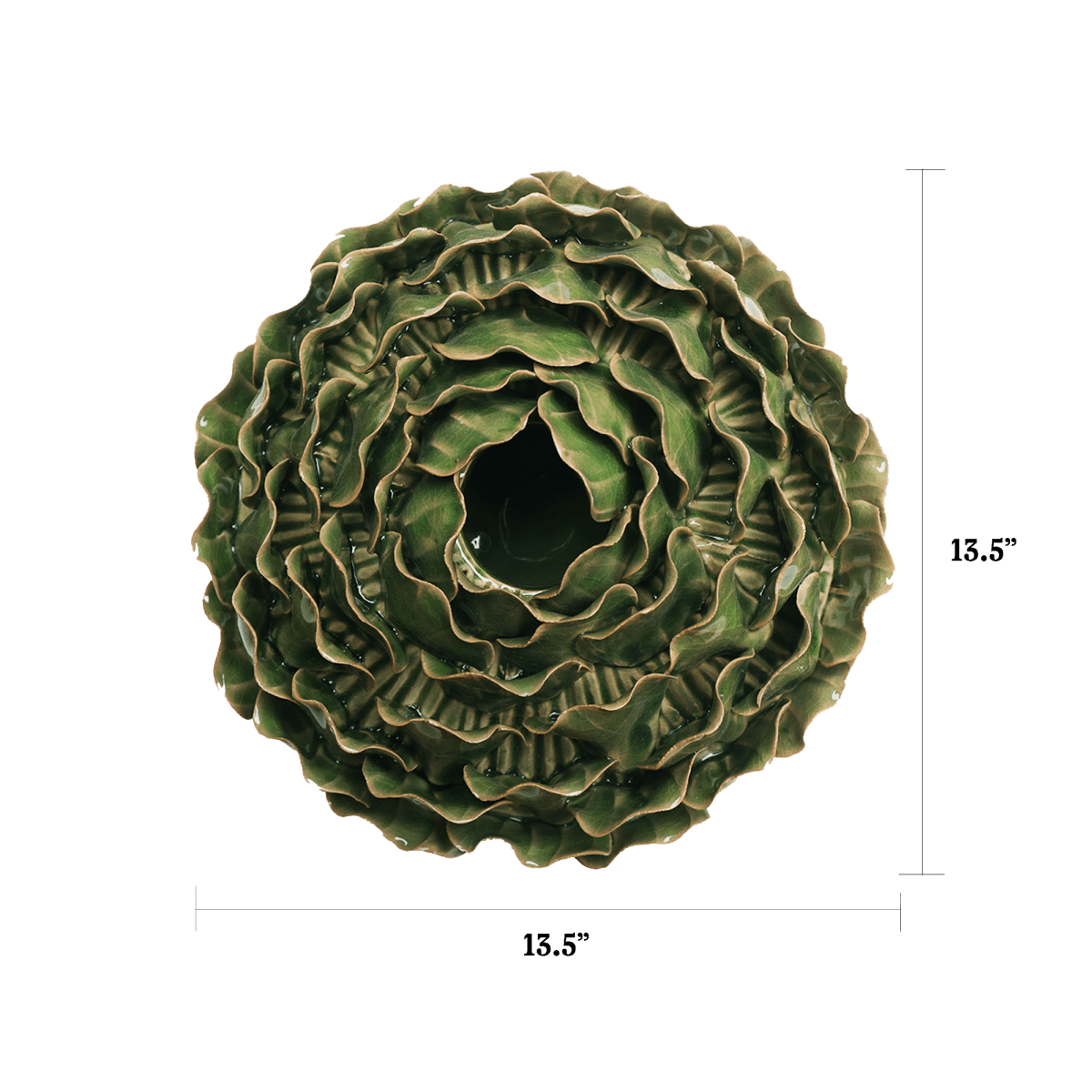
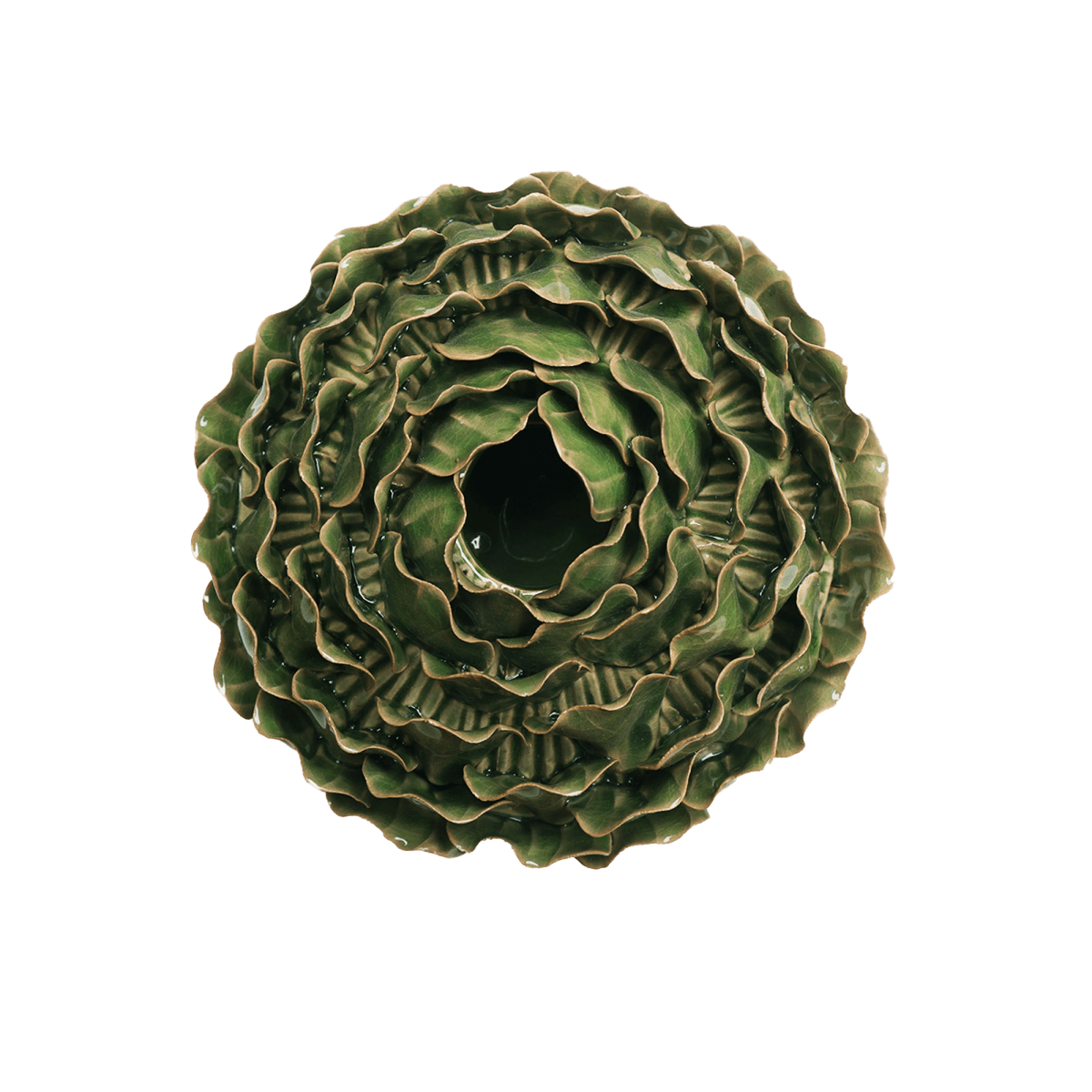
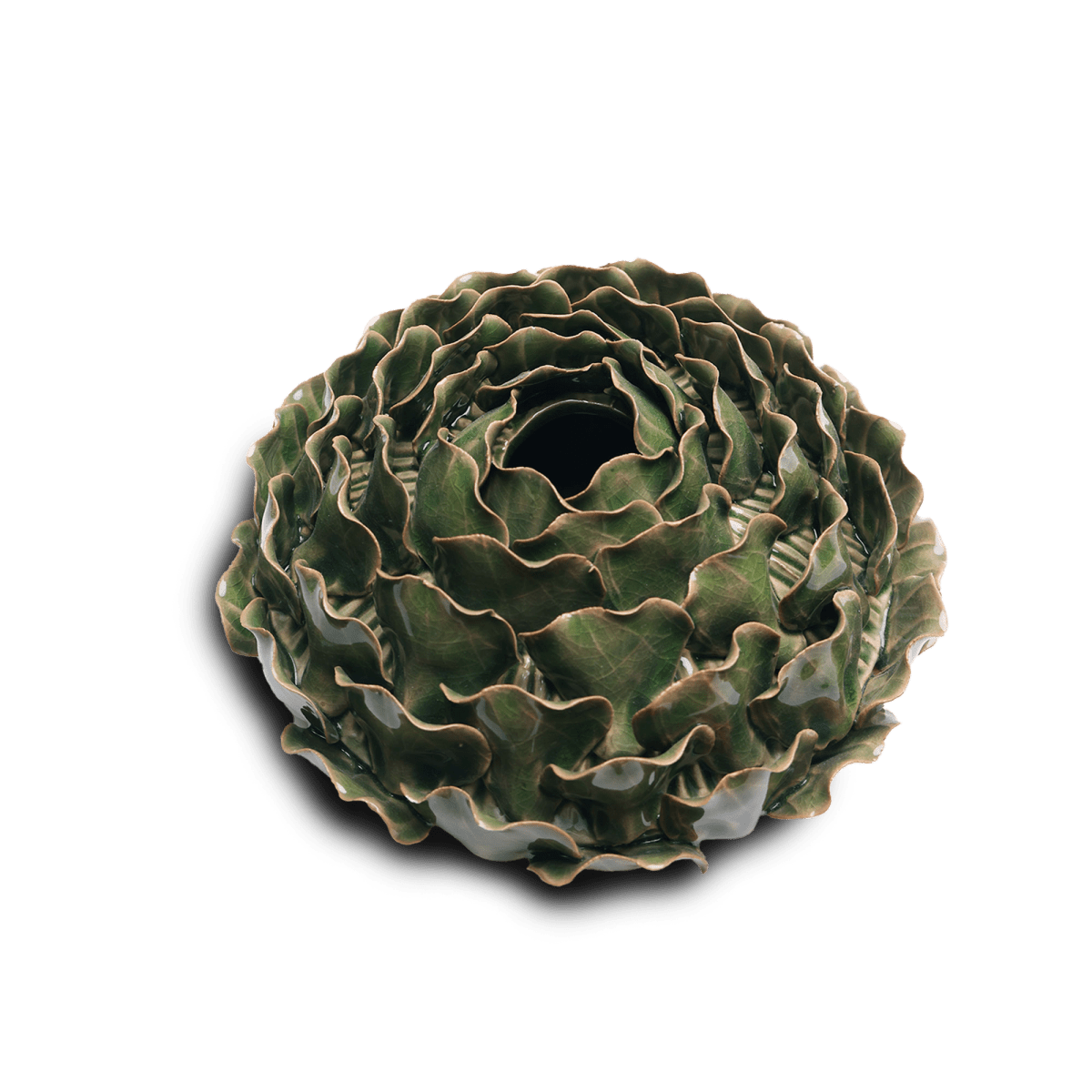
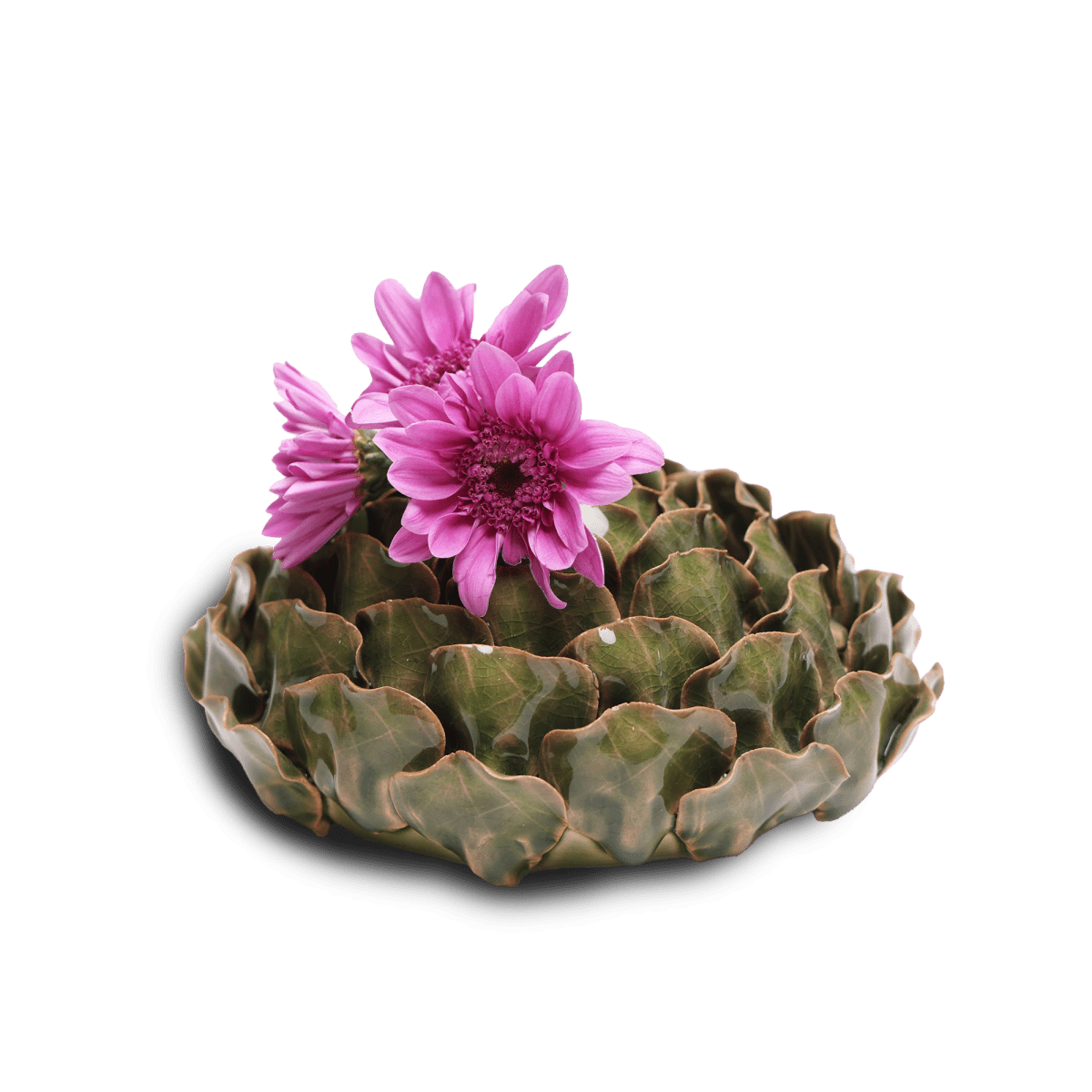
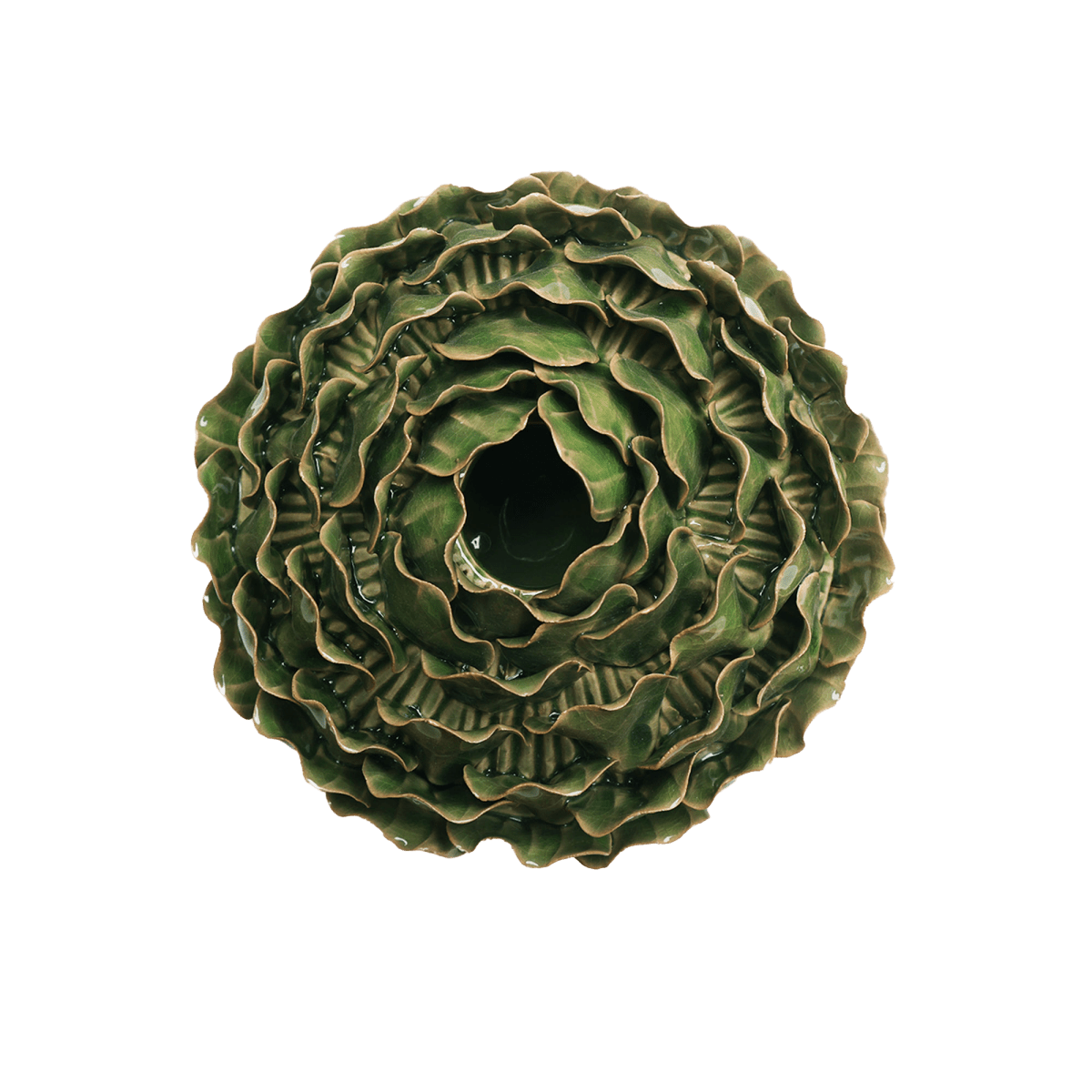
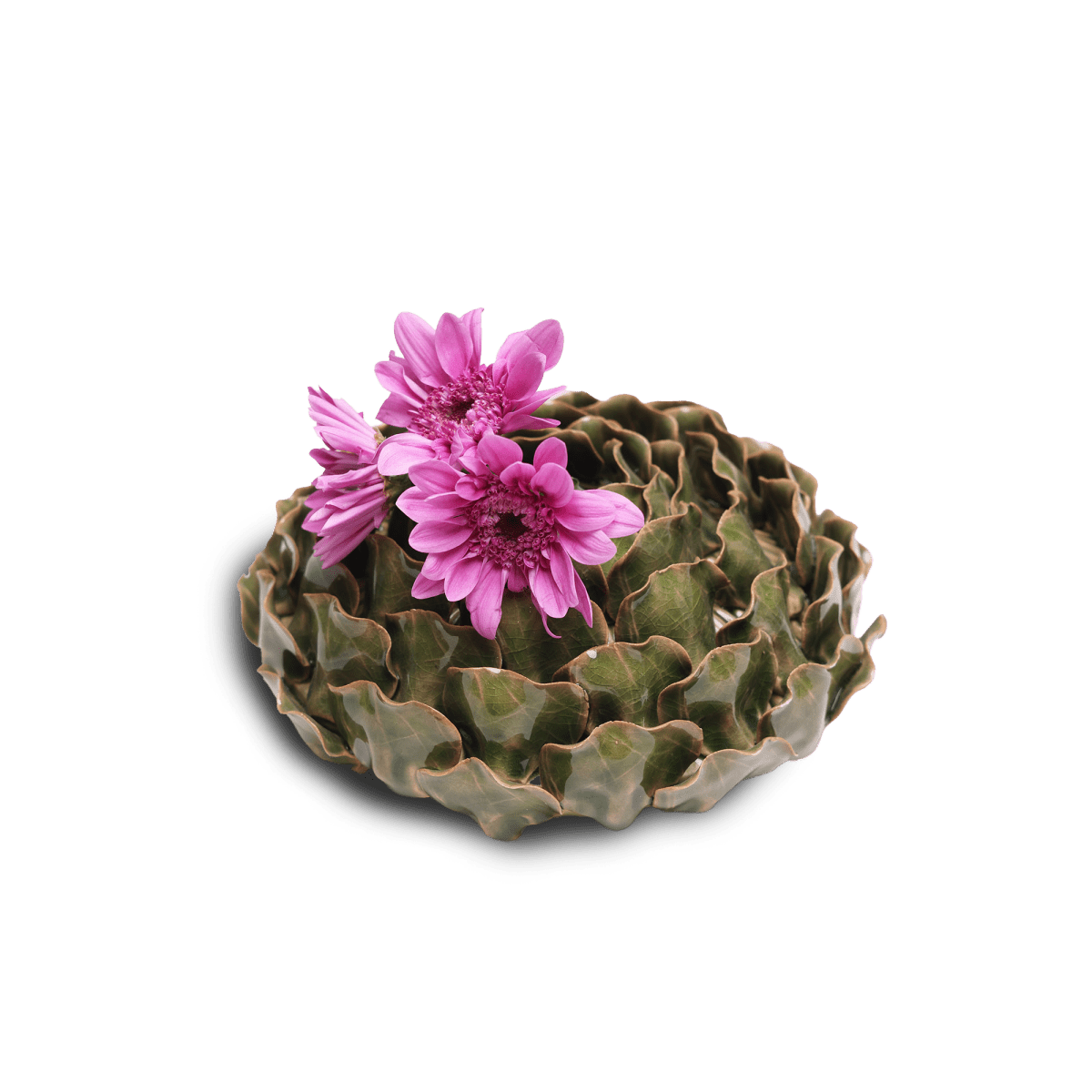
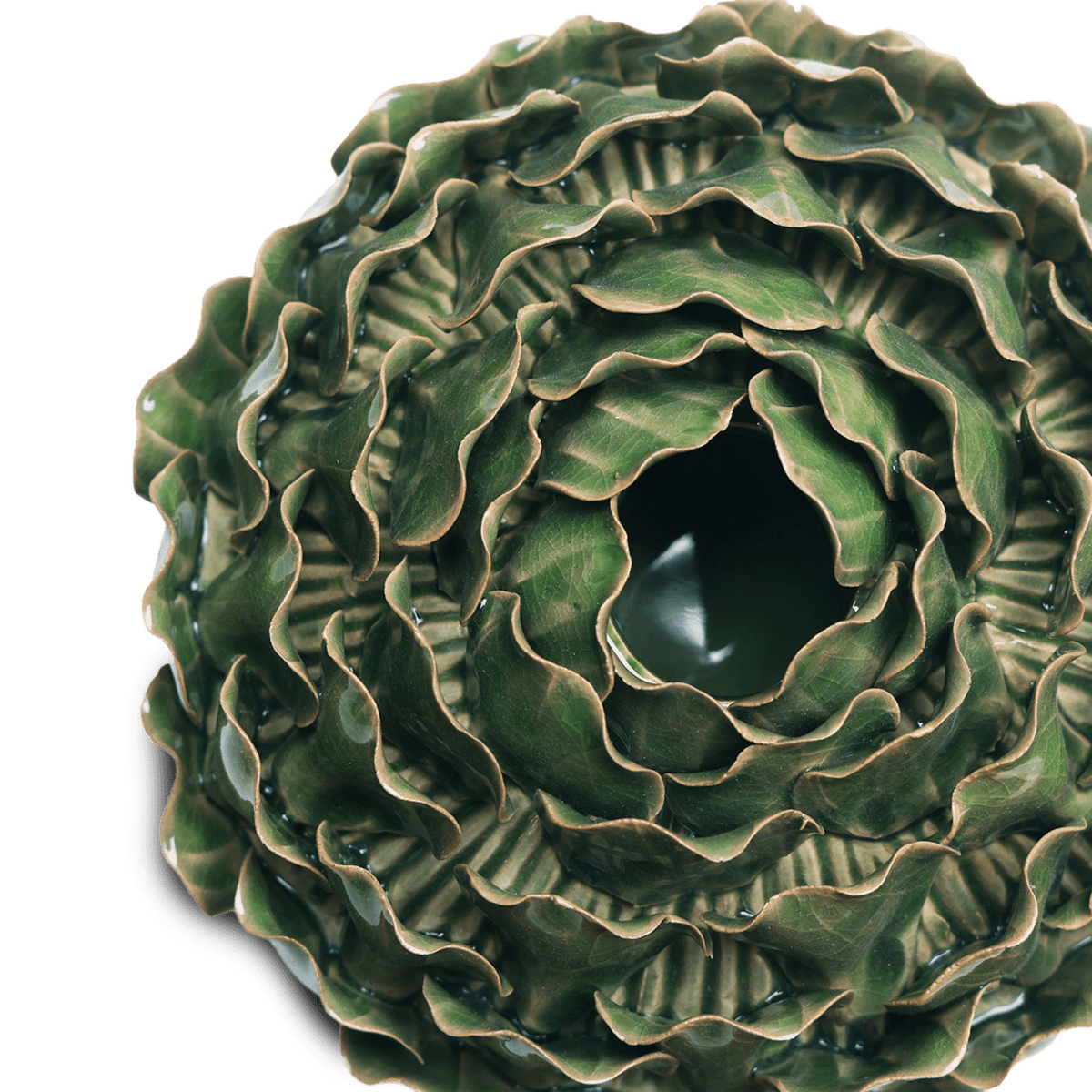
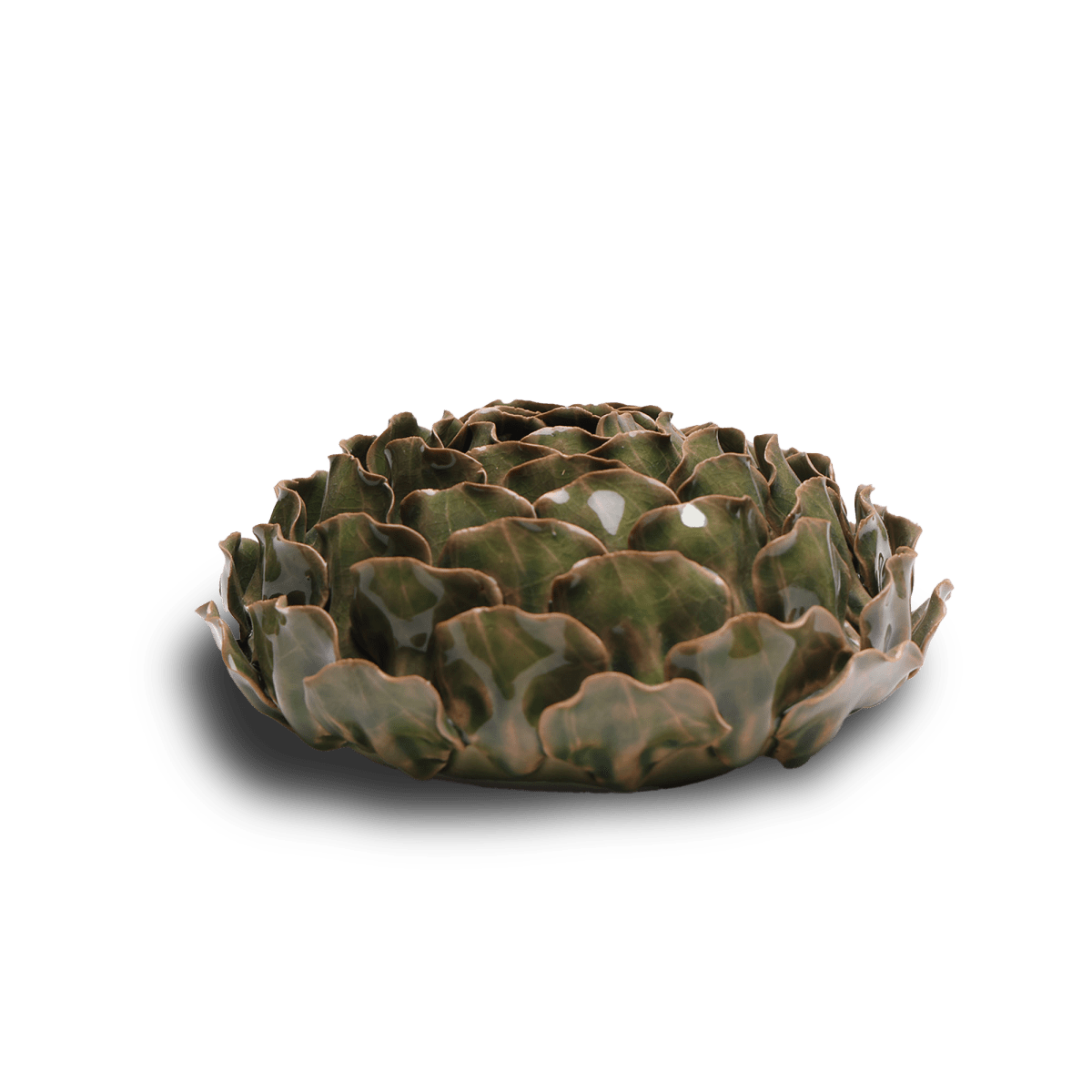
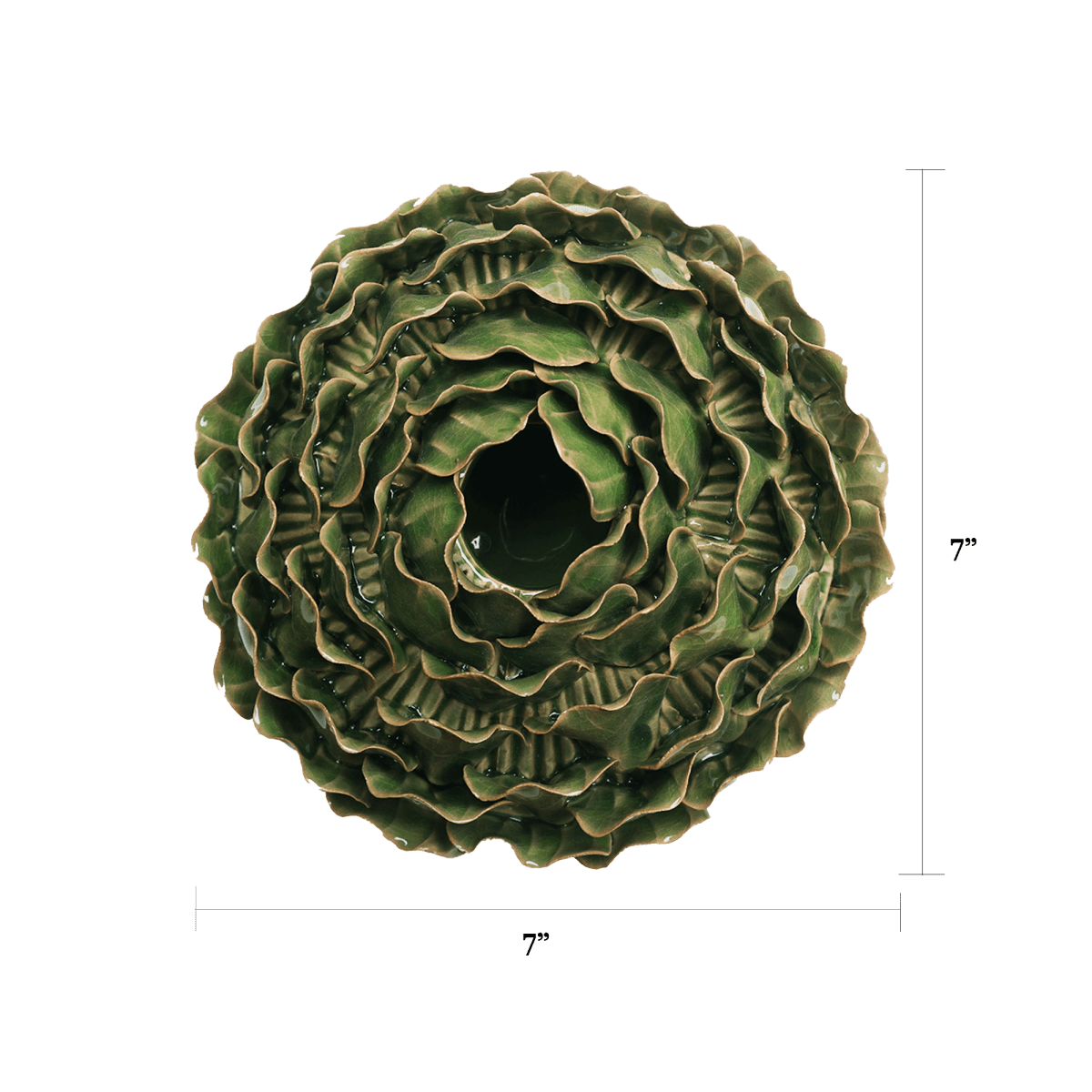
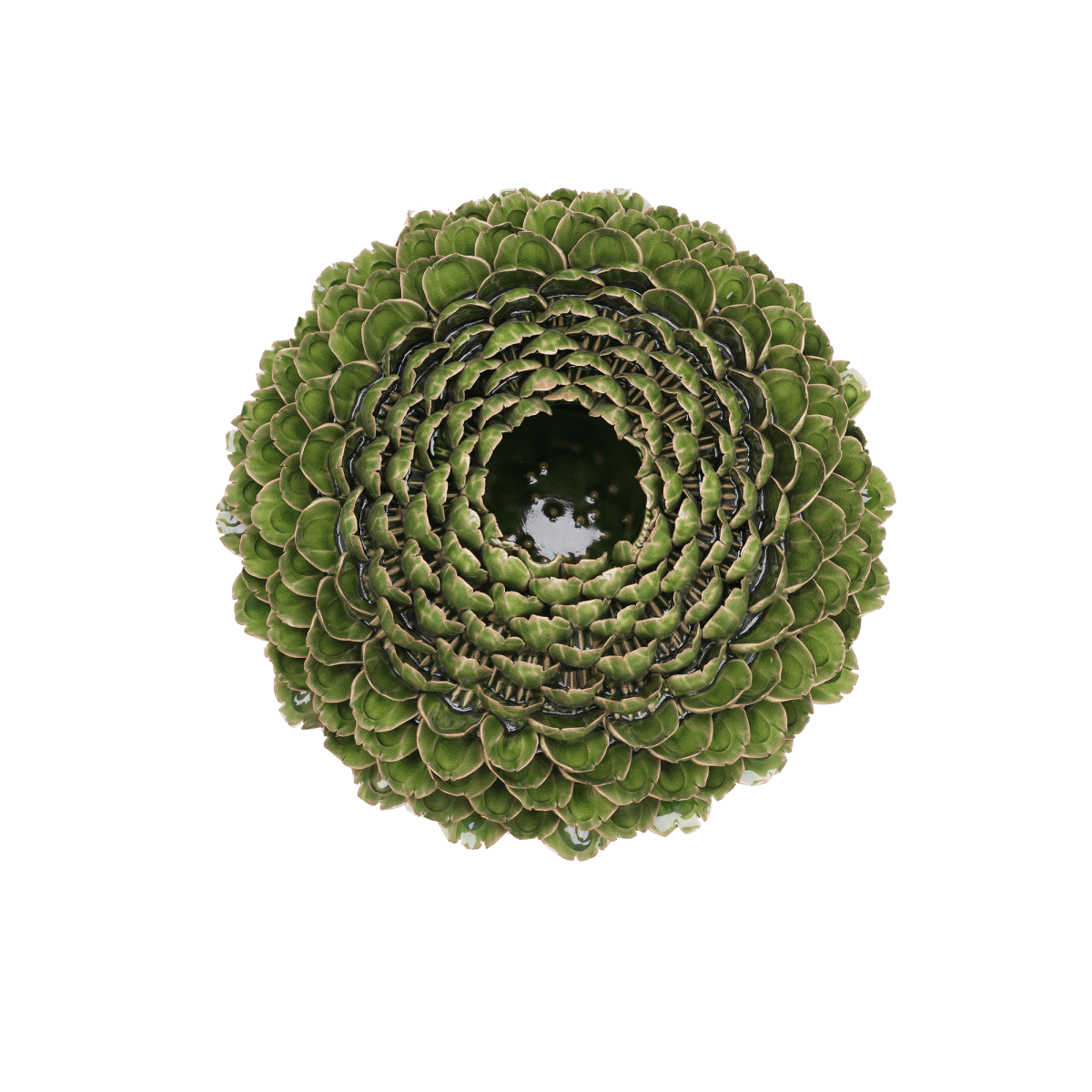
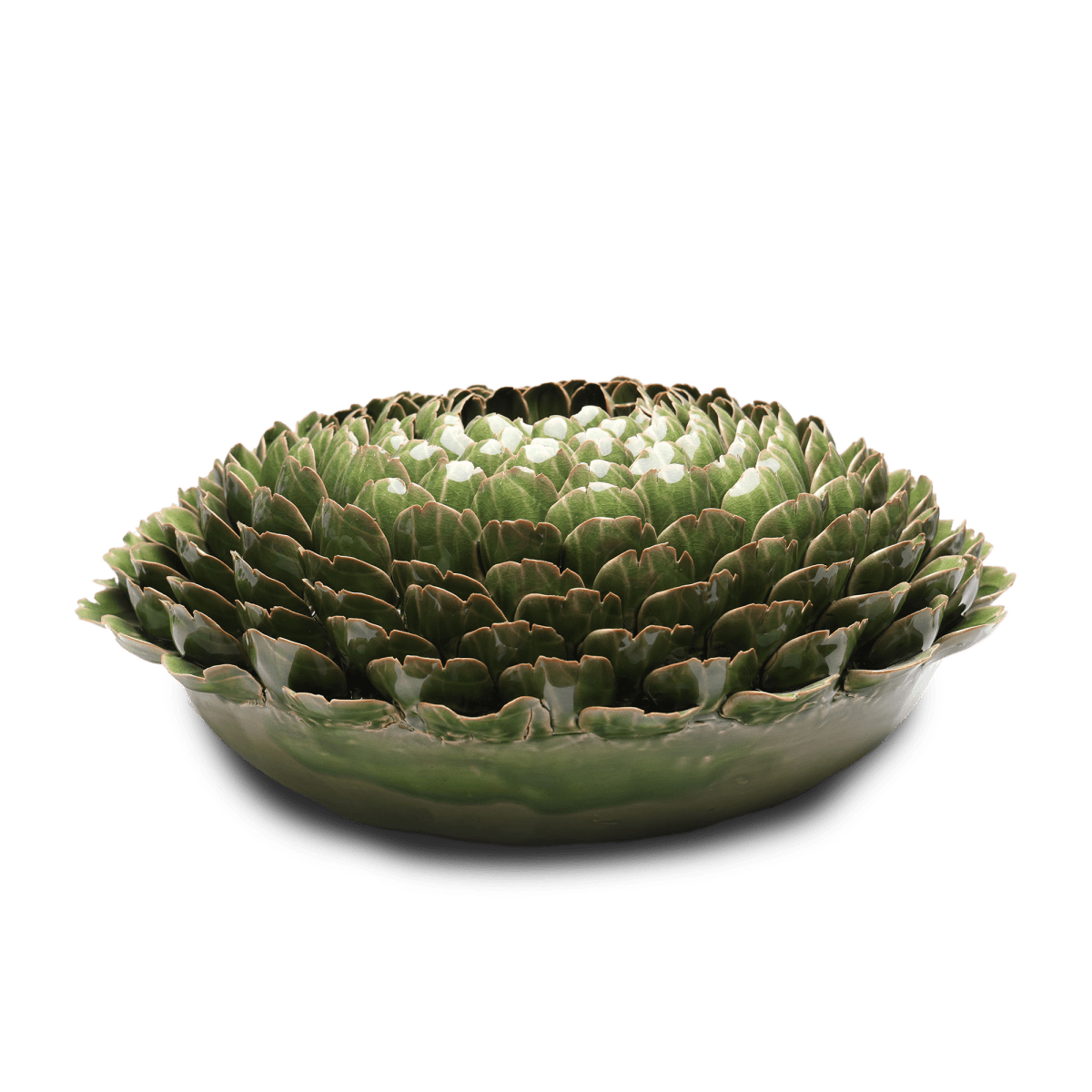
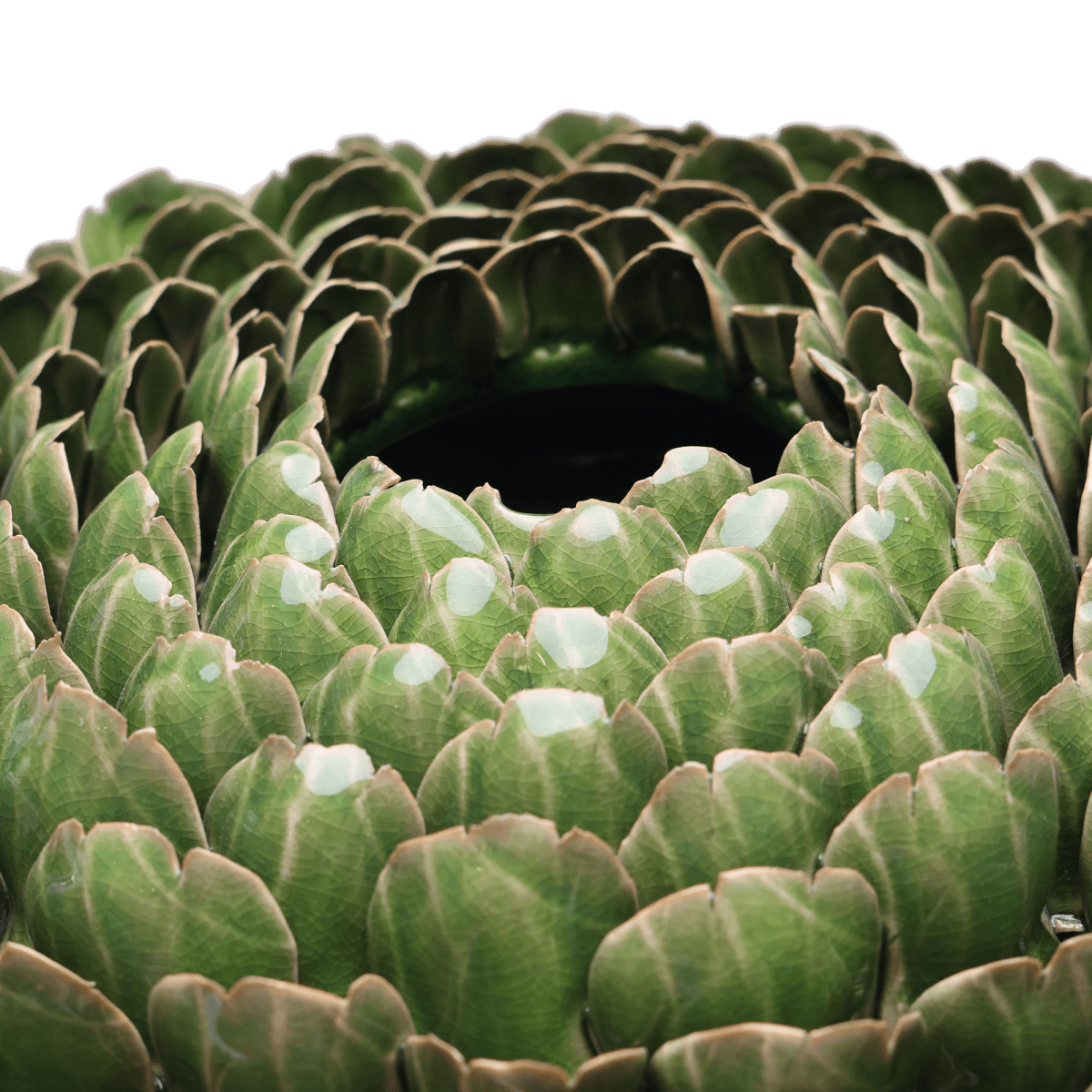
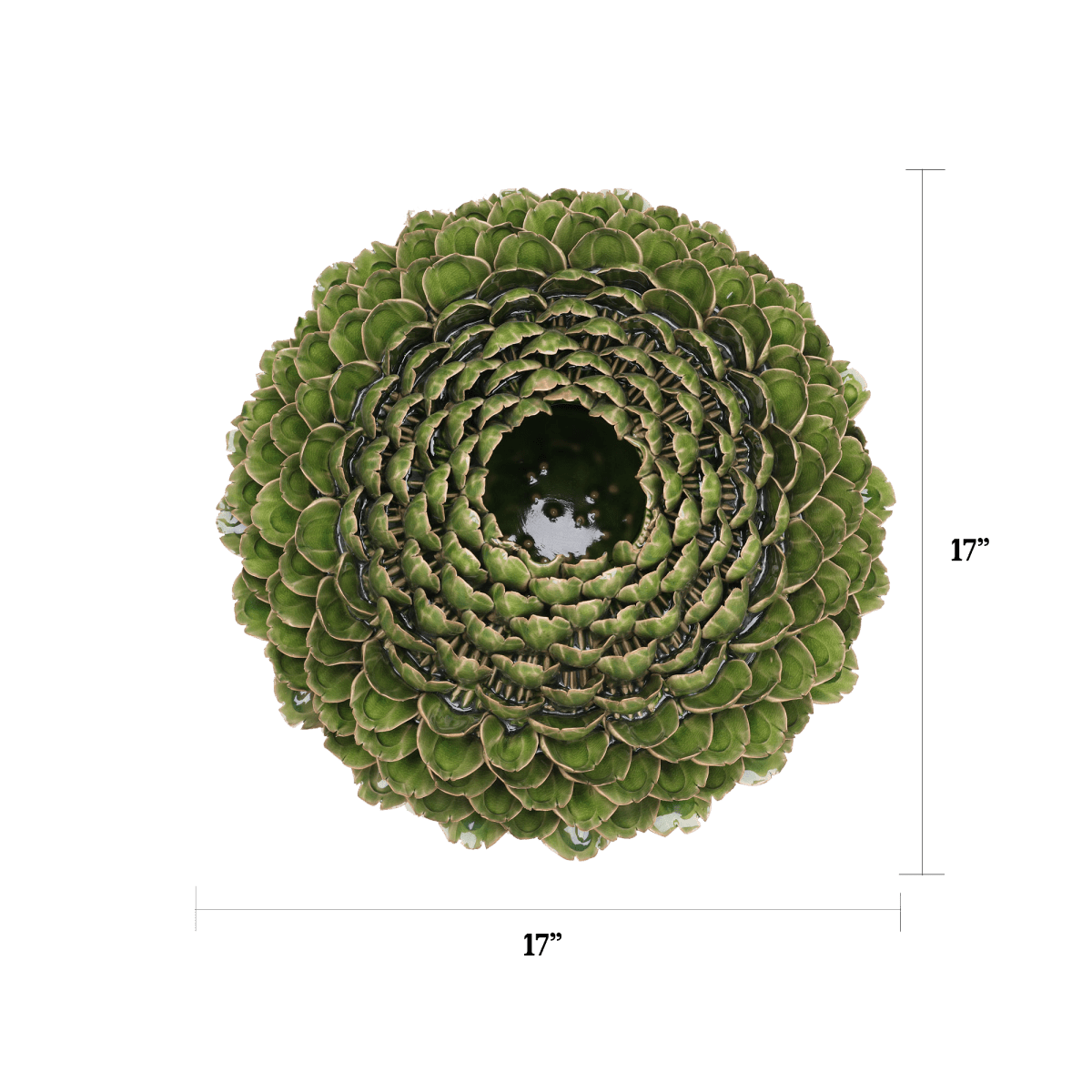
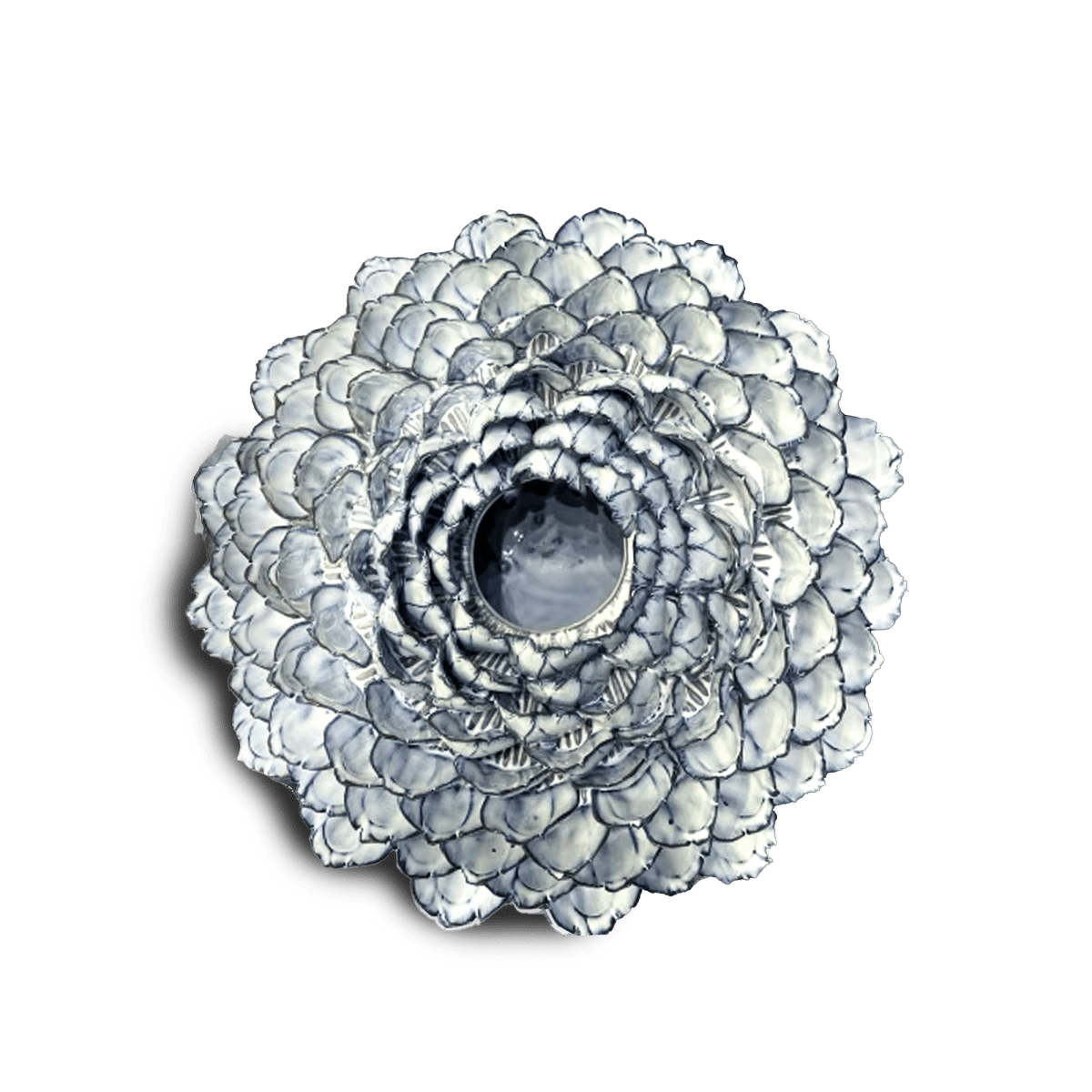
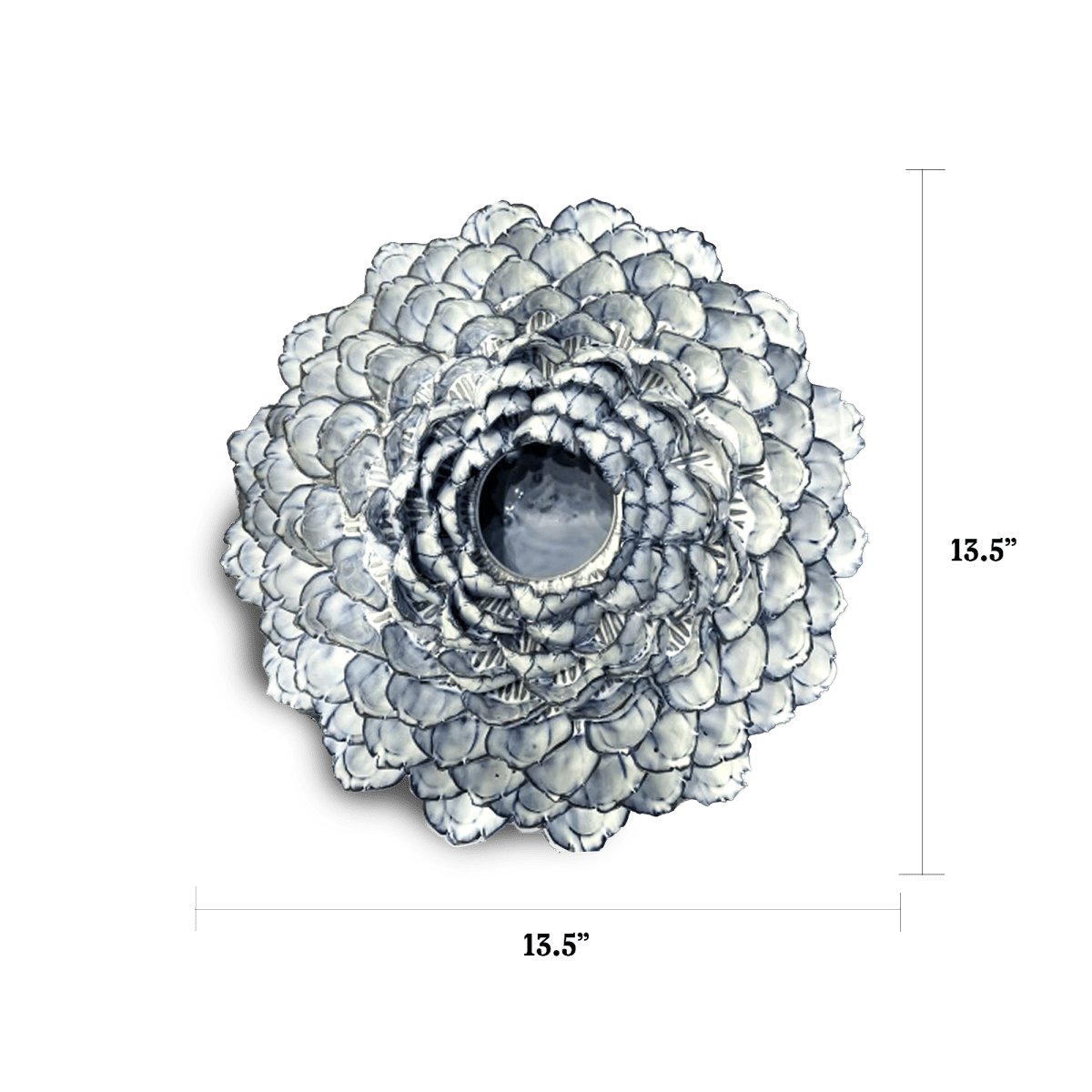
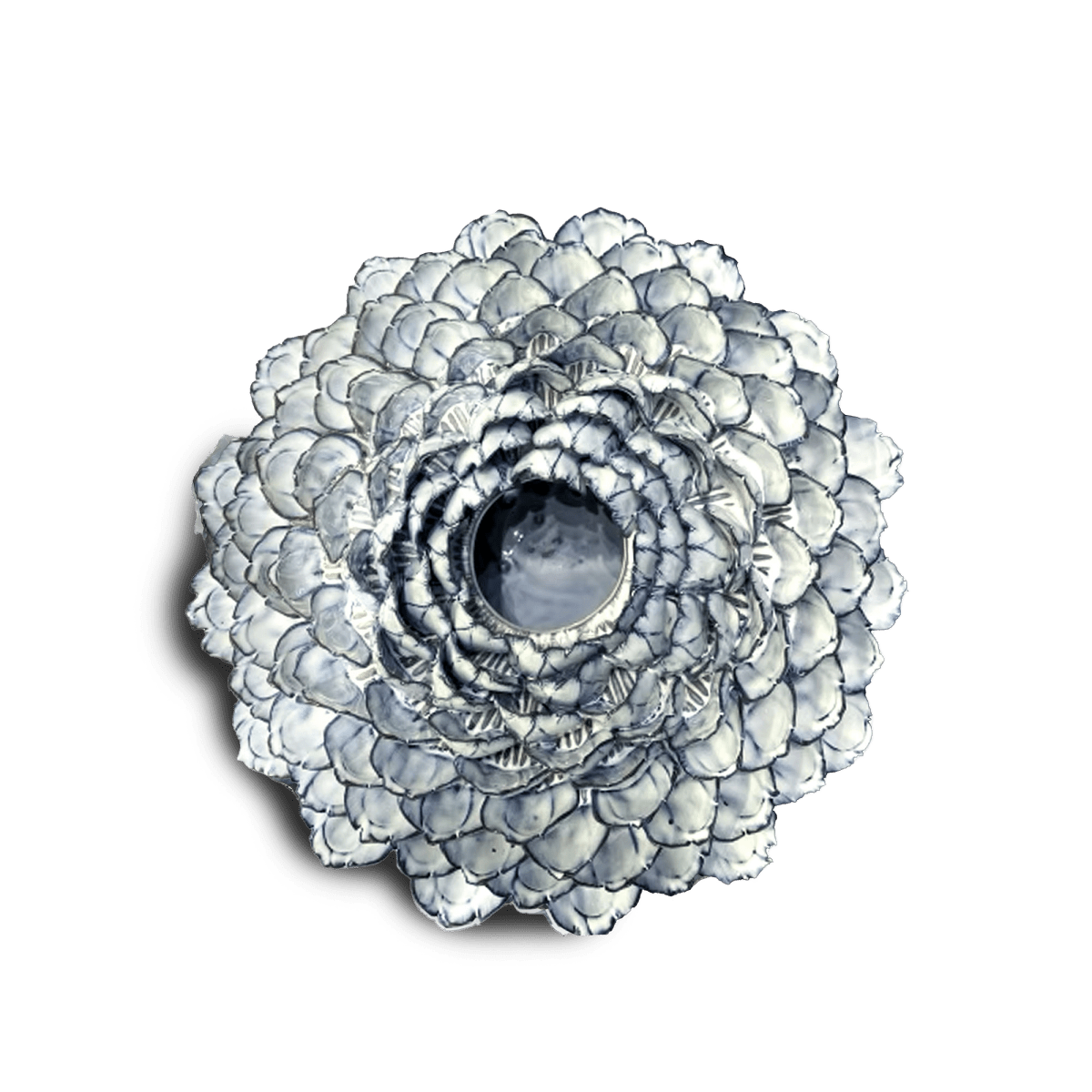
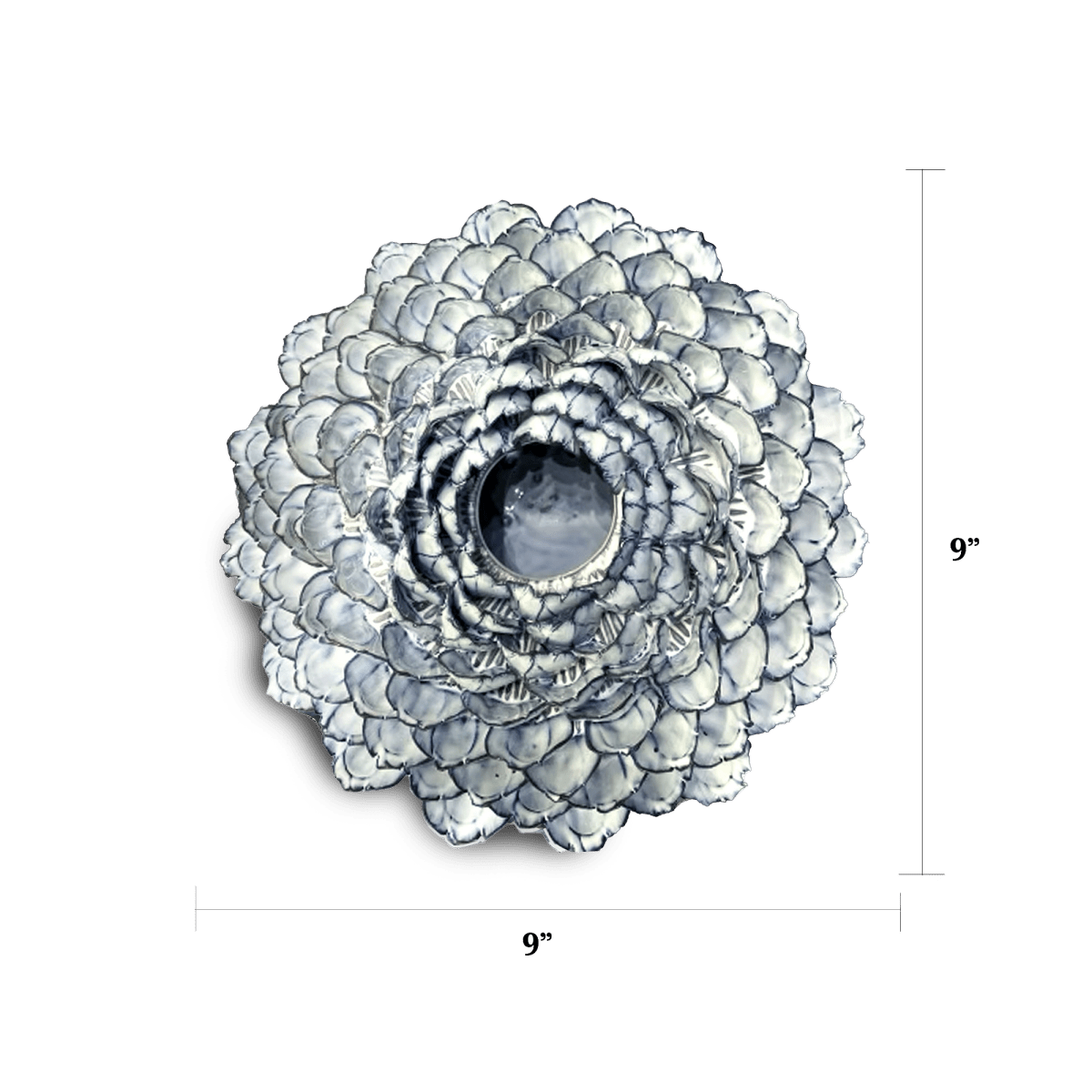
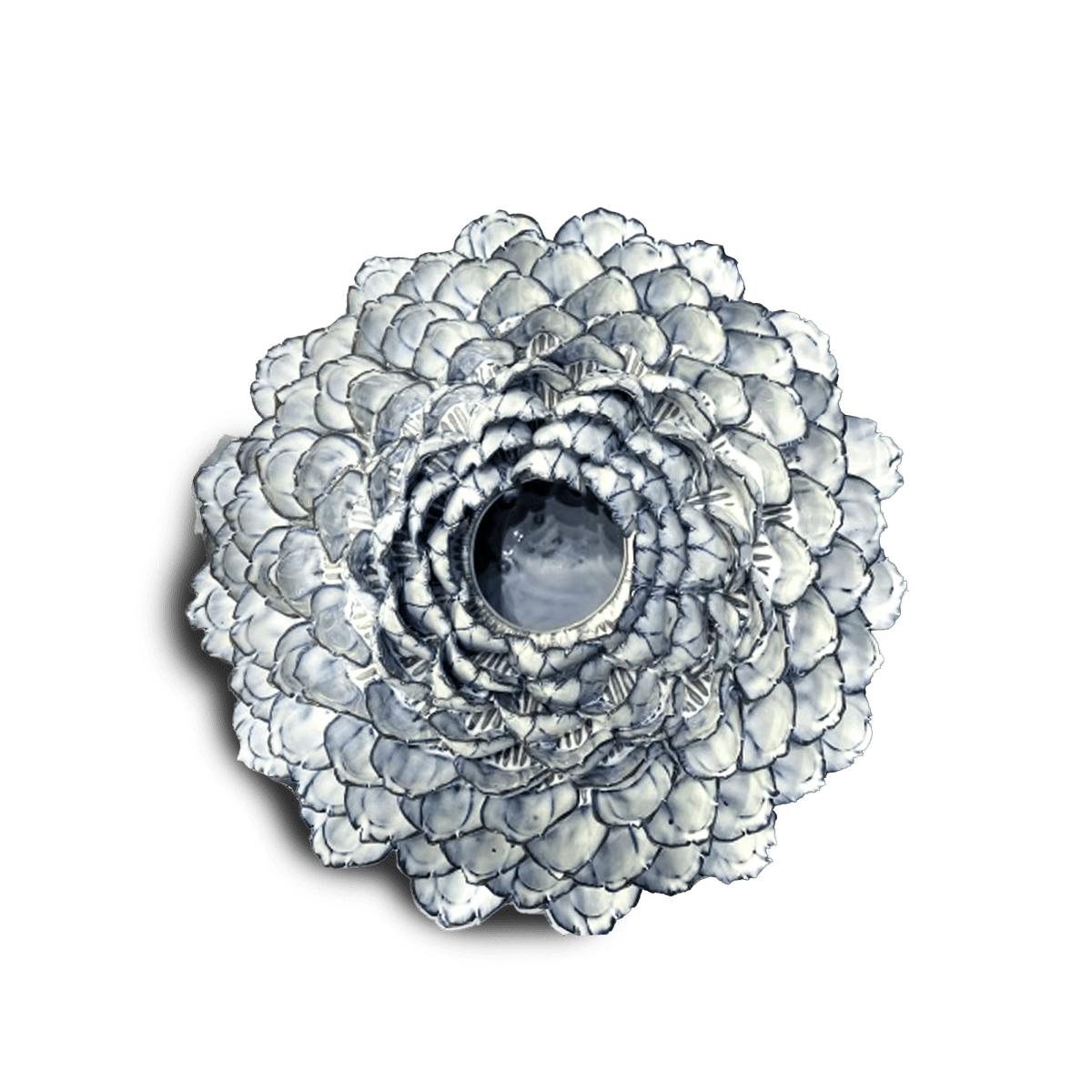
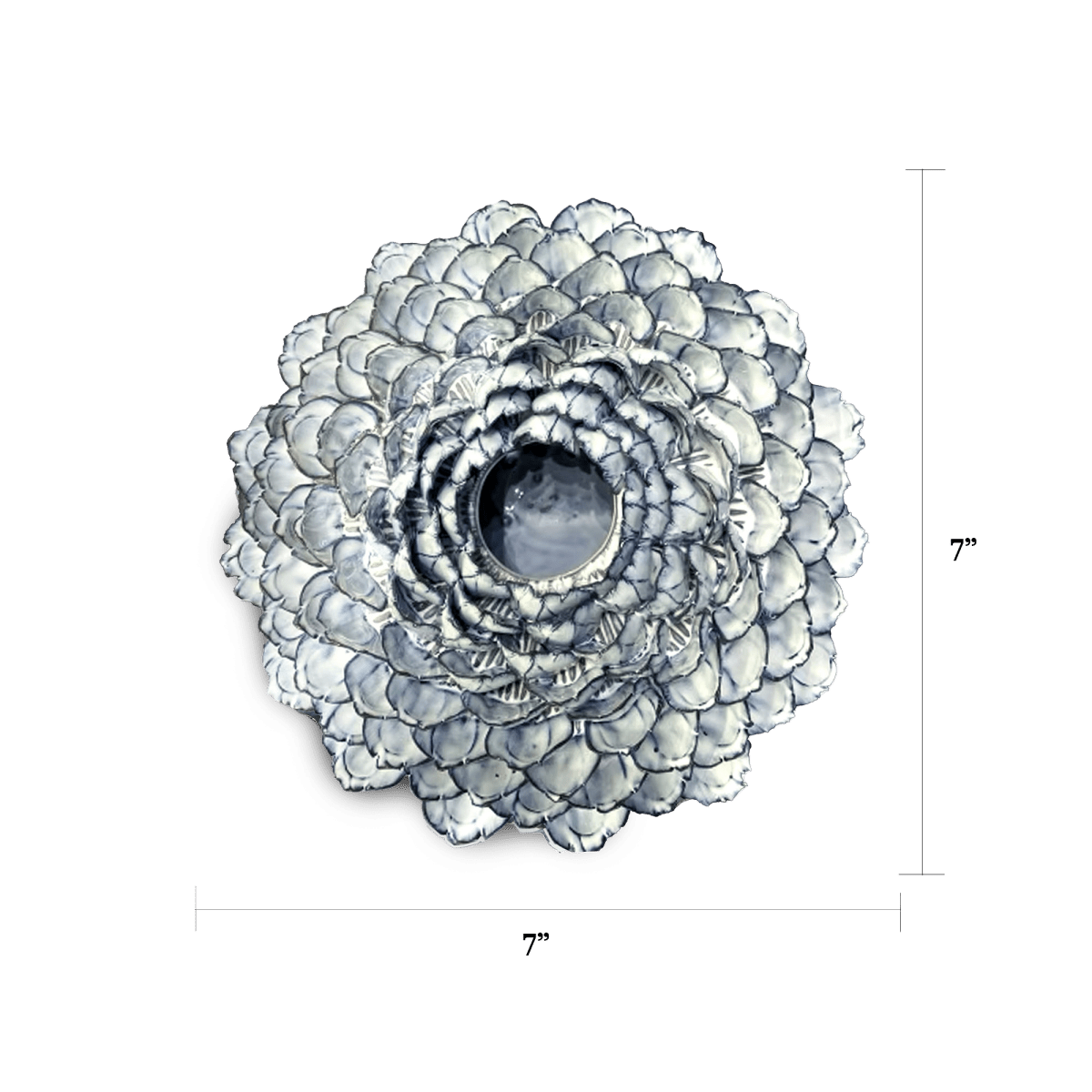
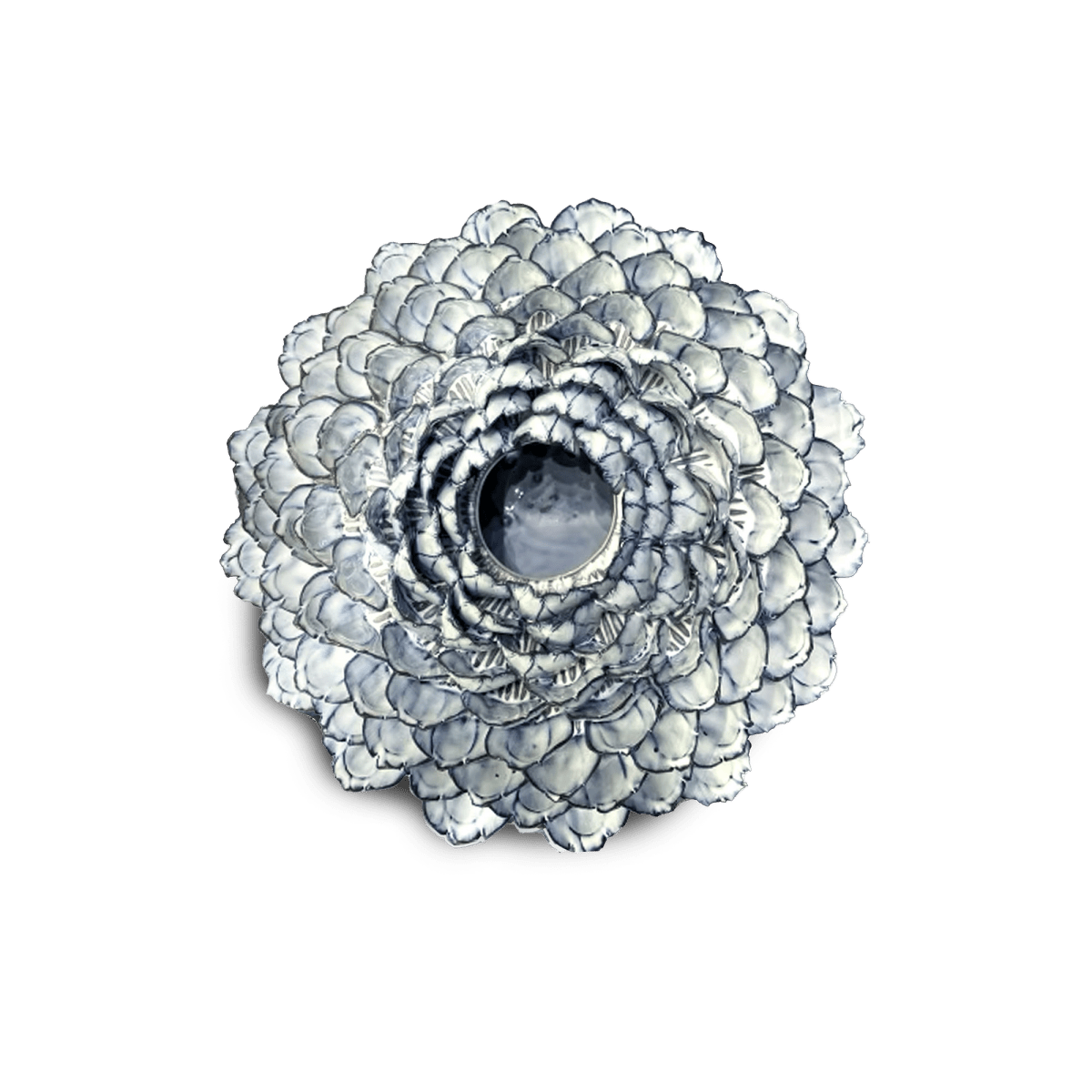
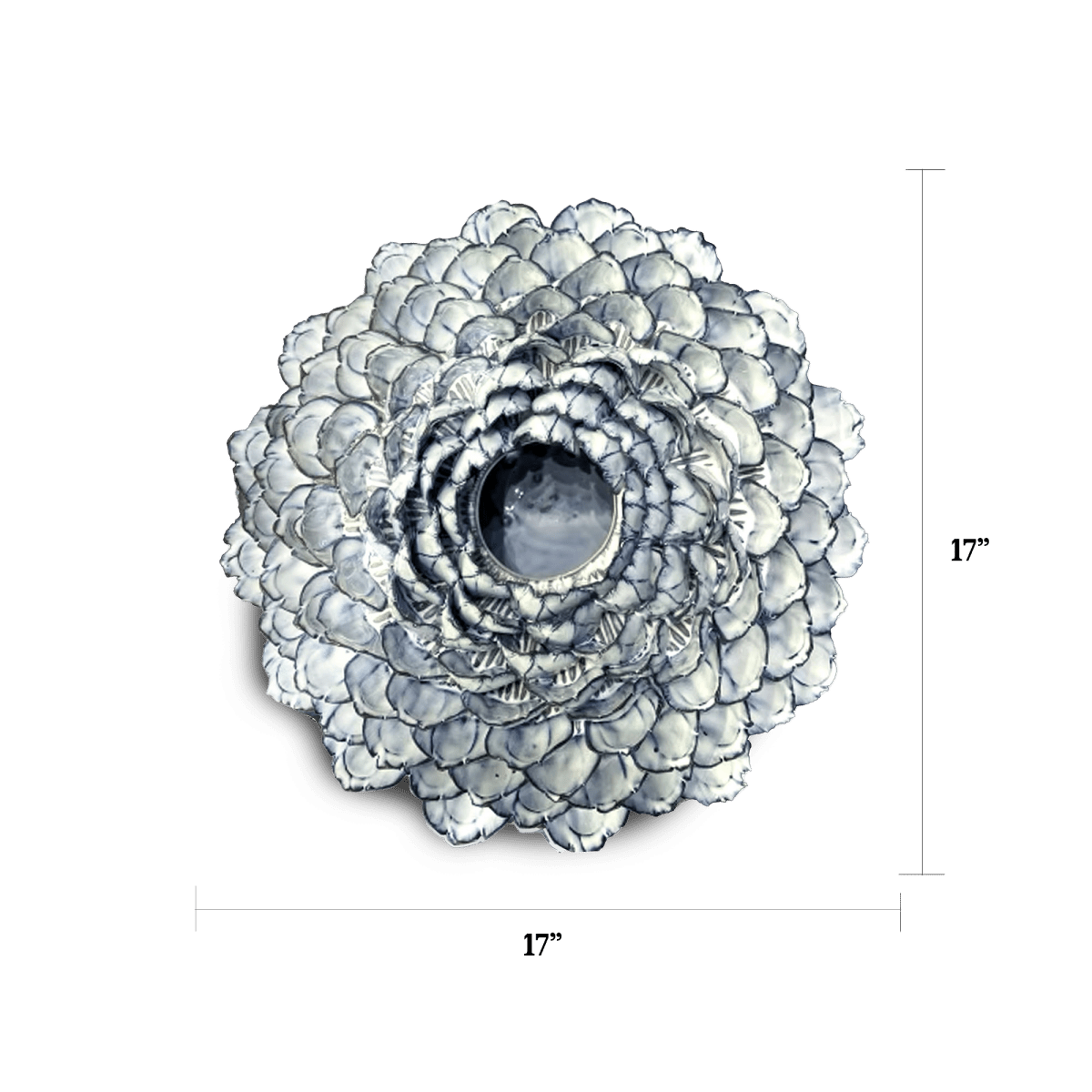
Ceramic earns its place in the vase conversation through physics before aesthetics. Mass at the base means a stem doesn't tip the vessel; opaque walls mean the water stays dark and the stems stay fresher. The Pooley is the small one — a bud vase for one stem or a handful, glazed in more than twenty colours from chartreuse to strawberry shortcake, built for the windowsill, the desk, the bedside table. Utopia is the object — a wide, low petal bowl in blue, green or white, made with the same hand techniques as the ceramic wall flowers, that holds a mantel empty as easily as it holds a peony.

Small-batch making leaves fingerprints, figuratively and occasionally literally. Glaze depth shifts slightly between firings; rims carry the evidence of the hand that finished them. A factory vase is consistent; a studio vase is specific, and specificity is what ends up on the mantel. Both are watertight and both are handwash only — the glaze rinses clean, and the dishwasher is the one thing we ask you to skip.

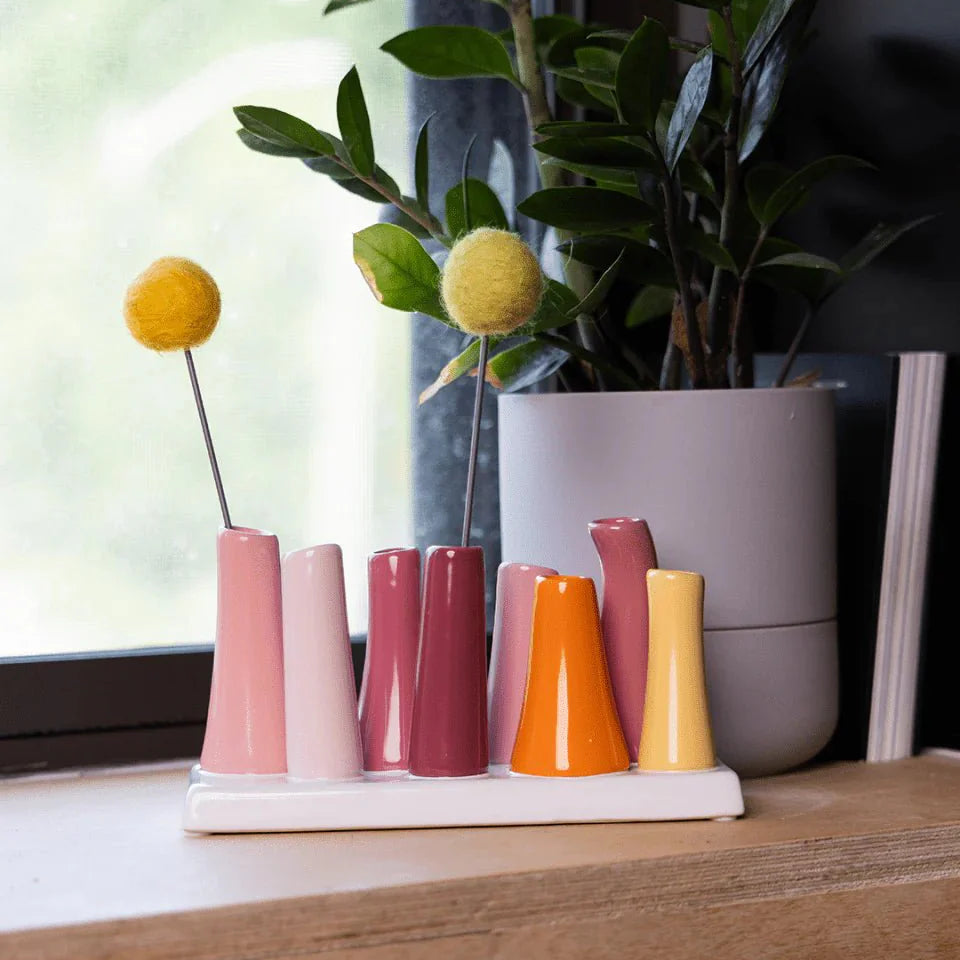
Chive ceramic pooley bud vase in colour orange, styled with fresh flowers, on a wood desk.

Handmade Ceramic Vase

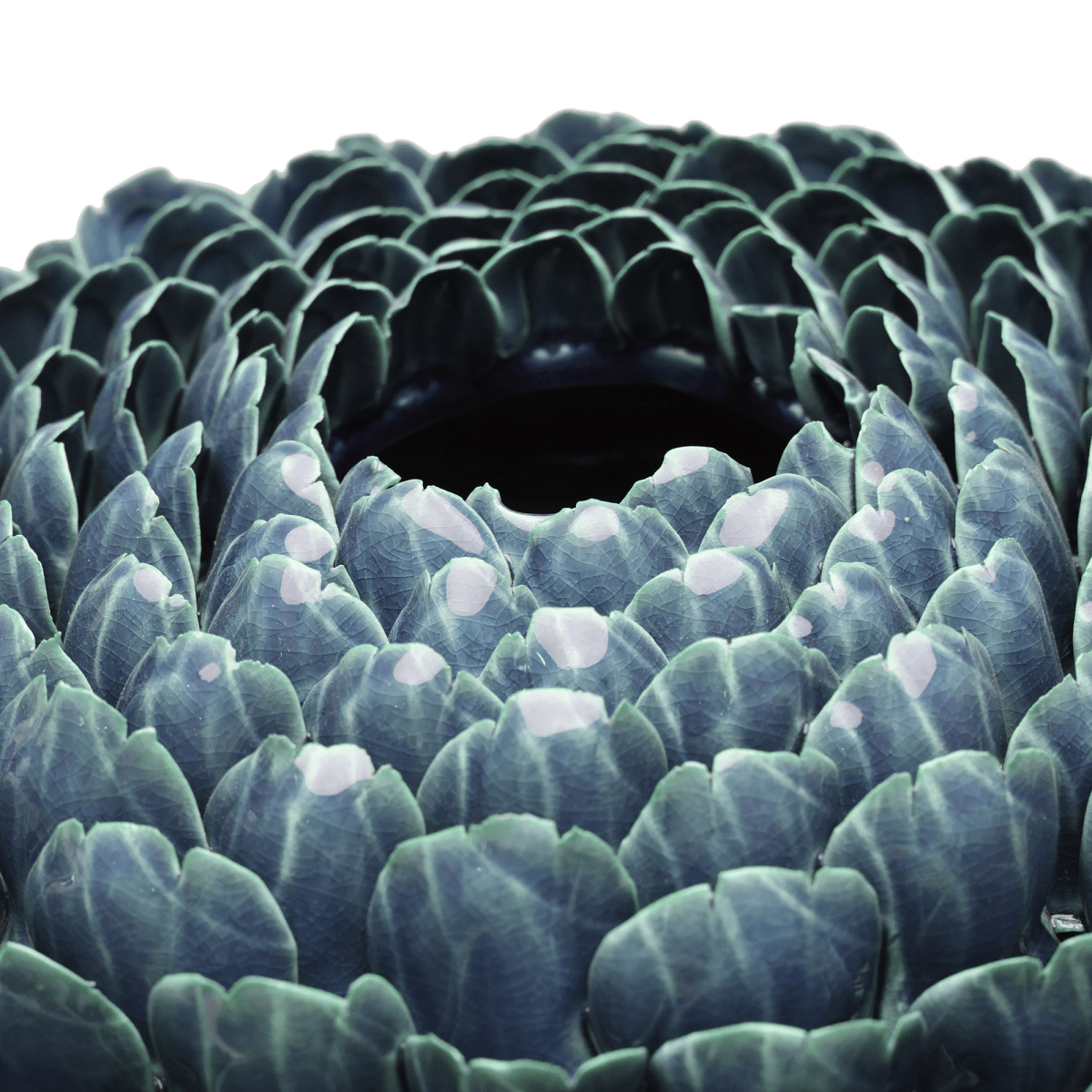
A handmade ceramic vase announces itself in the details mass production sands away — the faint asymmetry of a hand-finished rim, glaze that pools a shade deeper on one side, a weight that varies piece to piece. None of these are defects; they are the receipt. Utopia is built petal by petal and every one differs; the Pooley is glazed by hand in colours that shift slightly batch to batch. If two vases from this collection matched perfectly, one of them would be lying.

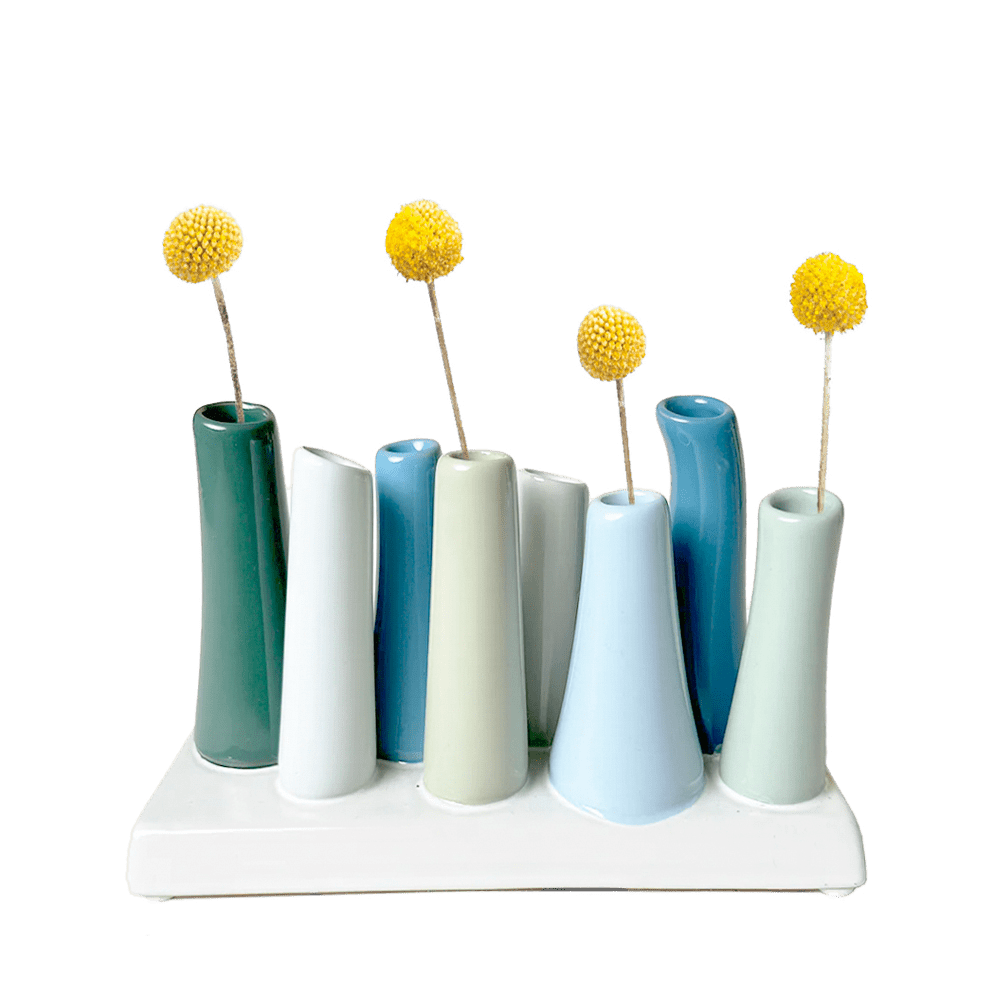
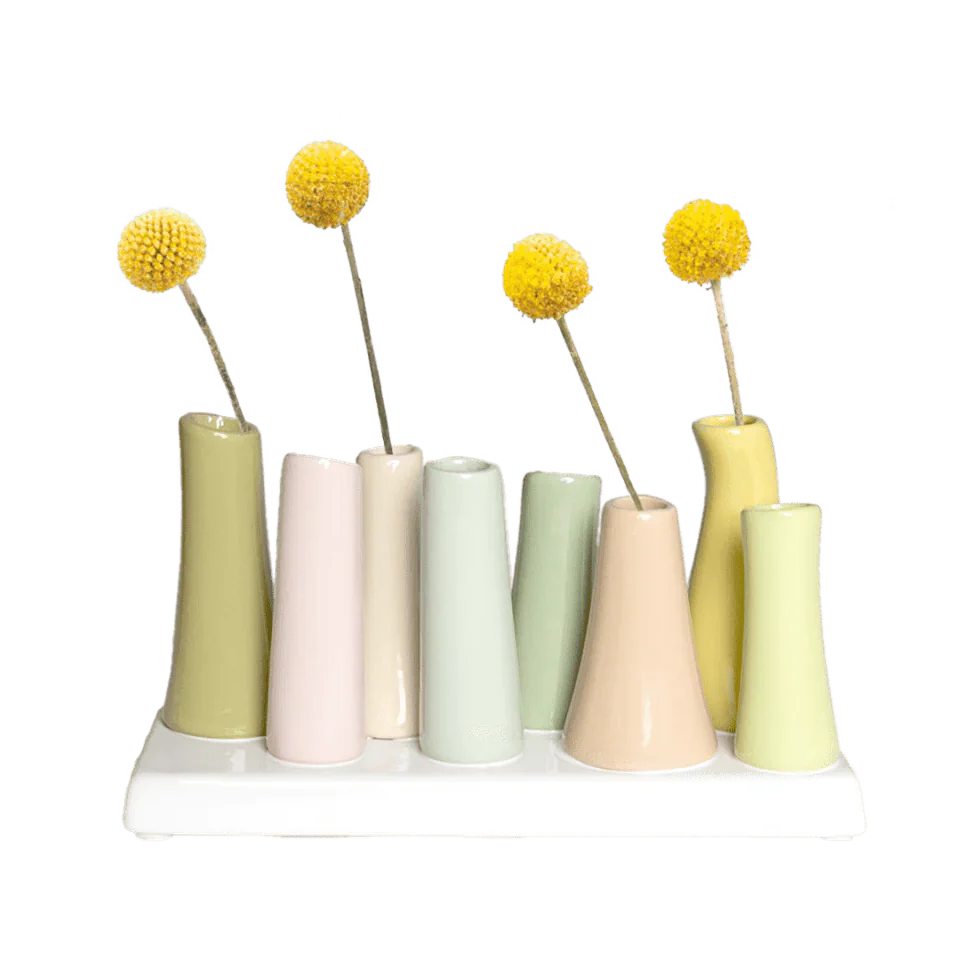
Chive ceramic pooley bud vase in color white, styled with fresh flowers, on a table.

Small Ceramic Vase

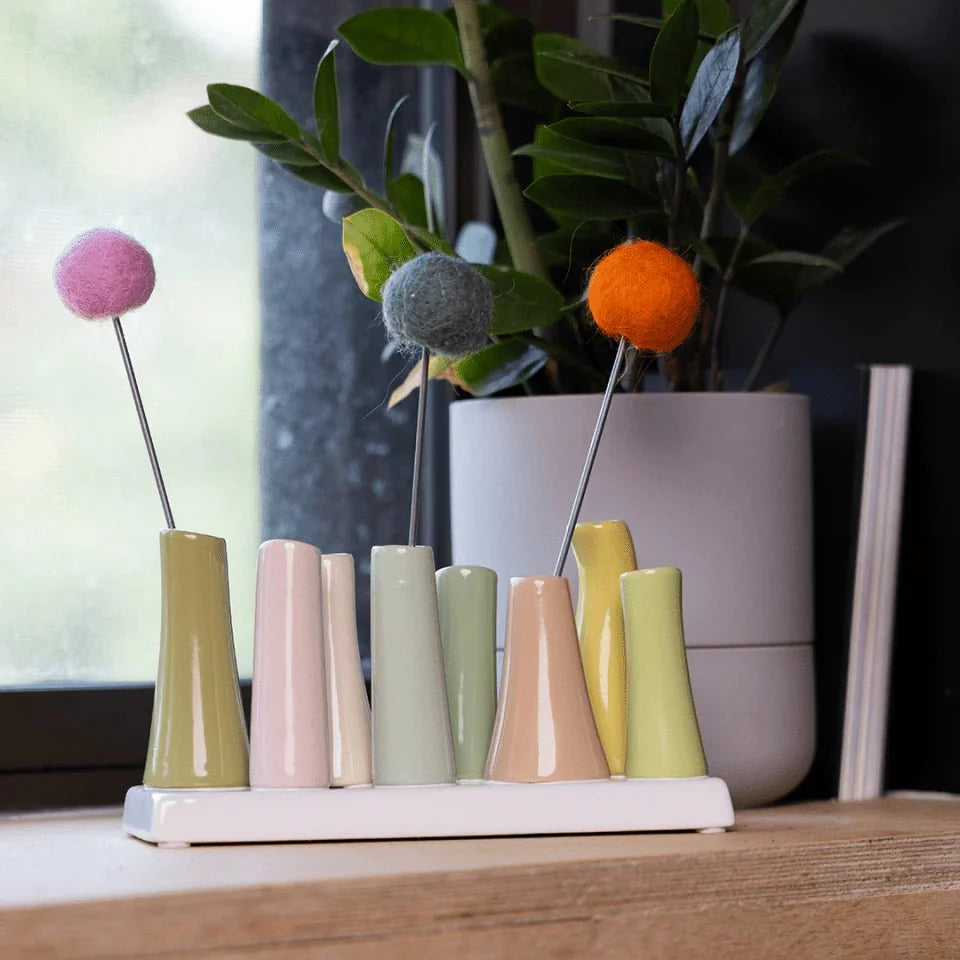
A small ceramic vase earns its position by occupying the spots larger arrangements cannot reach — a nightstand, a bathroom shelf, a kitchen windowsill, the narrow ledge above a radiator. The Pooley is that vase: a narrow-necked bud vase that makes one stem look like a decision, in a glaze chosen to match the room or to argue with it. One stem, one vessel, one surface that was empty until it was not. Small vases solve small spaces, which are the spaces forgotten first and noticed most once they are filled.

Exhibiting at the RHS Chelsea Flower Show since 2013; twice awarded the 5-star booth award — only two are given each year. Awarded a 4-star booth award at the 2026 show. Stocked in 200+ art galleries and botanical gardens worldwide. In the EU you will also find Chive at Boekhandel Dominicanen in Maastricht and Baden Baden in Brussels. Designed in Toronto since 2004, made by hand. Ships from Rotterdam, the Netherlands. No duties within the EU.

Reviewed by Todd Newgren, founder · Updated September 2026

Frequently asked questions about ceramic vases

What makes a ceramic flower vase better for stem support?

Weight — a ceramic flower vase holds more mass at the base than glass, which prevents tipping when stems are tall or top-heavy. The material also blocks light from the water, slowing algae growth and keeping stems fresher longer. Ceramic supports the arrangement from below by not moving and from within by not encouraging what grows in stagnant water. The vase stands its ground. The stems appreciate the commitment.

Are Chive ceramic vases dishwasher-safe?

No — handwash only. Both the Pooley and Utopia are glazed watertight and rinse clean under a tap; the dishwasher's heat and detergent are the one thing that can dull a hand-mixed glaze over time. Warm water, a soft cloth, done.

What defines a modern flower vase compared to traditional shapes?

Clean geometry, minimal decoration, and a form that serves the flower rather than competing with it — a modern flower vase tends toward cylinders, asymmetric curves, and matte or semi-gloss finishes rather than ornate patterns and heavy rims. The Pooley is the cylinder; Utopia is the curve. "Modern" in vases means the vessel recedes. The flower advances.

Does a white ceramic vase go with every flower colour?

Yes — a white ceramic vase functions as a neutral ground that makes every stem colour register more vividly against it. Bright flowers pop. Soft tones glow. Greens read as deliberate. Both the Pooley and Utopia come in white; the Pooley also comes in twenty-odd colours for rooms that want the vase to talk. White does not compete with the arrangement; it frames it.

What counts as a unique flower vase worth displaying empty?

A unique flower vase worth displaying empty is one whose shape, glaze, or form has enough visual interest to hold a shelf without flowers, without apology, and without the faintly accusatory air of a container that is clearly waiting for someone to fill it. Utopia was designed to work both ways — full is the intended state, but empty is not a failure. It is a rest. Some days it looks better empty than with flowers, which the studio regards as either a compliment to the potter or an indictment of the gardener. We have chosen not to investigate which.

How do pottery vases differ from mass-produced ceramic pieces?

A pottery vase from a small studio is shaped, glazed, and fired with individual attention at every stage — pottery vases carry slight variations in glaze depth, rim shape, and weight that mass production eliminates by design. The variation is evidence of the human hand, not a defect in the output. A factory piece is consistent. A studio piece is specific. Consistency is admirable. Specificity is what people actually put on the mantel.

Where should a small ceramic vase sit in a room?

On the surface that needs one small thing — a nightstand, a bathroom shelf, a kitchen windowsill, the narrow ledge above a radiator. A small ceramic vase like the Pooley earns its position by occupying the spots larger arrangements cannot reach. One stem, one vessel, one surface that was empty until it was not.

How big is the Utopia ceramic flower vase?

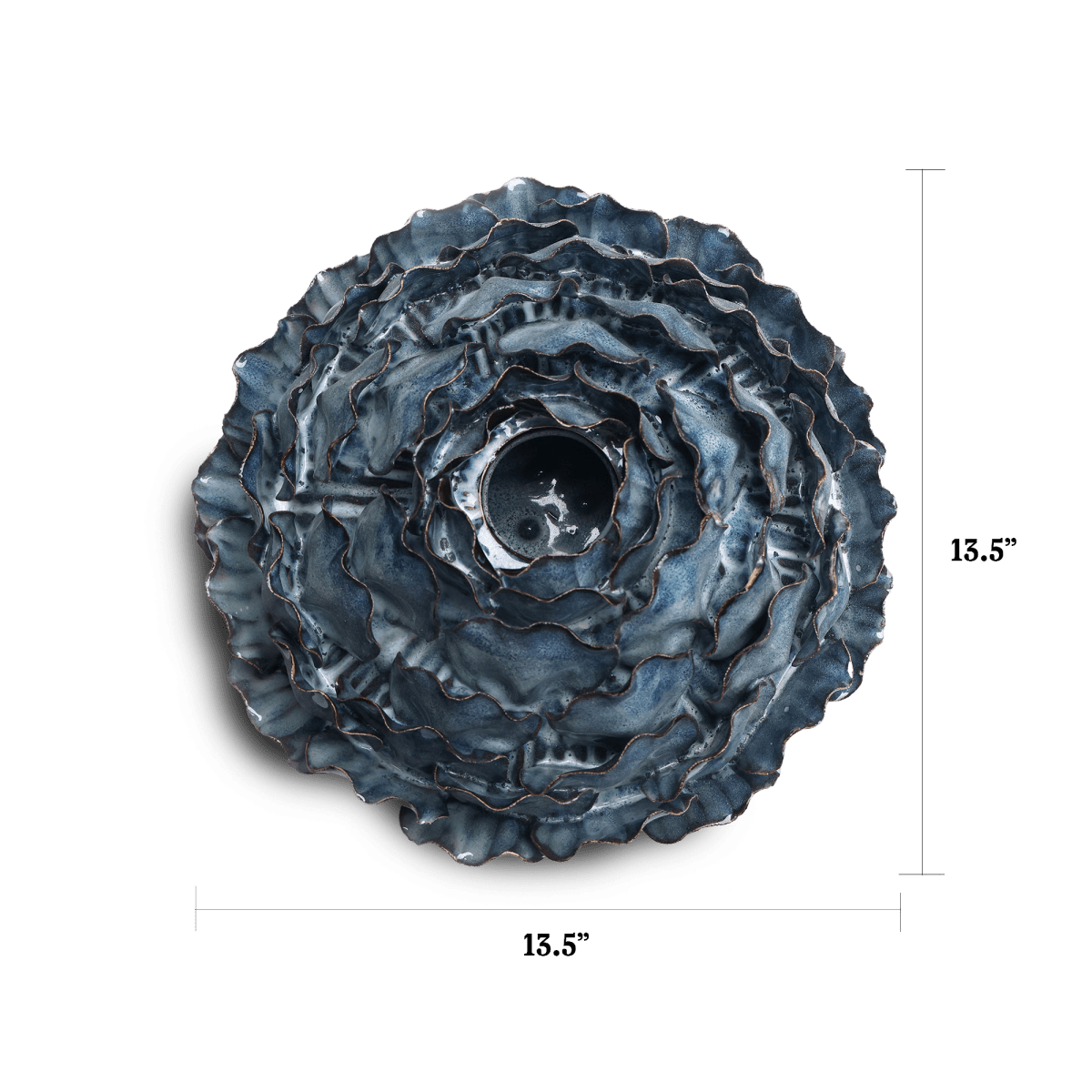
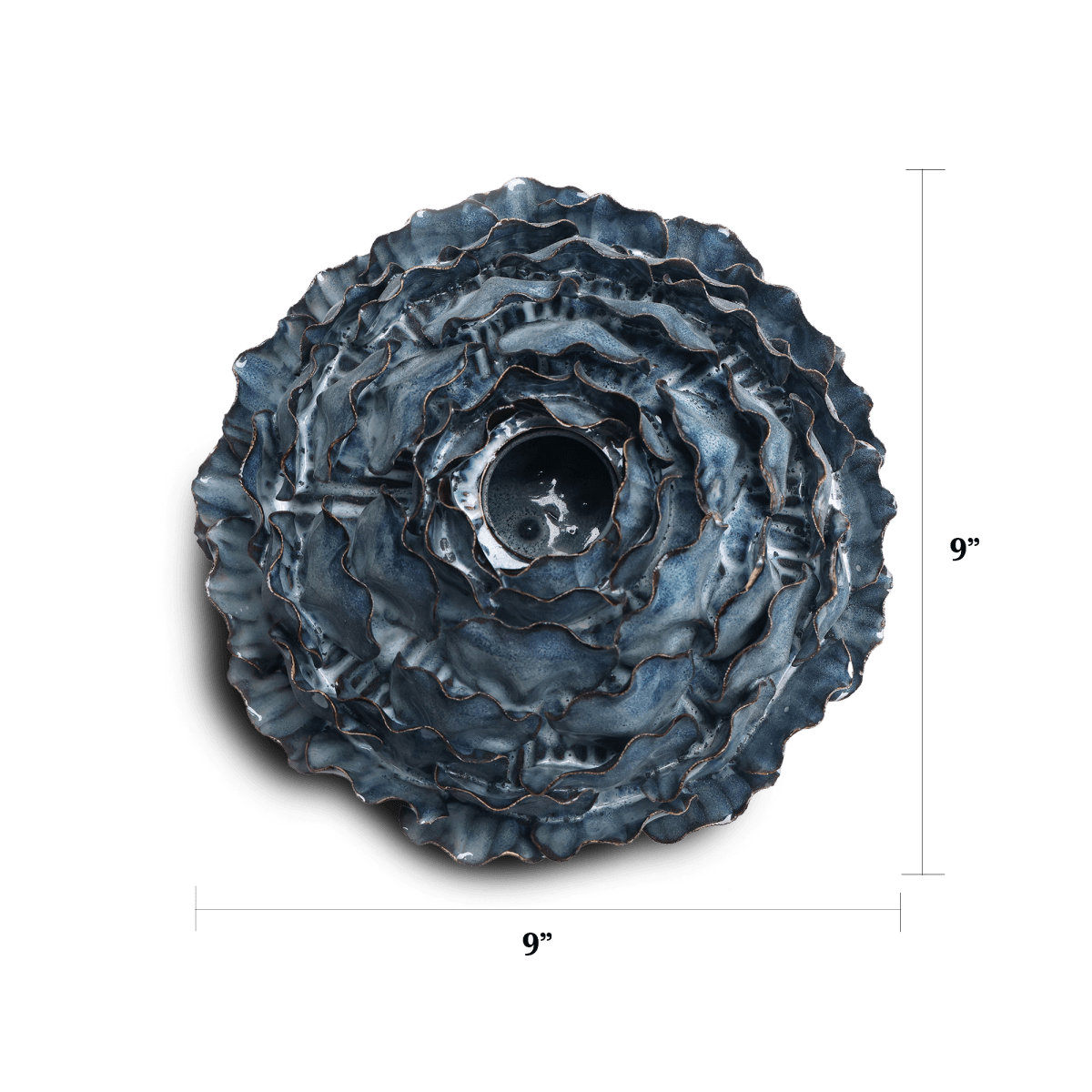
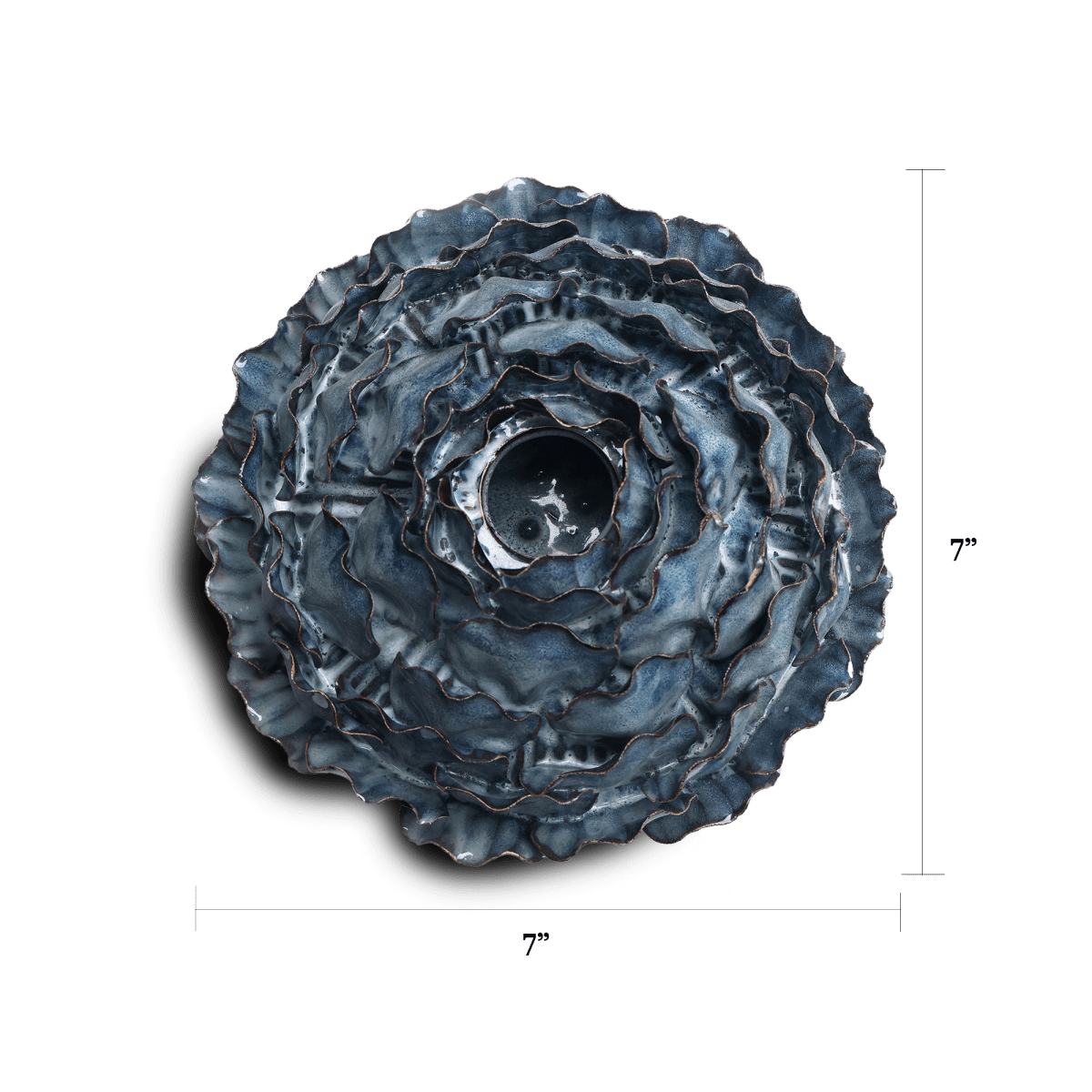
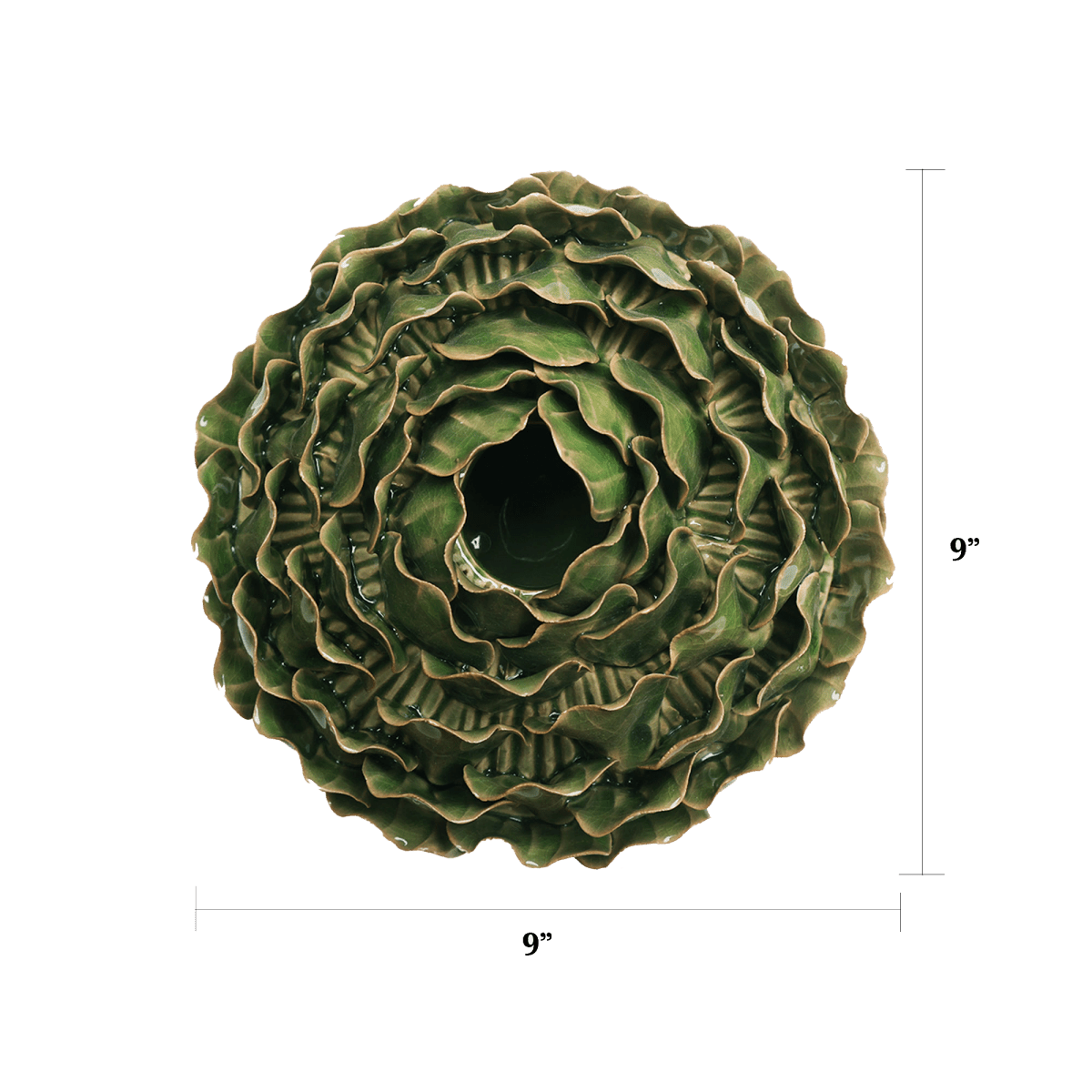
Utopia is large by width, not height: four sizes from Small (Ø18 × 8 cm) through Medium (Ø23 × 9 cm) and Large (Ø34,5 × 14,5 cm) to XL (Ø43 × 18 cm) — a wide, low petal bowl rather than a tall floor vase. The Small sits in one hand; the XL is a centrepiece. Blue, green or white; handwash only.

2004 Making ceramics since
200+ Institutions worldwide

RHS Chelsea Flower Show 2026 4-star booth award recipient
2× 5-star booth award — winner
Exhibiting since 2013

About Chive Studio

Chive Studio has designed ceramic wall flowers in Toronto since 2004; these two vases come out of the same hands and the same glaze buckets, shipping from Rotterdam with no duties within the EU. Prices include VAT. Utopia has its own page as the studio's designer vase; the glazes it shares with the flowers are on show across the ceramic wall art, and the dark ones in particular in japandi wall art. Stocking Chive? Trade accounts and Faire EU.

Learn more about Chive Studio →

Chive in the Press →